- Introduction
- Overview of Rock Drill Bit Manufacturing Process
- Step 1: Selecting High-Performance Raw Materials
- Step 2: Forging and Machining the Drill Bit Body
- Step 3: Heat Treatment Process
- Step 4: Carbide Button Manufacturing and Installation
- Step 5: Spraying and Surface Finishing
- Step 6: Quality Control Inspection Before Delivery
- Common Manufacturing Defects and Their Causes
- How Each Manufacturing Step Influences Rock Drill Bit Performance
- Why Manufacturing Capability Matters When Choosing a Supplier
- Conclusion
Introduction #
Rock drill bits are essential tools used in mining, quarrying, tunneling, and construction projects, where they are required to withstand extreme impact forces, heavy abrasion, and continuous drilling pressure. However, the performance and service life of a drill bit depend on much more than its design or appearance — the manufacturing process plays a critical role in determining its strength, wear resistance, and drilling efficiency.
A high-quality rock drill bit is manufactured through a series of carefully controlled processes, including raw material selection, precision machining, heat treatment, carbide button installation, and strict quality inspection. Every step, from choosing alloy steel grades to controlling carbide performance, directly affects drilling speed, tool durability, and overall operating costs.
In this guide, we will take an in-depth look at how rock drill bits are manufactured, explain the key production processes behind reliable drilling tools, and explore how manufacturing quality influences real-world drilling performance. Whether you are a mining contractor, equipment distributor, or drilling tool buyer, understanding the manufacturing process can help you make better decisions when selecting a reliable rock drill bit supplier.
Overview of Rock Drill Bit Manufacturing Process #
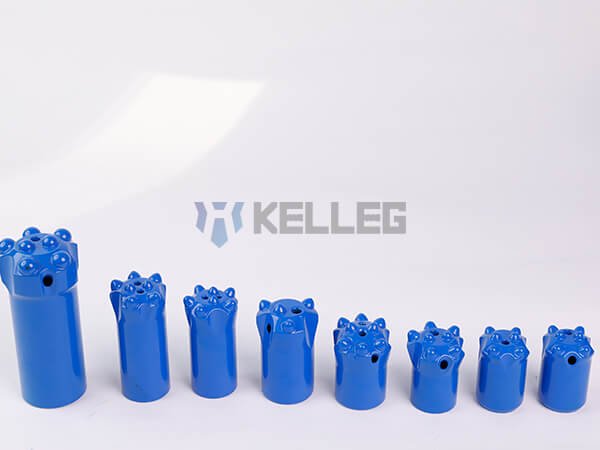
The manufacturing of a rock drill bit involves multiple precision-controlled stages, from material selection to final inspection. Unlike ordinary cutting tools, rock drill bits must withstand repeated high-impact loads, extreme abrasion, and harsh drilling environments. Therefore, each production step is designed to improve strength, durability, and drilling performance.
A professional rock drill bit manufacturing process typically includes the following key stages:
Raw Material Selection #
High-quality alloy steel and tungsten carbide are selected based on the required strength, toughness, and wear resistance. The choice of materials provides the foundation for the drill bit’s performance and service life.
Forging and Precision Machining #
The steel body is forged and machined into the required shape, including the bit profile, flushing holes, button holes, and connection threads. Accurate machining ensures stable drilling performance and proper compatibility with drilling equipment.
Heat Treatment #
Through processes such as quenching and tempering, the drill bit body achieves the optimal balance between hardness and toughness. Proper heat treatment helps prevent premature wear, cracking, and deformation during drilling operations.
Carbide Button Manufacturing and Installation #
Tungsten carbide buttons are manufactured through powder metallurgy processes and precisely installed into the drill bit body. The quality, grade, and arrangement of carbide buttons directly influence penetration rate and wear resistance.
Surface Finishing and Final Processing #
After assembly, the drill bit undergoes grinding and finishing processes to improve dimensional accuracy, surface quality, and overall consistency.
Quality Inspection and Performance Verification #
Before delivery, each drill bit is inspected for dimensions, hardness, thread accuracy, carbide installation, and appearance quality to ensure it meets performance requirements.
From raw materials to finished products, every stage of the manufacturing process affects the reliability of a rock drill bit. A well-controlled production process allows drill bits to achieve longer service life, higher drilling efficiency, and lower operating costs in demanding applications such as mining, quarrying, and tunneling.
Step 1: Selecting High-Performance Raw Materials #
The quality of a rock drill bit starts with the selection of raw materials. During drilling operations, the bit is exposed to repeated impact loads, intense friction, and continuous contact with abrasive rock formations. Therefore, manufacturers must choose materials that provide the right balance of strength, toughness, and wear resistance to ensure reliable performance and extended service life.
The two most important materials used in rock drill bit manufacturing are alloy steel for the bit body and cemented carbide for the cutting buttons. The combination of these materials determines the drill bit’s ability to withstand impact energy while maintaining efficient rock penetration.
Steel Materials Used for Rock Drill Bits #
The drill bit body must absorb high impact forces from the drilling equipment while resisting fatigue, deformation, and cracking. For this reason, manufacturers typically use high-strength alloy structural steels with excellent mechanical properties.
Key requirements for drill bit body steel include:
- High impact toughness – enables the bit body to withstand repeated hammer impacts without cracking.
- Excellent wear resistance – reduces material loss during long-term contact with abrasive rock.
- High fatigue resistance – helps prevent failure caused by repeated loading cycles.
- Good heat treatment performance – allows the steel to achieve the required hardness and toughness through controlled heat treatment.
Common Alloy Steels Used in Rock Drill Bits #
42CrMo #
42CrMo is widely used in high-performance drilling tools due to its high strength, toughness, and good hardenability. After proper heat treatment, it provides excellent resistance to impact and fatigue, making it suitable for demanding mining and construction applications.
40CrMnMo #
40CrMnMo offers a good combination of strength, toughness, and wear resistance. Its superior mechanical properties make it suitable for drill bits operating under high-impact and heavy-duty drilling conditions.
23CrNi3Mo #
23CrNi3Mo is a premium alloy steel commonly selected for applications requiring high toughness and reliability. Its excellent impact resistance helps reduce the risk of cracking during aggressive drilling operations.
The choice of steel grade directly affects the drill bit’s durability. Using high-quality alloy steel provides a stronger foundation for subsequent processes such as machining and heat treatment.
Cemented Carbide Materials for Buttons #

While the steel body provides structural strength, the carbide buttons are the components that directly contact and break the rock. Their performance has a major influence on penetration speed, wear rate, and overall drilling efficiency.
Most rock drill bit buttons are manufactured from cemented carbide, a composite material mainly consisting of:
- Tungsten carbide (WC) – provides extreme hardness and wear resistance.
- Cobalt binder – improves toughness and helps hold carbide particles together.
The performance of carbide buttons depends on several key factors:
- Hardness – determines resistance against abrasive rock wear.
- Grain size – affects the balance between strength and impact resistance.
- Wear resistance – influences how long the buttons maintain cutting performance.
- Impact toughness – prevents button breakage under high-impact drilling conditions.
Different drilling environments require different carbide grades. For example, softer formations may prioritize wear resistance, while hard and fractured rock conditions require higher impact toughness to prevent carbide failure.
Understanding the relationship between steel materials, carbide grades, and drilling conditions is essential when evaluating drill bit quality. For a deeper explanation of how materials influence drill bit lifespan, refer to our article: “Why Do Some Rock Drill Bits Last Twice as Long? The Truth About Rock Drill Bit Materials.”
Step 2: Forging and Machining the Drill Bit Body #
After selecting suitable alloy steel materials, the next stage in rock drill bit manufacturing is forming and machining the drill bit body. This process determines the basic structure, dimensional accuracy, and mechanical performance of the finished bit.
The drill bit body must be strong enough to withstand repeated impact from drilling equipment while maintaining precise geometry for efficient rock breaking and reliable connection with drilling tools. Therefore, both forging and precision machining are essential steps in producing high-performance rock drill bits.
Steel Forging #
Steel forging is the initial forming process used to transform raw alloy steel into a strong drill bit body. During forging, the steel is heated and shaped under controlled pressure, which improves the internal structure of the material.
The main purposes of steel forging include:
- Improve internal structure: Forging refines the grain structure of alloy steel, making the material more uniform and improving its overall mechanical properties.
- Increase strength and toughness: The forging process enhances the steel body’s ability to withstand high-impact loads and repeated stress during drilling operations.
- Reduce internal defects: Proper forging helps minimize issues such as porosity, uneven structure, and material weaknesses that may lead to premature failure.
A well-forged drill bit body provides a stronger foundation for subsequent processes, including heat treatment and precision machining.
CNC Precision Machining #
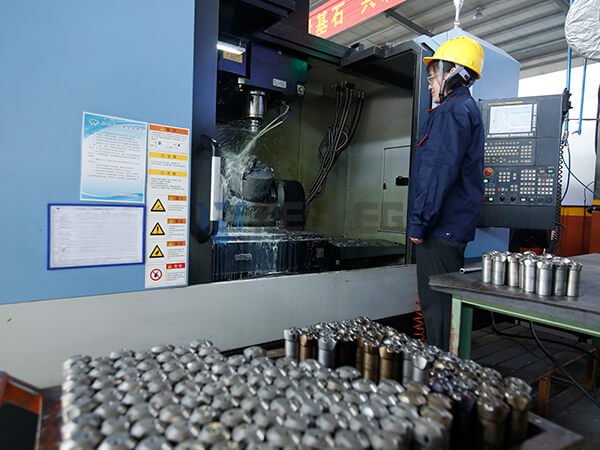
After forging, the drill bit body undergoes CNC machining to achieve the required dimensions and functional features. High-precision machining ensures that each component meets strict tolerance requirements and performs reliably in actual drilling conditions.
Key machining processes include:
Thread Machining #
The connection thread is precisely machined to ensure proper compatibility between the drill bit and drilling equipment. Accurate thread dimensions help maintain stable energy transfer, reduce connection wear, and prevent premature thread damage.
Flushing Hole Machining #
Flushing holes are designed to deliver compressed air or water to remove cuttings from the drilling area. Their size, position, and accuracy directly affect flushing efficiency and drilling performance.
Button Hole Machining #
The carbide button holes are precisely processed to ensure proper installation and secure retention of tungsten carbide inserts. Incorrect hole dimensions may cause loose buttons or reduced drilling efficiency.
Bit Profile Machining #
The external profile of the drill bit is carefully shaped according to different drilling requirements. Proper bit geometry influences rock penetration, wear distribution, and overall drilling stability.
Precision forging and CNC machining work together to create a drill bit body with the required strength, accuracy, and reliability. A well-manufactured bit body not only improves drilling performance but also provides the foundation for later processes such as heat treatment and carbide button installation.
Step 3: Heat Treatment Process #
Heat treatment is one of the most critical stages in rock drill bit manufacturing because it determines the balance between hardness, toughness, and wear resistance of the drill bit body. Even when high-quality alloy steel is selected, improper heat treatment can significantly reduce drilling performance and lead to premature failure.
During drilling operations, rock drill bits are exposed to repeated impact loads, vibration, and abrasive wear. A properly controlled heat treatment process strengthens the steel structure, allowing the bit body to withstand harsh working conditions while maintaining sufficient toughness to avoid cracking.
The main heat treatment processes used in rock drill bit manufacturing include quenching, tempering, and, in some cases, surface hardening.
Quenching #
Quenching is a heat treatment process in which the forged drill bit body is heated to a specific temperature and then rapidly cooled to increase hardness.
The main purposes of quenching include:
- Increase hardness: A harder steel structure improves resistance against abrasive wear and deformation during drilling.
- Improve wear resistance: Higher surface hardness helps the drill bit maintain its shape and performance during long-term operation.
- Enhance overall strength: Proper quenching improves the load-bearing capacity of the drill bit body under high-impact drilling conditions.
However, excessive hardness without sufficient toughness may make the material more brittle. Therefore, quenching must be carefully controlled and followed by tempering.
Tempering #
Tempering is performed after quenching to reduce brittleness and improve the toughness of the drill bit body.
The main purposes of tempering include:
- Improve toughness: Tempering allows the steel to better absorb impact energy during drilling.
- Prevent cracking: A properly tempered drill bit is less likely to develop cracks caused by repeated impact and vibration.
- Balance hardness and toughness: The process ensures that the drill bit maintains sufficient wear resistance while avoiding excessive brittleness.
For rock drill bits, achieving the right balance between hardness and toughness is essential. A bit that is too soft may wear quickly, while a bit that is too hard may fail under impact loads.
Surface Hardening (Optional) #
Some drill bits may undergo additional surface hardening treatments to improve the durability of specific areas exposed to high wear.
This process is mainly used to enhance:
- Thread durability: Harder thread surfaces help reduce wear caused by repeated connection and removal.
- Surface wear resistance: Improved surface hardness protects high-contact areas during drilling operations.
Surface hardening should be properly controlled to avoid negatively affecting the toughness of the drill bit body.
How Improper Heat Treatment Affects Drill Bit Performance #
Heat treatment quality directly influences the service life and reliability of rock drill bits. Incorrect processes or poor process control may result in:
- Premature cracking: Excessive hardness or insufficient toughness can cause cracks under repeated impact.
- Carbide button loosening: Poor material properties may reduce the stability of button installation during drilling.
- Thread damage: Improper hardness control can accelerate thread wear and connection failure.
- Reduced service life: A poorly heat-treated drill bit may experience faster wear, lower drilling efficiency, and increased replacement costs.
A professional manufacturer must carefully control heating temperature, cooling methods, and tempering parameters to ensure consistent mechanical performance. Proper heat treatment transforms quality alloy steel into a durable drill bit body capable of performing reliably in demanding applications such as mining, quarrying, and tunneling.
Step 4: Carbide Button Manufacturing and Installation #
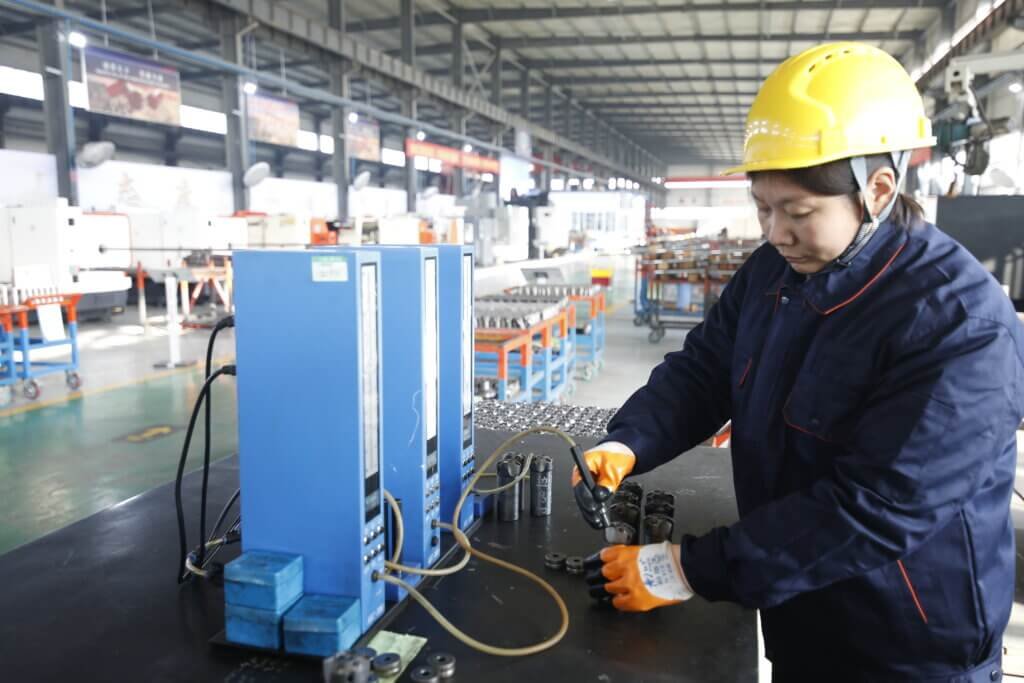
Carbide buttons are the cutting components of rock drill bits and directly contact the rock during drilling. Their quality, design, and installation accuracy have a significant impact on drilling speed, wear resistance, and overall tool life.
Although the steel body provides structural strength, the carbide buttons are responsible for breaking and crushing the rock. Therefore, manufacturers must carefully control the carbide production process and button installation to ensure reliable performance under high-impact drilling conditions.
Manufacturing Tungsten Carbide Buttons #
Tungsten carbide buttons are typically manufactured through powder metallurgy, a specialized process that combines tungsten carbide powder with a metal binder, usually cobalt. The manufacturing process determines the hardness, toughness, and wear resistance of the carbide inserts.
The main production steps include:
Powder Mixing #
During this stage, tungsten carbide powder is mixed with cobalt binder and other additives according to specific performance requirements.
The mixing process affects:
- Carbide composition consistency
- Material strength
- Wear resistance
- Impact toughness
Properly controlled powder preparation ensures uniform performance across all carbide buttons.
Pressing #
After mixing, the carbide powder is compressed into the required button shape using high-pressure molding equipment.
The pressing process determines:
- Button dimensions
- Density consistency
- Structural uniformity
Accurate forming helps ensure stable performance during the later sintering process.
Sintering #
Sintering is a high-temperature process that bonds tungsten carbide particles and cobalt binder into a dense carbide structure.
This process provides the buttons with:
- High hardness
- Excellent wear resistance
- Improved mechanical strength
The sintering parameters must be precisely controlled because they directly affect carbide quality and drilling performance.
Grinding #
After sintering, carbide buttons are precision ground to achieve the required size, shape, and surface finish.
Grinding ensures:
- Accurate dimensions
- Consistent button geometry
- Proper fit during installation
Different button shapes, such as spherical, parabolic, and ballistic designs, are selected according to rock conditions and drilling requirements.
Carbide Button Installation #
After carbide buttons are manufactured, they are installed into precisely machined holes on the drill bit body. The installation quality directly affects button stability and drilling efficiency.
The main installation processes include:
Button Hole Machining #
Before installation, button holes are accurately machined according to the size and tolerance requirements of the carbide inserts.
Proper hole dimensions ensure:
- Secure button retention
- Uniform button height
- Reduced risk of button loosening
Button Pressing #
In most modern rock drill bit manufacturing processes, carbide buttons are pressed into the drill bit body using controlled pressure.
A proper pressing process ensures:
- Strong mechanical fixation
- Reliable impact resistance
- Stable cutting performance
Incorrect installation pressure may cause loose buttons or damage to the carbide inserts.
Brazing (If Applicable) #
Some drill bit designs may use brazing to improve the connection between carbide components and the steel body.
Brazing can provide:
- Additional bonding strength
- Improved button stability
- Better resistance against harsh drilling conditions
The process must be carefully controlled to avoid affecting carbide properties.
How Carbide Button Design Affects Drilling Performance #
Carbide button performance depends not only on material quality but also on button shape, size, and arrangement on the drill bit face.
The design and layout of carbide buttons influence:
Penetration Rate #
Optimized button geometry helps transfer impact energy more effectively into the rock, improving drilling speed.
Energy Transfer #
Proper button positioning allows impact energy to be distributed efficiently, reducing energy loss during rock breaking.
Wear Pattern #
A well-designed button layout ensures more uniform wear, extending the service life of the drill bit and reducing premature replacement.
For different drilling conditions, manufacturers may select different carbide grades, button shapes, and layouts to achieve the best balance between penetration performance and durability.
Understanding carbide button manufacturing and installation is essential when evaluating rock drill bit quality, as carbide performance is one of the key factors that determines drilling efficiency and operating costs.
Step 5: Spraying and Surface Finishing #
After machining, heat treatment, and carbide button installation, the rock drill bit enters the final surface treatment stage. Spraying and surface finishing are important processes used to improve the appearance, corrosion resistance, and overall durability of the finished drill bit.
Although the internal structure and material properties determine the basic performance of a drill bit, proper surface treatment helps protect the tool during storage, transportation, and demanding drilling operations.
Surface Preparation Before Finishing #
Before spraying or applying surface coatings, the drill bit surface must be carefully prepared to ensure good coating adhesion.
Common preparation processes include:
- Cleaning: Removes oil, dust, and machining residues from the drill bit surface.
- Surface polishing or grinding: Improves surface smoothness and removes minor irregularities.
- Inspection before coating: Ensures that threads, flushing holes, and carbide buttons meet quality requirements before final finishing.
Proper surface preparation helps prevent coating peeling and improves the durability of the final finish.
Spraying Process #
Spraying is commonly used to apply a protective coating layer to the drill bit body. Depending on the application requirements, manufacturers may use different coating materials and methods.
The main purposes of spraying include:
Improve Corrosion Resistance #
During storage and transportation, drill bits may be exposed to moisture and harsh environments. A protective coating helps reduce oxidation and corrosion of the steel body.
Enhance Surface Protection #
The coating layer provides additional protection against external wear, scratches, and environmental factors during handling and operation.
Improve Product Appearance #
A uniform surface finish creates a cleaner appearance and helps manufacturers maintain consistent product quality.
Surface Finishing of Key Areas #
Different parts of a rock drill bit require specific finishing standards to ensure reliable performance.
Thread Finishing #
The thread area requires high dimensional accuracy and surface quality because it directly affects connection strength and energy transfer between the drill bit and drilling equipment.
Proper thread finishing helps:
- Reduce connection wear
- Improve drilling stability
- Extend thread service life
Flushing Hole Finishing #
Smooth and accurately positioned flushing holes improve the efficiency of compressed air or water flow, helping remove drilling debris and maintain effective rock breaking.
Carbide Button Area Finishing #
The area around carbide buttons must be properly processed to ensure secure button retention and prevent stress concentration around the inserts.
Importance of Surface Finishing in Rock Drill Bit Performance #
A well-controlled spraying and finishing process provides several benefits:
- Better corrosion protection
- Improved surface durability
- Longer storage life
- More consistent product quality
- Better overall appearance
However, surface finishing is only one part of drill bit quality. The final performance of a rock drill bit depends on the combination of material selection, machining accuracy, heat treatment, carbide quality, and manufacturing control.
A professional manufacturer ensures that surface treatment is completed according to strict quality standards, preparing the drill bit for reliable performance in mining, quarrying, tunneling, and construction applications.
Step 6: Quality Control Inspection Before Delivery #
Before rock drill bits are delivered to customers, professional manufacturers conduct strict quality inspections to verify that each product meets performance, dimensional, and safety requirements.
Quality control is not limited to checking the final appearance. It covers every critical aspect of the drill bit, including material properties, machining accuracy, carbide installation, and overall performance. A comprehensive inspection process helps identify potential defects before the drill bits are used in demanding drilling environments.
The following table shows the key inspection items commonly performed before delivery:
| Inspection Item | Inspection Purpose | Quality Impact |
|---|---|---|
| Raw Material Inspection | Verify alloy steel grade, chemical composition, and material consistency | Ensures the drill bit body has sufficient strength, toughness, and durability |
| Dimension Inspection | Check bit diameter, length, thread size, button position, and overall geometry | Ensures compatibility with drilling equipment and stable drilling performance |
| Hardness Testing | Measure surface and body hardness after heat treatment | Confirms proper balance between wear resistance and impact toughness |
| Carbide Button Inspection | Check button grade, size, shape, installation depth, and retention strength | Prevents button breakage, loosening, and premature wear |
| Thread Inspection | Verify thread accuracy, profile, and surface quality | Ensures reliable connection and efficient impact energy transfer |
| Flushing Hole Inspection | Checks hole position, size, and cleanliness | Improves flushing efficiency and removal of drilling cuttings |
| Visual Inspection | Identifies surface defects, cracks, coating issues, or machining errors | Prevents defective products from entering the market |
| Performance Testing | Evaluates drilling efficiency, wear behavior, or field performance when required | Verifies that the drill bit meets practical application requirements |
Why Quality Inspection Matters #
A rock drill bit may look similar from the outside, but differences in material quality, machining accuracy, and manufacturing control can significantly affect its service life and drilling efficiency.
Strict quality inspection helps ensure:
- More consistent drilling performance
- Lower risk of premature failure
- Longer service life
- Reduced downtime and replacement costs
For mining, quarrying, and construction projects, choosing a supplier with a complete quality control system is essential. A reliable manufacturer not only produces drill bits but also ensures that every bit delivered can perform consistently under real working conditions.
Common Manufacturing Defects and Their Causes #
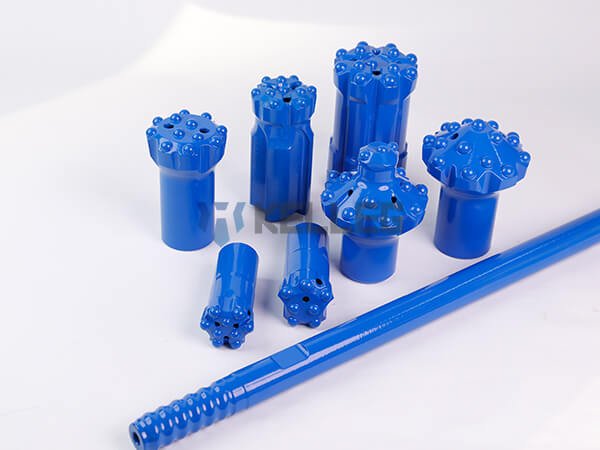
Even with advanced manufacturing equipment and production processes, manufacturing defects can still occur if material selection, machining accuracy, or process control is not properly managed. For rock drill bits, small quality issues during production can lead to serious performance problems, including reduced drilling efficiency, unexpected downtime, and shortened service life.
Understanding common manufacturing defects helps buyers evaluate supplier quality and identify the key factors that influence drill bit reliability.
Drill Bit Body Cracking #
Drill bit body cracking is one of the most serious failures because it can cause sudden tool damage during drilling operations. The drill bit body must withstand repeated high-impact forces, vibration, and stress cycles, so its material properties and manufacturing quality are critical.
Common Causes: #
Poor Steel Quality
Low-quality alloy steel may have insufficient toughness or inconsistent internal structure, making the drill bit more vulnerable to cracking under heavy impact loads.
Incorrect Heat Treatment
Improper quenching or tempering processes can create an imbalance between hardness and toughness. Excessive hardness may make the steel brittle, while insufficient hardness can reduce its ability to resist wear and deformation.
Excessive Stress
Incorrect machining, design issues, or improper drilling conditions can create stress concentration areas that accelerate crack formation.
Possible Consequences: #
- Sudden drill bit failure
- Reduced drilling efficiency
- Increased replacement costs
- Equipment downtime
Carbide Button Falling Out #
Carbide buttons are responsible for breaking the rock during drilling. If the buttons become loose or fall out, the drill bit will quickly lose its cutting ability, and drilling performance will decrease significantly.
Common Causes: #
Improper Button Installation
Incorrect installation pressure or poor installation procedures may prevent the carbide buttons from being securely fixed in the drill bit body.
Weak Carbide Bonding
Poor-quality carbide materials or insufficient bonding strength can reduce the connection between the carbide insert and steel body.
Incorrect Hole Tolerance
If the button holes are too large, too small, or inaccurately machined, the buttons may not achieve proper retention.
Possible Consequences: #
- Reduced penetration rate
- Uneven wear
- Shortened drill bit life
- Lower drilling efficiency
Fast Wear Rate #
Rapid wear is a common problem that increases drilling costs because operators need to replace drill bits more frequently. While rock conditions influence wear, manufacturing quality also plays an important role.
Common Causes: #
Low-Quality Carbide
Poor carbide grades may have insufficient hardness or wear resistance, causing buttons to wear quickly when drilling abrasive rock formations.
Wrong Material Selection
Using unsuitable steel grades or carbide specifications for specific drilling conditions can reduce overall performance.
Poor Manufacturing Control
Inconsistent machining, heat treatment, or quality inspection may result in drill bits with unstable performance and shorter service life.
Possible Consequences: #
- Frequent bit replacement
- Lower drilling productivity
- Higher operating costs
How to Avoid Manufacturing Defects #
A reliable rock drill bit manufacturer should control every stage of production, including:
- Selecting high-quality alloy steel and carbide materials
- Maintaining accurate machining tolerances
- Controlling heat treatment parameters
- Ensuring proper carbide installation
- Performing strict quality inspections before delivery
By understanding common manufacturing defects and their causes, buyers can better evaluate suppliers and select rock drill bits that provide consistent performance and longer service life.
How Each Manufacturing Step Influences Rock Drill Bit Performance #
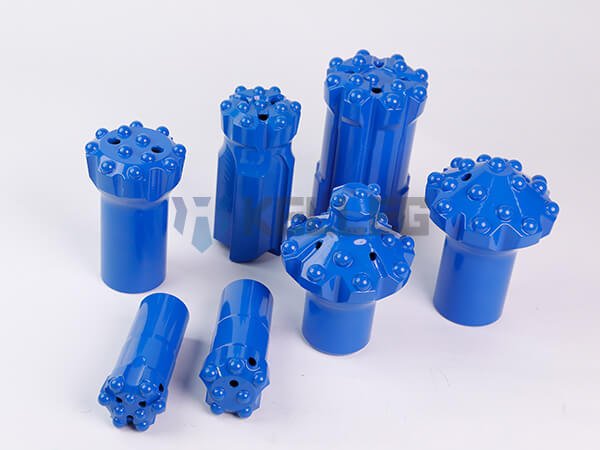
The performance of a rock drill bit is not determined by a single factor. Instead, it is the result of multiple manufacturing processes working together, including material selection, forging, machining, heat treatment, carbide button production, and final quality inspection.
A small difference in any production stage can affect drilling speed, wear resistance, impact durability, and overall service life. This is why professional rock drill bit manufacturers focus on strict process control throughout the entire manufacturing cycle rather than only the final product inspection.
The following table explains how each manufacturing step influences rock drill bit performance:
| Manufacturing Step | Key Quality Factors | Impact on Rock Drill Bit Performance |
|---|---|---|
| Raw Material Selection | Alloy steel grade, carbide quality, material consistency | Determines the basic strength, toughness, wear resistance, and ability of the drill bit to withstand harsh drilling conditions |
| Steel Forging | Forging temperature, pressure control, internal structure | Improves material density, refines grain structure, reduces internal defects, and enhances impact resistance |
| CNC Machining | Dimensional accuracy, thread precision, button hole tolerance, flushing hole design | Ensures proper equipment compatibility, stable energy transfer, efficient flushing, and consistent drilling performance |
| Heat Treatment | Hardness control, quenching and tempering process | Creates the optimal balance between hardness and toughness, helping prevent cracking, deformation, and premature wear |
| Carbide Button Manufacturing | Tungsten carbide grade, grain size, cobalt content, sintering quality | Directly affects rock penetration ability, wear resistance, impact toughness, and drilling efficiency |
| Carbide Button Installation | Button hole accuracy, installation pressure, button arrangement | Determines button retention, cutting performance, and wear distribution during drilling |
| Surface Finishing and Spraying | Coating quality, surface protection, finishing accuracy | Improves corrosion resistance, protects the drill bit surface, and enhances product consistency |
| Quality Control Inspection | Dimension testing, hardness testing, carbide inspection, performance verification | Ensures every drill bit meets required standards and provides stable performance in actual applications |
Why Manufacturing Control Matters #
A rock drill bit operates under extreme conditions, including high-impact forces, abrasive rock contact, and continuous vibration. Therefore, even minor manufacturing differences can lead to significant variations in performance.
For example:
- Poor material selection may result in reduced toughness and early cracking.
- Incorrect heat treatment may cause excessive brittleness or rapid wear.
- Improper carbide installation may lead to button loss and reduced penetration efficiency.
- Inaccurate machining may affect drilling stability and equipment compatibility.
A reliable manufacturing process ensures that every component of the drill bit works together effectively, allowing the tool to achieve higher drilling efficiency, longer service life, and lower operating costs.
For mining, quarrying, tunneling, and construction applications, choosing drill bits produced under strict manufacturing control is essential to maintaining consistent drilling performance.
Why Manufacturing Capability Matters When Choosing a Supplier #
When purchasing rock drill bits, many buyers focus primarily on product price, delivery time, and specifications. However, the supplier’s manufacturing capability is often the key factor that determines long-term product reliability, consistency, and overall drilling cost.
A professional rock drill bit manufacturer does not only assemble finished products. They control every critical stage of production, from raw material selection and precision machining to heat treatment, carbide button installation, and final quality inspection. Strong manufacturing capability ensures that each drill bit can achieve stable performance under demanding drilling conditions.
Advanced Production Equipment Ensures Consistent Quality #
Manufacturing equipment directly affects the accuracy and consistency of rock drill bits.
A reliable supplier should have professional production facilities, including:
- CNC machining equipment for precise thread processing, button hole machining, and bit profile manufacturing.
- Heat treatment equipment for controlling the hardness and toughness of the drill bit body.
- Grinding and finishing equipment for achieving accurate dimensions and surface quality.
- Inspection equipment for verifying material properties, dimensions, and finished product quality.
Advanced equipment helps reduce production variation and ensures that each batch of drill bits maintains consistent performance.
Strict Process Control Improves Product Reliability #
A high-quality drill bit requires more than good raw materials. Every manufacturing stage must be carefully controlled to prevent performance problems.
Professional manufacturers typically focus on:
- Incoming material inspection
- Manufacturing process monitoring
- Heat treatment parameter control
- Carbide button quality management
- Final product inspection before shipment
Strict process control helps reduce common issues such as premature cracking, carbide button loss, excessive wear, and inconsistent drilling performance.
Manufacturing Experience Supports Better Drilling Solutions #
Different drilling applications require different drill bit designs and material choices. A supplier with manufacturing experience can better understand the relationship between:
- Rock hardness and drill bit design
- Drilling method and bit configuration
- Equipment compatibility and thread selection
- Carbide grade and wear performance
For example, drill bits used in mining, quarrying, tunneling, and construction projects may require different designs to achieve the best balance between penetration rate and service life.
A Reliable Manufacturer Provides More Than Products #
Choosing a supplier with strong manufacturing capability means gaining a partner who can provide:
- Stable product quality
- Technical support
- Customized solutions
- Reliable production capacity
- Long-term supply security
For buyers of rock drill bits, the lowest purchase price does not always represent the lowest cost. A reliable supplier with strong manufacturing capability can help reduce downtime, improve drilling efficiency, and lower the total cost of drilling operations.
Understanding a manufacturer’s production capability is therefore an important step when selecting a long-term rock drilling tool supplier.
Conclusion #
The manufacturing process behind a rock drill bit determines much more than its appearance. From selecting high-performance alloy steel and tungsten carbide materials to precision machining, heat treatment, carbide button installation, and strict quality inspection, every step plays an important role in defining drilling efficiency, durability, and service life.
A high-quality rock drill bit is the result of careful control throughout the entire production process. Proper material selection provides strength and wear resistance, accurate machining ensures stable performance, optimized heat treatment improves impact resistance, and reliable carbide installation enhances rock penetration capability.
For mining, quarrying, tunneling, and construction applications, choosing drill bits from a manufacturer with strong production capabilities and strict quality management can help reduce unexpected failures, minimize downtime, and achieve better overall drilling performance.
Understanding how rock drill bits are manufactured allows buyers to make more informed decisions when selecting drilling tools and suppliers. A reliable manufacturer not only provides products but also delivers consistent quality, technical expertise, and long-term value for demanding drilling operations.