- Introduction
- Factor 1: Raw Material Quality and Steel Grade
- Factor 2: Carbide Button Quality and Distribution Design
- Factor 3: Manufacturing Precision and Quality Control
- Factor 4: Drill Bit Design for Different Rock Conditions
- Factor 5: Brand Experience and Technical Support
- Factor 6: Production Volume, Customization, and Supply Chain Factors
- Factor 7: Total Value Matters More Than Initial Drill Bit Price
- How to Compare Rock Drill Bit Prices Before Buying
- Conclusion
Introduction #
When purchasing rock drill bits, many buyers naturally focus on the initial purchase price. A lower-priced drill bit may appear to provide better value, especially when comparing products with the same diameter, thread connection, or basic specifications. However, the actual performance of a drill bit is determined by far more than its purchase cost.
Two rock drill bits that look almost identical can deliver completely different results in real drilling operations. Differences in material quality, carbide performance, manufacturing precision, and design optimization can significantly affect drilling efficiency and tool lifespan.
The true value of a rock drill bit should be evaluated based on several key factors, including:
- Penetration rate – how quickly the bit can break and remove rock
- Service life – how many meters the bit can drill before replacement
- Drilling stability – whether the bit maintains consistent performance under impact and vibration
- Replacement frequency – how often downtime and tool changes are required
- Cost per meter – the actual drilling cost throughout the bit’s working life
A cheaper drill bit may reduce the upfront investment, but frequent replacements, lower drilling efficiency, and unexpected downtime can increase the overall operating cost. Therefore, the cheapest drill bit is not always the most economical choice.
In this guide, we will explore the seven key factors that cause rock drill bit prices to vary and explain how these factors influence quality, durability, and total drilling performance. Understanding these differences will help buyers make more informed decisions and choose drill bits that deliver better long-term value.
Factor 1: Raw Material Quality and Steel Grade #
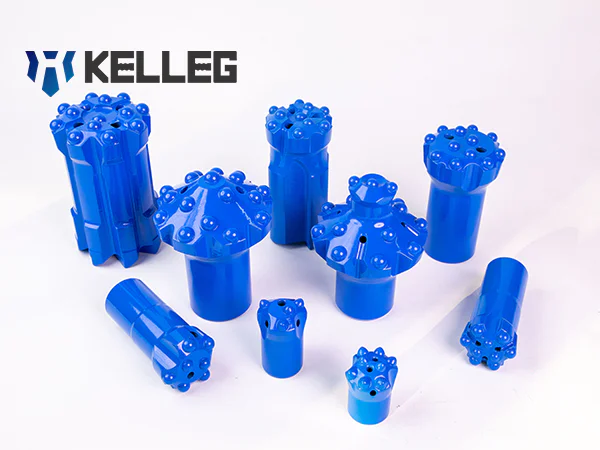
The material used to manufacture a rock drill bit is one of the most important factors influencing its price and service life. Although two drill bits may have the same size, thread type, and external appearance, the performance difference often comes from the quality and consistency of the steel used inside.
Rock drilling tools operate under extremely demanding conditions. During drilling, the bit is continuously exposed to high-impact loads, vibration, friction, and repeated stress. Therefore, the steel must have the right balance of hardness, toughness, and fatigue resistance to withstand long-term operation.
Lower-priced drill bits may reduce costs by using:
- Ordinary alloy steel with lower overall performance
- Inconsistent material properties caused by less strict material control
- Lower fatigue resistance, making the bit more vulnerable to cracking and deformation during repeated impacts
In contrast, premium rock drill bits are manufactured with:
- High-quality alloy steel designed for heavy impact applications
- Controlled chemical composition to ensure stable mechanical properties
- Better impact resistance and toughness for challenging drilling environments
The difference in material quality directly affects several critical performance factors:
- Body cracking resistance – High-quality steel helps the bit withstand repeated impact forces without premature fractures.
- Thread durability – Better material strength reduces thread wear and damage, improving connection reliability with drill rods or shanks.
- Fatigue life under repeated impact – Superior steel maintains performance over longer drilling cycles and reduces early failure risks.
A rock drill bit works under thousands of impacts per minute, meaning even small differences in material stability can create significant differences in actual drilling results. For this reason, evaluating a drill bit based only on appearance or initial price can be misleading.
Choosing a drill bit made from reliable materials may require a higher initial investment, but it often delivers longer service life, fewer replacements, and a lower overall drilling cost per meter.
Factor 2: Carbide Button Quality and Distribution Design #
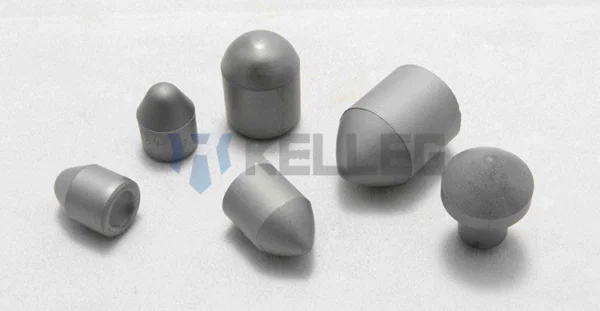
While the steel body provides the foundation of a rock drill bit, the carbide buttons are the components that directly contact and break the rock. Their quality, performance, and arrangement have a significant impact on drilling efficiency, tool life, and ultimately the overall cost of the drill bit.
Many buyers compare drill bits simply by checking whether they use tungsten carbide buttons. However, not all carbide buttons provide the same performance. Differences in carbide grade, button manufacturing quality, density, and installation accuracy can create major variations in both price and drilling results.
Carbide Quality: More Than Just Tungsten Carbide Material #
The quality of carbide buttons directly affects how well a drill bit performs under high-impact drilling conditions.
Premium carbide buttons are designed to provide:
- Higher wear resistance – allowing the buttons to maintain their cutting ability for longer periods, especially in abrasive rock formations.
- Better impact strength – enabling the buttons to withstand repeated impact forces without breaking.
- Improved chipping resistance – reducing premature damage and maintaining effective rock penetration.
Lower-cost drill bits may use carbide buttons with reduced performance characteristics, which can lead to:
- faster button wear
- frequent button damage
- reduced penetration efficiency
- shorter service life
Although the initial price may be lower, faster carbide wear can significantly increase replacement costs during actual drilling operations.
Button Arrangement: The Design Behind Drilling Efficiency #
The number and positioning of carbide buttons also influence the final performance of a drill bit. A well-designed button layout helps optimize how impact energy is transferred into the rock and how efficiently broken rock is removed.
Key design factors include:
- Button density – determines the balance between cutting ability and wear resistance.
- Button positioning – affects rock-breaking efficiency and hole accuracy.
A properly optimized button arrangement improves:
- Rock breaking efficiency – allowing more effective energy transfer into the formation.
- Flushing performance – helping remove cuttings and prevent repeated grinding.
- Drilling speed – maintaining stable penetration rates during operation.
Two drill bits may have the same diameter, and both use tungsten carbide buttons, but differences in carbide grade, button density, and brazing quality can result in completely different drilling performance.
For this reason, carbide quality and button design are important reasons why rock drill bit prices vary. A higher-priced bit often reflects better carbide performance and optimized design, which can provide longer service life and lower drilling costs over the entire operation.
Factor 3: Manufacturing Precision and Quality Control #
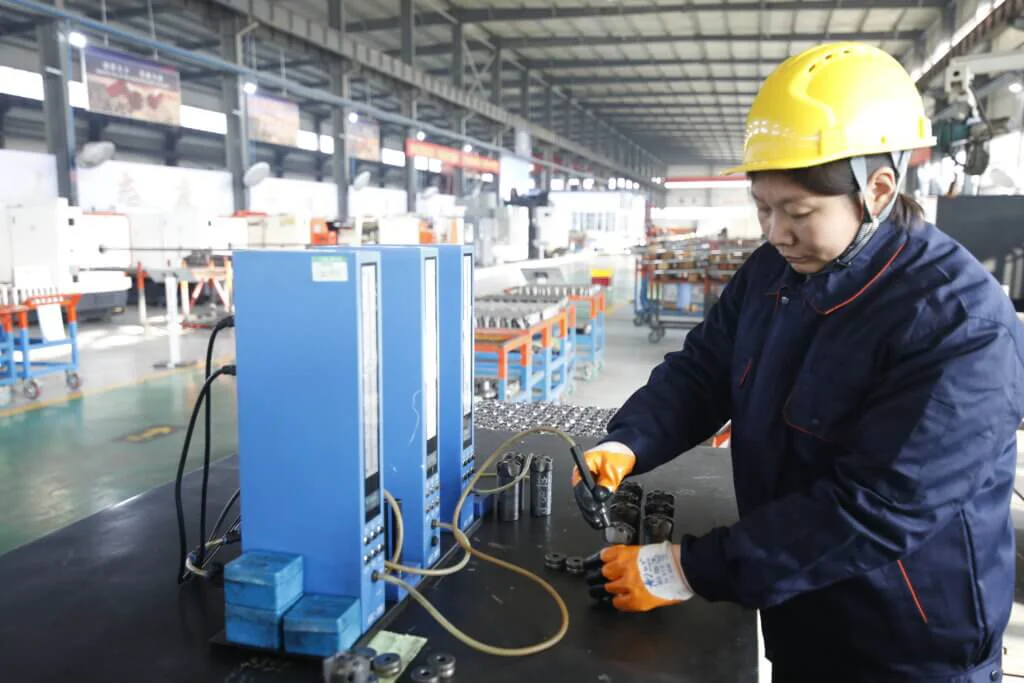
The manufacturing cost of a rock drill bit is not only determined by the raw materials used but also by the level of precision and quality control applied during production. While manufacturing processes themselves may look similar across different suppliers, the accuracy standards and inspection requirements can create significant differences in final product performance.
For rock drilling tools, even small dimensional deviations can affect how the drill bit works with drill rods or other drilling components. High-quality manufacturers invest more in precision machining, process control, and inspection to ensure consistent performance from every bit.
Key precision factors that influence drill bit quality include:
- Machining accuracy – Precise machining ensures that critical dimensions meet design requirements and helps maintain stable drilling performance.
- Thread tolerance – Accurate thread dimensions provide a secure connection between the drill bit and drilling tools, reducing loosening and premature wear.
- Button hole accuracy – Proper button hole dimensions and positioning ensure reliable carbide installation and consistent impact performance.
- Dimensional consistency – Strict control of size and geometry allows different batches of drill bits to maintain the same performance standards.
Lower-priced drill bits may reduce production costs by applying less strict manufacturing controls, which can result in:
- Poor connection between drilling components – Incorrect thread dimensions may cause fitting problems or accelerated thread damage.
- Increased vibration during drilling – Dimensional inaccuracies can affect drilling stability and energy transfer.
- Uneven wear patterns – Inconsistent geometry may cause some areas of the bit to wear faster than others.
In comparison, drill bits produced under strict quality control standards can provide:
- Better tool matching – Accurate dimensions improve compatibility with drill rods, shanks, and drilling equipment.
- Smoother drilling operation – Consistent manufacturing quality helps maintain stable impact transfer and reduces unnecessary energy loss.
Although higher manufacturing standards may increase the production cost of a rock drill bit, they also improve reliability and reduce operational problems. In demanding drilling environments, precision control is not an added expense—it is an important factor that determines service life, drilling efficiency, and total cost per meter.
Factor 4: Drill Bit Design for Different Rock Conditions #
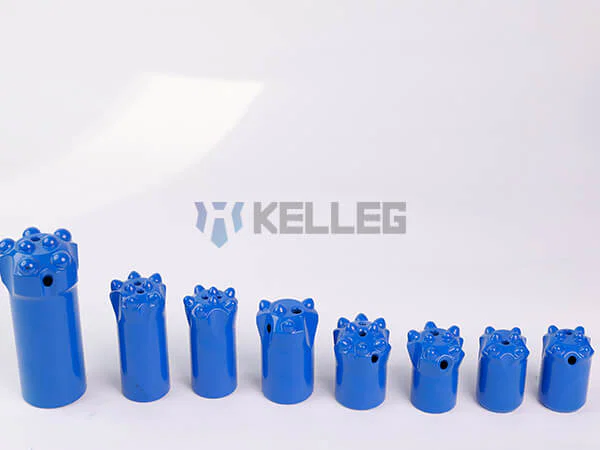
The engineering design of a rock drill bit is another important factor that influences its price. A drill bit is not simply a standard wear part with a fixed structure; its design needs to match specific drilling conditions, rock properties, and equipment requirements.
Different rock formations create different challenges. A drill bit designed for one application may not deliver the same performance in another environment. This is why professional drill bit manufacturers often develop different designs based on actual drilling conditions rather than offering a single universal solution.
Common drilling applications include:
- Hard rock drilling – Requires a design that can withstand high impact loads while maintaining effective rock-breaking performance.
- Abrasive rock drilling – Requires enhanced wear resistance to reduce premature button wear.
- Fractured formations – Requires improved stability and durability to handle uneven impact conditions and changing rock structures.
- Quarry drilling – Focuses on consistent hole quality, drilling efficiency, and long service life during continuous operations.
- Mining drilling – Requires a balance between penetration speed, durability, and reliability under demanding working conditions.
The design differences behind these applications may include:
- Face design – Different bit face structures influence rock-breaking efficiency, penetration rate, and flushing performance.
- Button configuration – The number, position, and type of carbide buttons affect cutting performance and wear distribution.
- Flushing hole layout – Optimized flushing channels help remove drill cuttings effectively and reduce regrinding during drilling.
A general-purpose drill bit and a customized drill bit may appear very similar from the outside, but their performance in specific rock conditions can be significantly different. A design optimized for the actual drilling environment can provide faster penetration, more stable operation, and longer service life.
This engineering expertise is one of the reasons why drill bit prices vary. A higher-priced bit may include additional design optimization and application knowledge that helps reduce downtime and lower the total drilling cost over its working life.
Factor 5: Brand Experience and Technical Support #
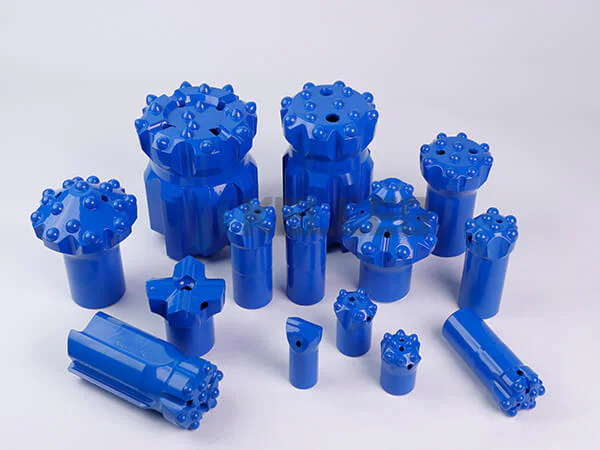
When purchasing rock drill bits, customers are not only buying a physical product. They are also investing in the supplier’s experience, technical knowledge, and ability to provide suitable drilling solutions.
A reliable supplier understands that the same drill bit may perform differently depending on factors such as rock formation, drilling equipment, operating parameters, and project requirements. Therefore, professional support before and after purchase can have a direct impact on drilling efficiency and overall operating costs.
Experienced suppliers can provide:
- Product selection guidance – Helping customers choose the right drill bit type, diameter, button design, and configuration based on drilling conditions.
- Drilling parameter recommendations – Providing suggestions on factors such as impact energy, rotation speed, air pressure, and flushing conditions to improve performance.
- Application support – Offering solutions for different working environments, including mining, quarrying, tunneling, and construction projects.
- Problem analysis – Identifying the reasons behind abnormal wear, low penetration rates, or unexpected failures and recommending improvements.
Choosing an unsuitable drill bit can create hidden costs, including:
- Excessive wear – A bit that is not matched to the rock conditions may experience faster button wear or body damage.
- Low penetration rate – Incorrect bit selection can reduce drilling efficiency and increase project time.
- Higher drilling cost – More frequent replacements, additional downtime, and reduced productivity can significantly increase the cost per meter.
This is why supplier expertise should be considered an important part of the total value of a drill bit. A low-cost supplier may only provide a product, while an experienced supplier helps customers reduce operational risks and achieve more stable drilling performance.
A reliable supplier does not simply aim to offer a cheaper drill bit—they help customers choose the right solution to improve efficiency, extend tool life, and lower long-term drilling costs.
Factor 6: Production Volume, Customization, and Supply Chain Factors #
The price of a rock drill bit is also influenced by a supplier’s production capability, manufacturing scale, and supply chain management. Beyond the product itself, the supplier’s ability to control costs, handle customization, and ensure stable delivery can directly affect the final quotation.
Production Scale: The Impact of Manufacturing Capacity #
Production volume plays an important role in determining drill bit costs. Suppliers with larger production capabilities often have advantages in:
- Raw material purchasing – Larger purchasing volumes can improve material sourcing efficiency and help maintain stable material quality.
- Manufacturing efficiency – Optimized production systems and experienced teams can reduce production costs while maintaining consistent quality.
- Quality consistency – Standardized production management helps ensure that different batches maintain similar performance.
Smaller production capacity or limited manufacturing resources may result in higher costs due to lower purchasing efficiency and less flexible production arrangements.
Custom Requirements: Why Specialized Designs Cost More #
Standard rock drill bits are usually more cost-effective because they are produced in larger quantities. However, specific drilling conditions may require customized solutions, which can increase development and production costs.
Common customization requirements include:
- Special thread types to match specific drilling equipment
- Customized button layouts for different rock formations
- Specific diameters or dimensions for unique drilling applications
- Special performance requirements for challenging environments
These customized designs often require additional engineering, tooling adjustments, testing, and quality verification, which can influence the final product price.
Supply Stability: The Value of Reliable Delivery #
A supplier’s supply chain capability also affects the overall value of a drill bit purchase. In large-scale drilling projects, product availability and delivery reliability are critical because delays can lead to equipment downtime and project interruptions.
Professional suppliers typically provide:
- Inventory availability – Maintaining sufficient stock of commonly used products to support urgent requirements.
- Delivery reliability – Having stable production and logistics systems to ensure orders arrive according to schedule.
A lower-priced drill bit may appear attractive initially, but unstable supply, long lead times, or inconsistent product availability can create additional operational costs.
Therefore, drill bit pricing is not only determined by manufacturing cost. Supplier capability, production scale, customization ability, and supply chain reliability all contribute to the final value customers receive. Choosing a supplier with strong production and service capabilities can help ensure stable drilling performance and long-term project efficiency.
Factor 7: Total Value Matters More Than Initial Drill Bit Price #
When comparing rock drill bits, many buyers naturally focus on the unit price. However, experienced drilling contractors and mining companies understand that the purchase price is only one part of the overall cost.
A lower-priced drill bit may seem attractive at first, but the real economic value depends on how it performs throughout the drilling process. Factors such as drilling efficiency, operational stability, replacement frequency, and supplier support all influence the final return on investment.
Professional buyers do not only ask:
“How much does this drill bit cost?”
They also consider:
“How much value can this drill bit deliver during actual drilling operations?”
Hidden Costs Behind a Low-Priced Drill Bit #
A cheaper drill bit may reduce the initial investment, but it can create additional operating costs if it does not match the drilling requirements.
These hidden costs may include:
- Downtime costs – Frequent tool replacement or unexpected failures can interrupt drilling operations and reduce productivity.
- Reduced drilling efficiency – Poor performance may result in slower penetration rates and longer project completion times.
- Higher management costs – More frequent purchasing, inventory planning, and tool replacement management can increase operational complexity.
For large-scale drilling projects, these indirect costs can have a greater impact on profitability than the initial price difference between two drill bits.
Cost Per Meter Is a More Meaningful Evaluation Method #
Instead of comparing only the purchase price, professional users often evaluate drill bits based on their overall drilling performance, especially the cost per meter drilled.
A practical evaluation considers:
Cost per meter = Total drill bit cost ÷ Total drilling meters achieved
This evaluation method takes into account:
- Initial drill bit investment
- Actual drilling performance
- Service interval between replacements
- Operational stability during use
A drill bit with a higher purchase price may provide better economic value if it delivers more consistent performance, longer service intervals, and fewer interruptions during drilling.
The Right Supplier Helps Reduce Total Operating Costs #
The value of a drill bit is also influenced by the supplier’s ability to provide the right solution. Even a high-quality product may not perform effectively if it is not suitable for the drilling conditions.
An experienced supplier can help customers:
- Select the appropriate drill bit design for specific rock formations
- Optimize drilling parameters
- Identify causes of abnormal wear or reduced performance
- Improve overall drilling efficiency
Proper product selection reduces unnecessary trial and error, helping customers avoid additional costs caused by unsuitable tools.
Choose Long-Term Value, Not Just the Lowest Price #
Rock drill bit purchasing is not simply a comparison of product prices. The best choice is the one that delivers reliable performance, stable drilling efficiency, and lower overall operating costs.
A low-priced drill bit may reduce the initial expense, but a well-designed and properly selected drill bit can create greater value throughout the entire drilling process.
For this reason, professional buyers evaluate total drilling value rather than purchase price alone when selecting rock drilling tools. A reliable drilling solution helps improve productivity, reduce operational risks, and achieve better long-term results.
How to Compare Rock Drill Bit Prices Before Buying #
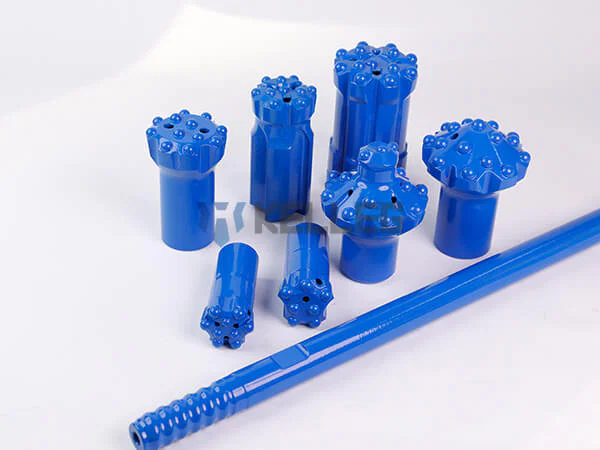
Comparing rock drill bit prices is not simply about finding the lowest quotation. A professional evaluation should consider product quality, drilling requirements, supplier capability, and long-term operating value.
Before placing an order, buyers should compare the following key factors:
Material Specification #
The material quality of a drill bit directly affects its durability and performance under high-impact drilling conditions.
Check:
- Steel grade – Confirm whether the drill bit uses suitable alloy steel with sufficient strength, toughness, and fatigue resistance for the intended application.
- Carbide quality – Evaluate the performance of tungsten carbide buttons, including wear resistance, impact strength, and resistance to chipping.
A drill bit made with reliable materials can provide more stable performance and reduce the risk of premature failure.
Application Suitability #
The right drill bit must match the actual drilling environment. A product that performs well in one application may not deliver the same results in another.
Consider:
- Rock hardness – Different rock formations require different bit designs and carbide configurations.
- Drilling method – Top hammer drilling, DTH drilling, and other drilling methods require different tool structures.
- Equipment type – The drill bit must be compatible with the drilling machine, rod, and operating parameters.
Selecting the correct drill bit for the working conditions is essential for achieving better penetration efficiency and service life.
Expected Service Life #
Price comparison should include expected performance during operation, not only the initial purchase cost.
Evaluate:
- Meters drilled – How many meters can the drill bit achieve under similar drilling conditions?
- Wear performance – How well does the bit maintain cutting ability and drilling stability over time?
A drill bit with a longer service life can reduce replacement frequency and improve overall drilling efficiency.
Supplier Capability #
The supplier’s experience and technical ability are important factors that influence the value of a drill bit purchase.
Review:
- Manufacturing experience – Does the supplier have experience producing drilling tools for different applications and markets?
- Technical support – Can the supplier provide recommendations on product selection, drilling parameters, and performance improvement?
A knowledgeable supplier can help customers avoid incorrect selections and reduce unnecessary operating costs.
After-Sales Response #
Reliable support after purchase is an important part of long-term cooperation.
Consider:
- Replacement support – How quickly can the supplier respond if product issues occur?
- Technical advice – Can the supplier help analyze wear patterns and provide improvement suggestions?
Good after-sales support helps customers maintain stable drilling operations and achieve better results from their investment.
Final Checklist Before Ordering #
Before purchasing rock drill bits, do not compare only the unit price. Make sure you evaluate:
✓ Material quality
✓ Application compatibility
✓ Expected drilling performance
✓ Supplier expertise
✓ After-sales service
A well-informed comparison helps buyers choose drill bits that provide better reliability, lower operating costs, and higher value throughout the drilling project.
Conclusion #
Rock drill bit prices are influenced by many factors that are not always visible from the outside. Differences in raw material quality, carbide performance, manufacturing precision, engineering design, production capability, and supplier expertise all contribute to the final cost of a drill bit.
A lower-priced drill bit may reduce the initial investment, but it does not always provide the best economic value. Performance during actual drilling operations—including penetration efficiency, service stability, replacement frequency, and operational reliability—has a much greater impact on the total drilling cost.
The best choice is not necessarily the cheapest drill bit, but the one that delivers the lowest cost per meter while maintaining reliable drilling performance.
By evaluating product quality, application suitability, and supplier capability before purchasing, buyers can avoid unnecessary costs and select drilling tools that provide better long-term value.
Looking for reliable rock drill bits for mining, quarrying, or construction projects? Contact our technical team for suitable drilling solutions based on your rock conditions, drilling method, and equipment requirements. We can help you select the right tools to improve drilling efficiency and reduce overall operating costs.