- Introduction
- FAQ 1: How often should I inspect my DTH drill bits?
- FAQ 2: How do I know when a DTH drill bit needs sharpening?
- FAQ 3: What tools can I use to sharpen DTH drill bits?
- FAQ 4: Can improper drilling parameters reduce bit life?
- FAQ 5: How do I select the right DTH drill bit for different rock types?
- FAQ 6: What are common causes of DTH drill bit failures?
- FAQ 7: How should DTH drill bits be stored?
- FAQ 8: When should a DTH drill bit be replaced instead of sharpened?
- Conclusion
Introduction #
Proper maintenance of DTH drill bits is essential for maximizing performance, extending service life, and reducing operational costs. This FAQ guide addresses the most common questions about inspection, sharpening, and operational best practices, helping operators and drilling teams maintain their bits efficiently.
FAQ 1: How often should I inspect my DTH drill bits? #
DTH drill bits should be inspected before and after every drilling operation. Daily inspections help identify worn or damaged carbide buttons, cracks, and blocked flushing holes early. Regular checks prevent major failures and improve drilling consistency.
FAQ 2: How do I know when a DTH drill bit needs sharpening? #
Signs a drill bit requires sharpening include:
- Flat or worn carbide buttons
- Reduced penetration rate
- Increased vibration during drilling
- Cracked or missing carbide buttons
A common rule is to sharpen buttons when the flat wear reaches approximately 25% of the original button diameter.
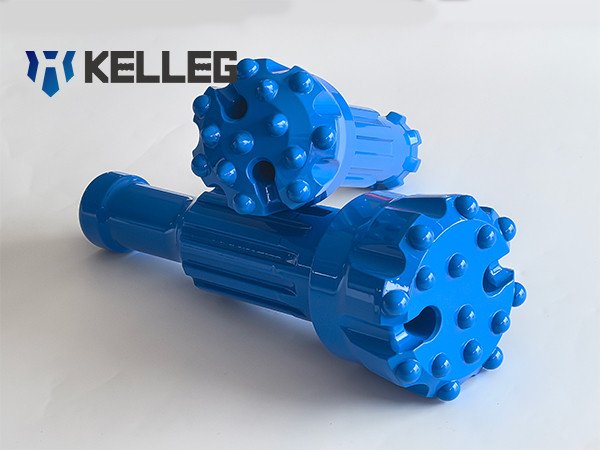
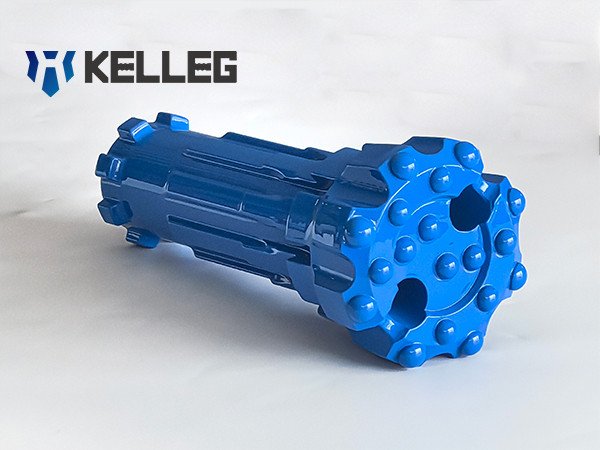
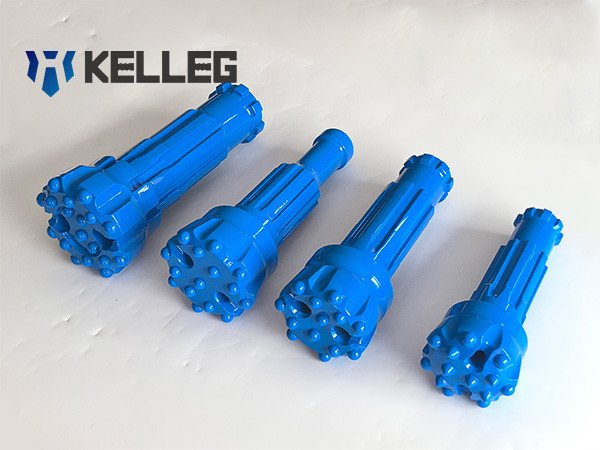
FAQ 3: What tools can I use to sharpen DTH drill bits? #
Sharpening can be performed with:
- Button bit grinding machines for precise industrial sharpening
- Hand-held pneumatic grinders for field use
- Diamond grinding cups for hard tungsten carbide buttons
Always follow manufacturer guidelines for grinding angles and avoid overheating the bit.
FAQ 4: Can improper drilling parameters reduce bit life? #
Yes. Incorrect air pressure, rotation speed, or feed force can cause:
- Excessive carbide wear
- Button breakage
- Bit body cracks
Maintaining the recommended hammer parameters is crucial for both performance and longevity.
FAQ 5: How do I select the right DTH drill bit for different rock types? #
Choosing the correct carbide button profile improves drilling efficiency and reduces wear:
- Hard rock: Spherical buttons
- Medium rock: Parabolic buttons
- Fractured or soft rock: Ballistic buttons
Using the wrong bit can accelerate wear and increase energy consumption.
FAQ 6: What are common causes of DTH drill bit failures? #
Frequent failure causes include:
- Overheating or insufficient lubrication
- Excessive downforce or poor feed pressure
- Drilling with worn or flat carbide buttons
- Blocked flushing holes or debris accumulation
Regular inspection, proper maintenance, and correct operational practices help prevent these failures.
FAQ 7: How should DTH drill bits be stored? #
Proper storage helps prevent corrosion and accidental damage:
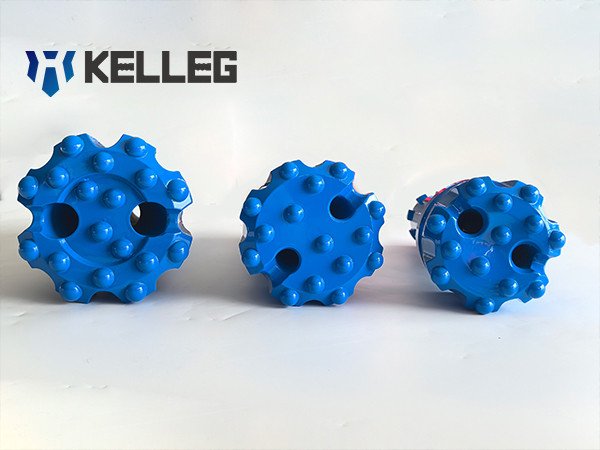
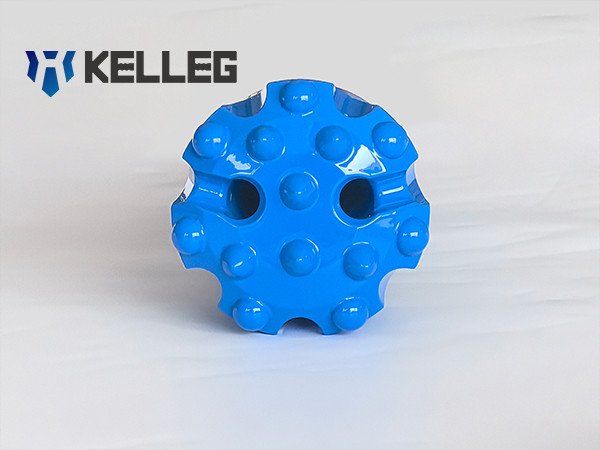
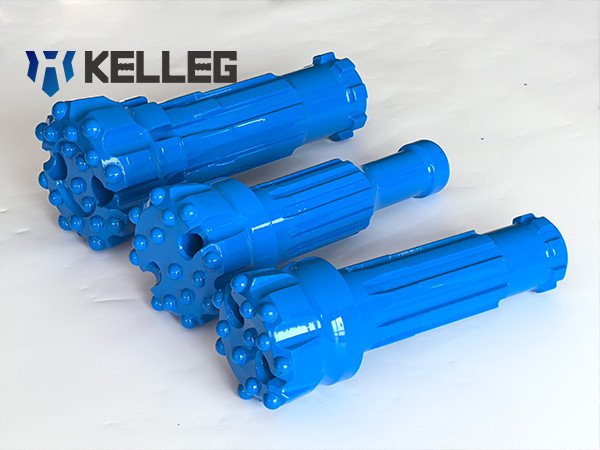
- Store in a dry, organized environment
- Keep bits separated to avoid collisions
- Label and segregate worn vs. new bits for easier maintenance management
FAQ 8: When should a DTH drill bit be replaced instead of sharpened? #
Replace the bit if you notice:
- Severely worn or missing carbide buttons
- Cracked or deformed bit body
- Oversized flats that cannot be restored through sharpening
Using a damaged bit can lead to inefficient drilling, equipment damage, and safety risks.
Conclusion #
Maintaining and sharpening DTH drill bits is essential for maximizing productivity and reducing drilling costs. By following proper inspection routines, sharpening protocols, and operational best practices, operators can extend bit life, maintain penetration efficiency, and prevent common failures.
Pro Tip: Combining high-quality DTH bits with structured maintenance routines is the most effective way to boost drilling efficiency and prolong tool lifespan.