- Introduction
- Mistake 1: Choosing Based Only on Price
- Mistake 2: Ignoring Rock Conditions
- Mistake 3: Choosing the Wrong Bit Size and Thread Type
- Mistake 4: Ignoring Rock Drill Bit Design
- Mistake 5: Ignoring Wear Inspection
- Mistake 6: Failing to Inspect Manufacturing Quality
- Mistake 7: Choosing a Supplier Instead of a Technical Partner
- Conclusion
Introduction #
Selecting the right rock drill bit is one of the most important decisions in any drilling operation, yet it is often underestimated. Many buyers focus primarily on the purchase price or basic specifications, assuming that drill bits with the same diameter will deliver similar performance. In reality, the wrong drill bit can lead to slower penetration rates, excessive wear, frequent replacements, increased equipment downtime, and significantly higher drilling costs over the life of a project.
A rock drill bit should never be selected in isolation. Its performance depends on how well it matches the rock formation, drilling method, drill rig, operating parameters, and overall drilling objectives. Even a premium-quality bit may fail to achieve the expected results if it is used under unsuitable conditions or paired with incompatible equipment.
Whether you are sourcing drill bits for mining, quarrying, tunneling, construction, or geotechnical drilling, avoiding common purchasing mistakes can improve productivity, extend tool life, and reduce the total cost per meter drilled. Experienced drilling professionals evaluate far more than the initial purchase price—they consider long-term performance, reliability, and technical support throughout the drilling process.
In this guide, we examine seven of the most common mistakes buyers make when choosing rock drill bits and provide practical recommendations to help you make informed purchasing decisions. By understanding these pitfalls, you can select drill bits that deliver better drilling efficiency, longer service life, and greater value for your operation.
Mistake 1: Choosing Based Only on Price #
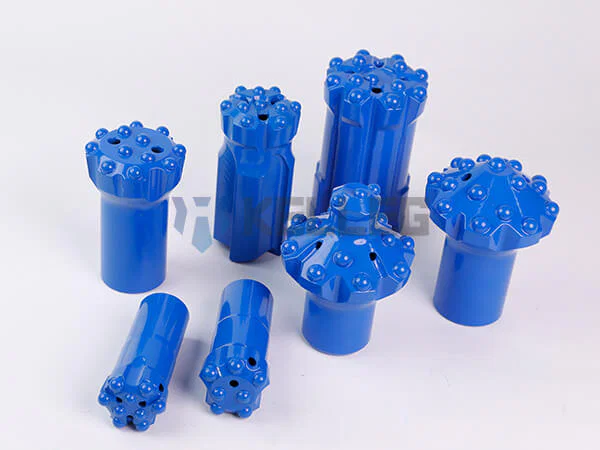
One of the most common mistakes buyers make when purchasing rock drill bits is selecting the supplier that offers the lowest quotation. While a lower purchase price may seem like an immediate cost saving, it rarely translates into the lowest drilling cost over the life of the project.
In rock drilling operations, the price of a drill bit represents only a small portion of the total drilling expense. Productivity, service life, equipment downtime, labor costs, fuel consumption, and replacement frequency all have a much greater impact on the overall cost per meter drilled. A drill bit that fails prematurely or drills inefficiently can quickly erase any savings gained from a lower purchase price.
Lower-priced drill bits often reduce manufacturing costs by compromising on material quality or production processes. Common issues include:
- Lower-grade alloy steel that wears or deforms more quickly under high-impact drilling conditions.
- Inadequate heat treatment, resulting in reduced hardness, lower fatigue resistance, or premature cracking.
- Inconsistent tungsten carbide quality, leading to faster button wear or unexpected button breakage.
- Poor brazing quality, increasing the risk of carbide button loosening or falling out during operation.
These shortcomings typically lead to:
- Shorter service life
- Slower penetration rates
- More frequent bit replacements
- Increased machine downtime
- Higher maintenance and labor costs
As a result, a drill bit that appears inexpensive at the time of purchase may ultimately become the most expensive option in terms of operating costs.
Better Practice: Evaluate Total Drilling Value #
Instead of comparing suppliers based solely on the price per bit, evaluate the overall value each product delivers. Key performance indicators include:
- Cost per meter drilled
- Expected service life
- Penetration rate
- Replacement frequency
- Total drilling cost over the project lifecycle
Experienced buyers understand that the objective is not to purchase the cheapest drill bit, but to achieve the lowest cost per meter while maintaining consistent drilling performance and reliability.
Expert Tip:
A rock drill bit that lasts twice as long and maintains a higher penetration rate can significantly reduce downtime and replacement costs. Even if its initial purchase price is higher, it often delivers a much lower total cost of ownership and better long-term value.
Mistake 2: Ignoring Rock Conditions #
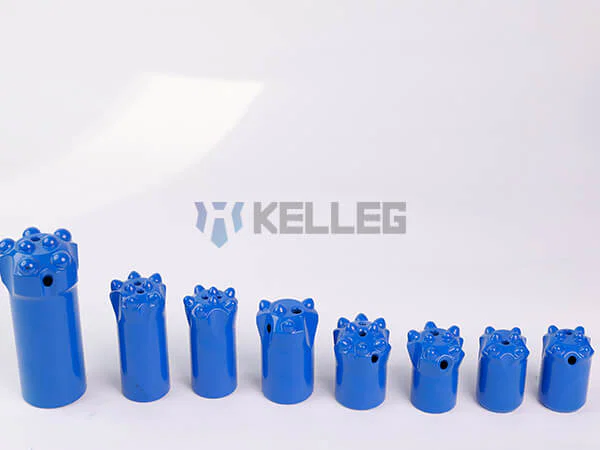
Another common purchasing mistake is choosing a rock drill bit based only on its diameter while overlooking the geological conditions it will encounter. It is not unusual for buyers to simply tell a supplier, “I need a 115 mm drill bit,” without providing any information about the rock formation. However, two drill bits of the same diameter can deliver dramatically different results depending on whether they are drilling granite, limestone, basalt, or other rock types.
Rock characteristics such as hardness, abrasiveness, compressive strength, fracture patterns, and mineral composition have a direct impact on drilling performance. Selecting a drill bit that is not designed for the specific formation can reduce penetration rates, shorten service life, and increase overall drilling costs.
To achieve the best performance, manufacturers typically optimize several design features based on the application, including:
- Button shape – Spherical buttons generally provide better durability in hard and abrasive formations, while ballistic buttons offer faster penetration in softer, less abrasive rock.
- Face design – Flat, convex, concave, or drop-center faces influence hole straightness, flushing efficiency, and drilling stability under different geological conditions.
- Carbide grade – Different tungsten carbide formulations are engineered to balance wear resistance and impact toughness according to rock hardness and drilling conditions.
Using an unsuitable bit design may lead to a variety of drilling problems, including:
- Excessive and uneven wear
- Premature carbide button breakage
- Borehole deviation
- Reduced penetration rates
- Higher energy consumption and more frequent bit replacement
Rather than selecting a drill bit based solely on size, buyers should provide suppliers with as much geological information as possible, such as the rock type, formation characteristics, drilling method, and expected hole depth. This allows the supplier to recommend a bit design that maximizes drilling efficiency and service life.
Recommended Drill Bit Design by Rock Type #
| Rock Condition | Typical Rock Examples | Recommended Bit Design |
|---|---|---|
| Soft Rock | Limestone, sandstone, shale | Ballistic buttons, aggressive face design, carbide optimized for faster penetration |
| Medium-Hard Rock | Marble, dolomite, moderately weathered granite | Combination of ballistic and spherical buttons with a balanced face design for speed and durability |
| Hard & Abrasive Rock | Granite, basalt, quartzite | Spherical buttons, wear-resistant carbide grade, flat or concave face for maximum durability and hole accuracy |
| Fractured Formations | Broken rock, jointed formations, weathered zones | Convex or drop-center face with reinforced button layout to improve stability and reduce hole deviation |
Expert Tip:
When requesting a quotation, don’t just specify the hole diameter. Share details such as the rock type, drilling method (Top Hammer or DTH), rock hardness, abrasiveness, and drilling application. The more geological information your supplier has, the more accurately they can recommend a drill bit that delivers higher productivity and a lower cost per meter drilled.
Mistake 3: Choosing the Wrong Bit Size and Thread Type #
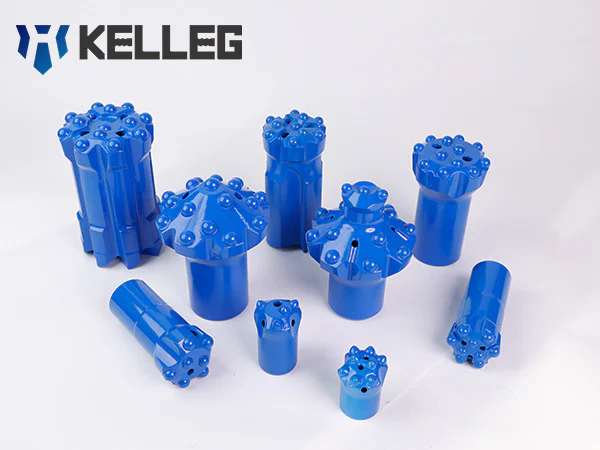
Many buyers believe that choosing a larger drill bit will automatically increase drilling efficiency. In reality, the correct bit size depends on the entire drilling system—not just the desired hole diameter.
In top hammer drilling, the drill bit must be properly matched with the drill rod, thread type, rock drill, and application requirements. Selecting the wrong diameter can reduce drilling performance, shorten tool life, and even increase the risk of hole deviation.
Bit diameter directly influences several aspects of drilling performance, including:
- Penetration rate – Larger bits require more impact energy, which may reduce drilling speed if the rock drill is undersized.
- Hole accuracy – Oversized bits are more likely to produce hole deviation, especially in deep-hole drilling.
- Flushing efficiency – Larger hole diameters require effective flushing to remove rock cuttings and maintain drilling efficiency.
- Tool stability – The bit, rod, and rock drill must work as a balanced system to transfer impact energy efficiently.
Choosing a drill bit that is too large for the drilling equipment can result in:
- Reduced penetration rates
- Increased vibration
- Faster wear of the drill bit and drill rod
- Poor hole straightness
- Lower drilling efficiency
Likewise, selecting a bit that is too small may fail to meet blasting or anchoring design requirements, requiring additional drilling or rework.
Better Practice: Match the Complete Top Hammer Drilling Tools #
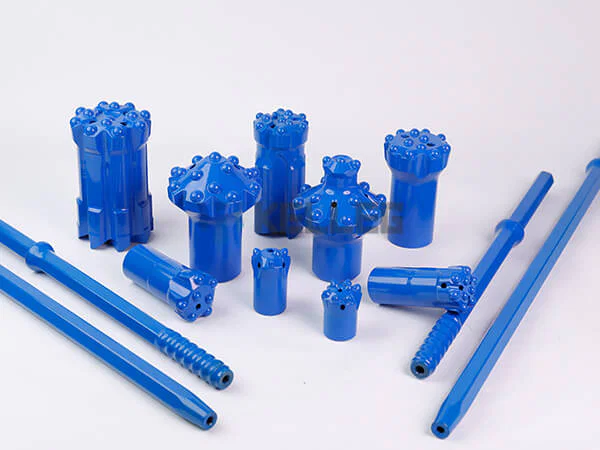
Instead of selecting a drill bit based only on diameter, evaluate the entire drilling system.
The recommended selection sequence is:
Required Hole Diameter
↓
Thread Types (R32, R38, T38, T45, T51, etc.)
↓
Drill Rod Size
↓
Rock Drill Power
↓
Suitable Button Bit Diameter
A properly matched system maximizes impact energy transfer, improves drilling accuracy, and extends the service life of both the drill bit and the drilling equipment.
Top Hammer Bit Size Selection Guide #
| Selection Factor | Why It Matters |
|---|---|
| Required Hole Diameter | Determines the appropriate bit diameter for blasting, tunneling, or anchoring applications. |
| Thread Type | The bit must match the drill rod thread, such as R32, R38, T38, T45, or T51. |
| Drill Rod Size | Ensures efficient energy transfer and structural stability during drilling. |
| Rock Drill Capacity | The impact energy of the rock drill should be sufficient to drive the selected bit efficiently. |
| Rock Conditions | Hard or abrasive formations may require a different diameter or button configuration for optimal performance. |
| Hole Depth | Deep-hole drilling demands greater stability and better resistance to hole deviation. |
Expert Tip:
When choosing a top hammer drill bit, start with the required hole diameter, then verify compatibility with the thread type, drill rod, and rock drill. A correctly matched drilling system delivers faster penetration, better hole quality, and a lower cost per meter than simply selecting the largest available drill bit.
Mistake 4: Ignoring Rock Drill Bit Design #
Many buyers pay close attention to the drill bit diameter but overlook one of the most important performance factors—rock drill bit design.
Even when two top hammer drill bits have the same diameter and thread type, differences in button shape, face design, flushing holes, and skirt body design can significantly affect drilling speed, hole accuracy, and service life.
Choosing the wrong bit design for the application may reduce productivity and increase operating costs, even if the bit is manufactured from high-quality materials.
Key Design Features That Matter #
Button Shape #
The carbide button profile influences both penetration rate and wear resistance.
- Ballistic buttons provide faster penetration in soft to medium-hard rock but are more susceptible to wear in abrasive formations.
- Spherical buttons offer greater durability and are better suited for hard and abrasive rock where impact resistance is critical.
Face Design #
Different face profiles are designed for different drilling conditions.
- Flat Face – Excellent for hard, abrasive, and fractured rock while maintaining hole straightness.
- Drop Center Face – Improves hole centering and is commonly used for general-purpose drilling.
- Convex Face – Delivers faster penetration in softer formations but is less suitable for highly abrasive rock.
Flushing Hole Design #
An efficient flushing hole removes cuttings from the bottom of the hole and helps prevent regrinding.
An optimized flushing hole can:
- Improve penetration rates
- Reduce bit overheating
- Extend carbide button service life
- Maintain consistent drilling performance
Skirt Body Design #
The skirt body supports the drill bit during drilling and influences stability.
Different applications may require:
- Standard button bits
- Retrac button bits for broken or fractured ground
- Reaming bits for enlarging pilot holes
Selecting the appropriate design improves drilling efficiency and reduces unnecessary wear.
Better Practice: Select the Right Design for the Job #
Before purchasing a top hammer drill bit, consider more than just diameter.
Ask yourself:
- What is the rock hardness?
- Is the formation abrasive or fractured?
- Is high penetration speed or long service life the priority?
- Is this production drilling, drifting, tunneling, or bench drilling?
Matching the drill bit design to the drilling application will often have a greater impact on productivity than simply choosing a premium material or a larger diameter.
Design Selection Guide #
| Drilling Condition | Recommended Design |
|---|---|
| Soft to medium-hard rock | Ballistic buttons with a convex face |
| Hard and abrasive rock | Spherical buttons with a flat face |
| Fractured formations | Retrac button bit |
| Hole enlargement | Reaming button bit |
Expert Tip:
A well-designed drill bit does more than drill a hole—it optimizes energy transfer, improves flushing efficiency, and extends tool life. Choosing the correct button configuration and face design for the rock conditions often delivers greater productivity gains than changing the drill bit material alone.
Mistake 5: Ignoring Wear Inspection #
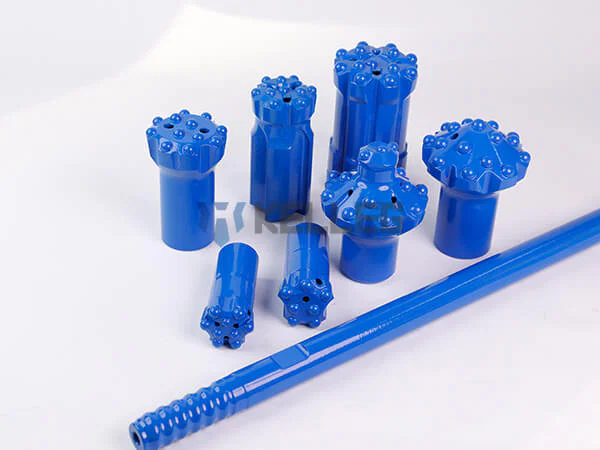
Many buyers focus only on selecting the right rock drill bit before purchase but overlook an equally important factor: monitoring drill bit wear during operation.
A top hammer drill bit is a consumable tool, and its performance changes continuously as the carbide buttons and bit body wear. Without regular inspection, operators may continue using a worn bit, resulting in reduced drilling efficiency, higher energy consumption, and unnecessary damage to other drilling components.
Some buyers replace drill bits only when they are completely worn out or when drilling performance drops significantly. However, waiting too long can increase the total drilling cost because a worn bit does not simply reduce its own performance—it can also affect the entire drilling system.
Common Signs of Excessive Drill Bit Wear #
Regular inspection can help identify problems before they impact productivity. Typical wear conditions include:
Worn or Flattened Carbide Buttons #
Carbide buttons gradually lose their cutting ability as the contact surface becomes larger.
Effects include:
- Reduced penetration rate
- Increased drilling time
- Higher impact energy consumption
- More pressure on the rock drill
When buttons become excessively flat, the bit may no longer fracture rock efficiently.
Broken or Missing Carbide Buttons #
Carbide button damage is often caused by:
- Incorrect bit selection for rock conditions
- Excessive impact force
- Poor drilling parameters
- Insufficient carbide button toughness
Operating with missing carbide buttons can lead to uneven wear and may damage the bit face.
Uneven Wear Patterns #
Uneven wear can indicate problems such as:
- Incorrect rotation speed
- Poor flushing conditions
- Misalignment between drill bit and drill rod
- Unsuitable button configuration
Identifying the wear pattern helps determine whether the issue is related to the bit design, drilling parameters, or operating conditions.
Damaged Threads or Bit Body #
For threaded button bits, the thread connection is critical for efficient energy transfer.
Damage to the thread or bit body may result from:
- Improper tightening
- Excessive torque
- Misalignment during drilling
- Using incompatible drilling components
Better Practice: Inspect and Replace Before Performance Drops #
A professional drilling operation should establish a regular inspection routine instead of replacing bits only after failure.
Recommended inspection points include:
| Inspection Item | What to Check |
|---|---|
| Carbide buttons | Wear level, cracks, missing buttons |
| Bit face | Uneven wear, damage, flushing hole condition |
| Bit body | Cracks, deformation, excessive wear |
| Thread connection | Damage, deformation, poor fit |
| Drilling performance | Changes in penetration speed and vibration |
By tracking these conditions, operators can determine the optimal replacement time and avoid unnecessary downtime.
How Wear Inspection Helps Reduce Drilling Costs #
Regular wear monitoring helps companies:
- Maximize drill bit service life
- Maintain stable penetration rates
- Reduce unexpected downtime
- Prevent damage to drill rods and rock drills
- Improve cost per meter drilled
Instead of asking:
“How long can this drill bit last?”
Experienced buyers and drilling contractors ask:
“How can we achieve the lowest cost per meter while maintaining consistent drilling performance?”
Expert Tip:
The best time to replace a top hammer drill bit is usually before complete failure, not after it stops working. A worn but usable bit may appear to save money, but reduced penetration and increased operating costs often make it more expensive in the long run.
Mistake 6: Failing to Inspect Manufacturing Quality #
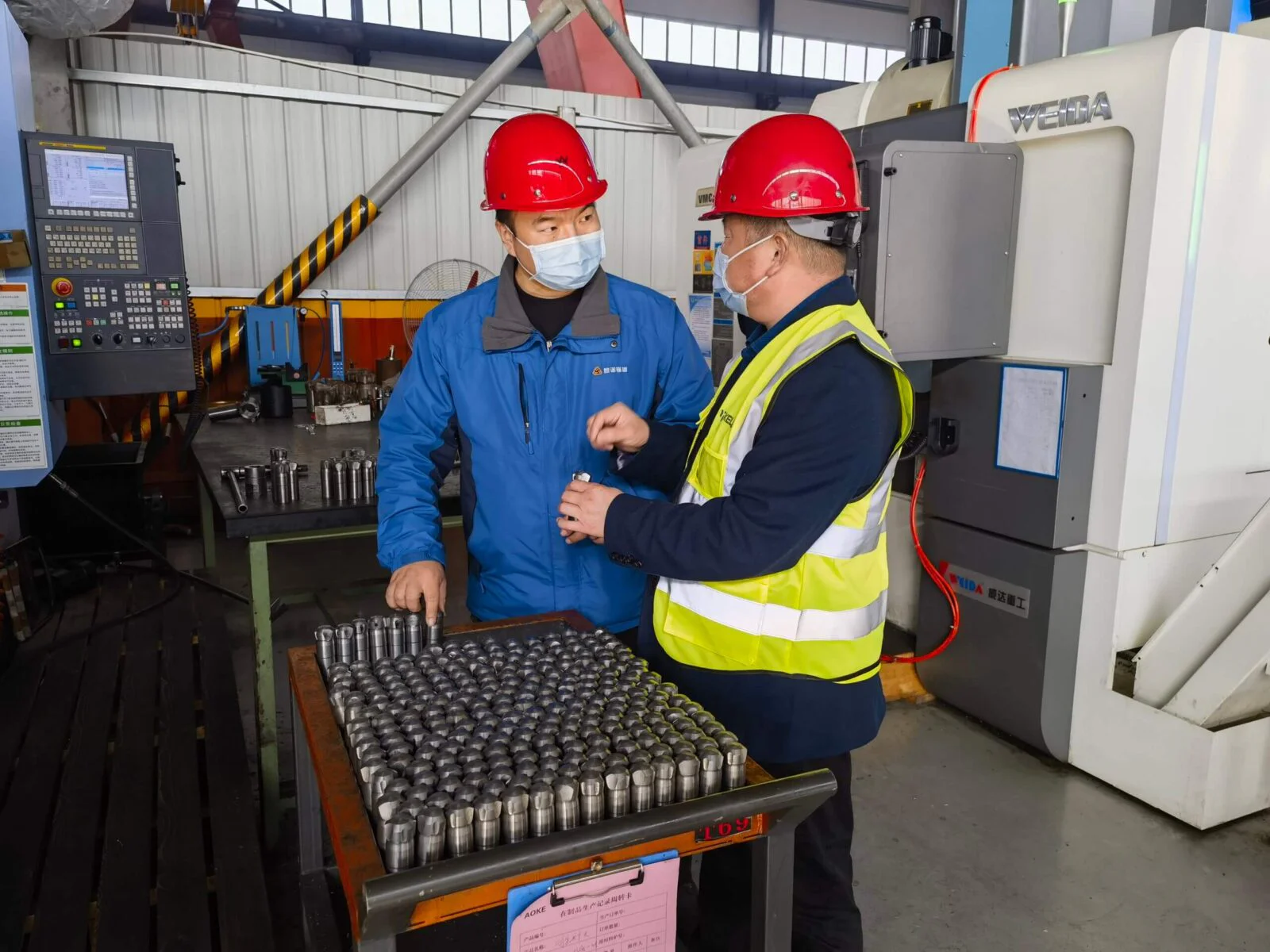
Many buyers evaluate rock drill bits based only on appearance, specifications, and price, but overlook the importance of manufacturing quality and quality control processes.
For top hammer drill bits, performance is not determined only by the design. The quality of raw materials, heat treatment, carbide selection, brazing process, and manufacturing precision all directly influence drilling efficiency, wear resistance, and service life.
Two drill bits with the same diameter, thread type, and button configuration can have completely different performance levels due to differences in manufacturing processes.
A reliable supplier should be able to demonstrate consistent quality through controlled production processes and inspection standards.
Key Manufacturing Factors That Affect Rock Drill Bit Performance #
Steel Material Quality #
The drill bit body is exposed to repeated high-impact loads during top hammer drilling. Poor-quality steel may result in:
- Early cracking
- Reduced fatigue resistance
- Thread damage
- Faster body wear
High-quality drill bit manufacturers select suitable alloy steels with good combinations of:
- Strength
- Toughness
- Wear resistance
- Fatigue performance
Heat Treatment Process #
Heat treatment plays a critical role in balancing hardness and toughness.
An improper heat treatment process may cause:
- Excessive hardness → increased risk of cracking or brittle failure
- Insufficient hardness → faster wear and deformation
For top hammer drill bits, the ideal material properties should allow the bit body to withstand repeated impact while maintaining wear resistance during drilling.
Carbide Button Quality and Brazing #
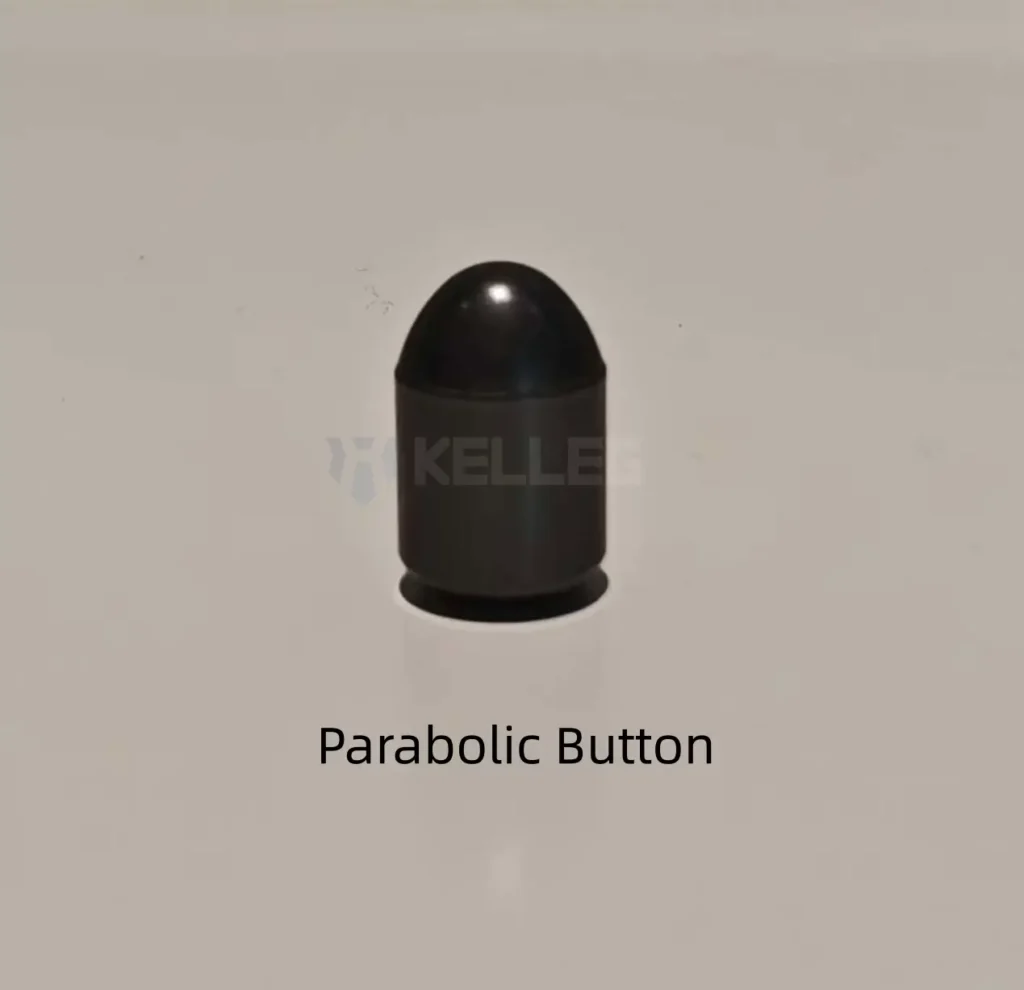
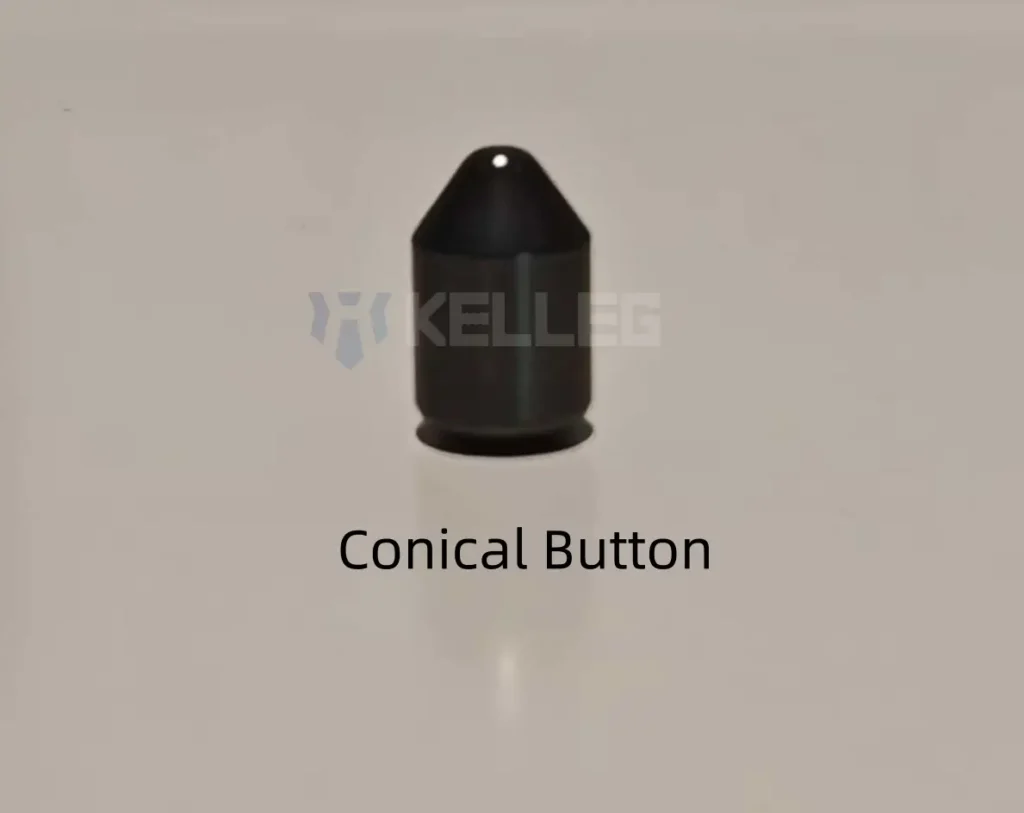
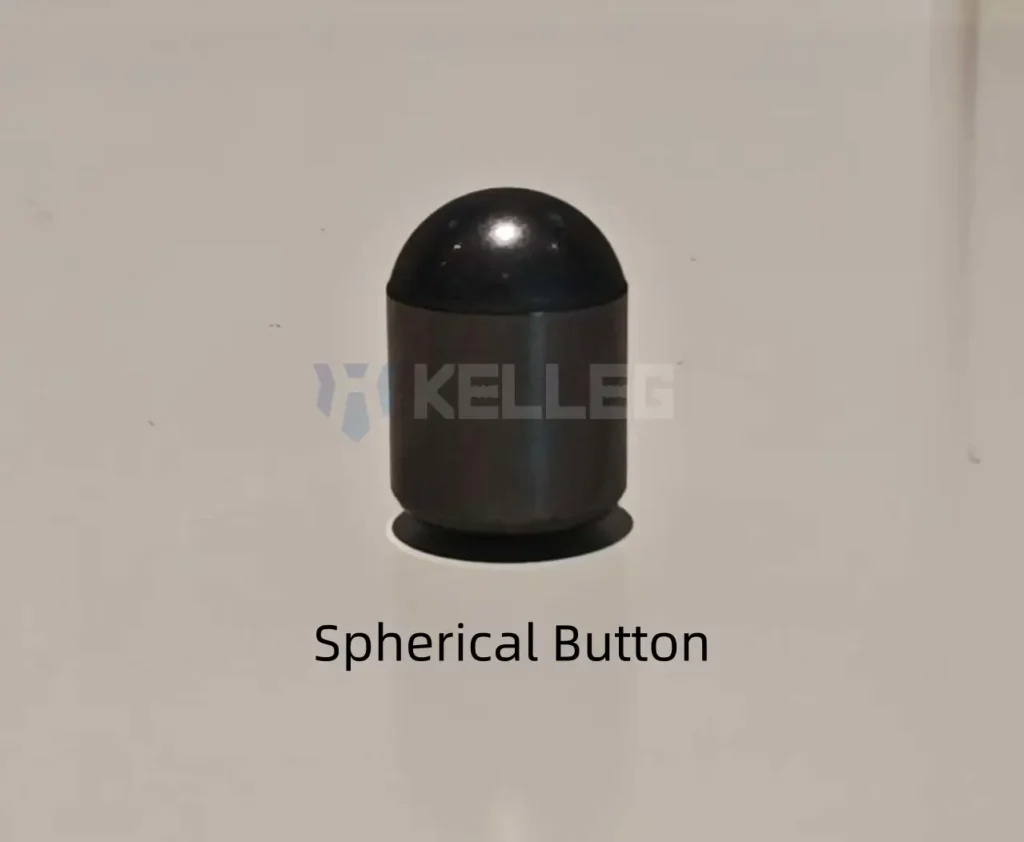
The carbide buttons are the direct contact points between the drill bit and the rock. Their quality has a major influence on penetration and service life.
Important factors include:
- Carbide grade selection
- Button hardness and toughness balance
- Button size consistency
- Button positioning accuracy
- Brazing strength
Poor brazing quality may lead to:
- Loose buttons
- Missing buttons
- Reduced drilling efficiency
- Premature bit failure
Machining Accuracy and Thread Quality #
For threaded top hammer drill bits, precision manufacturing is essential.
The thread connection affects:
- Impact energy transfer
- Connection stability
- Service life of both drill bits and drill rods
Manufacturing defects such as inaccurate thread dimensions or poor surface finishing may cause:
- Loose connections
- Excessive vibration
- Premature thread wear
- Reduced drilling performance
Better Practice: Evaluate Quality Before Purchasing #
Before placing an order, buyers should not only ask about price and delivery time but also understand the supplier’s quality control system.
A professional inspection checklist may include:
| Quality Check Item | Why It Matters |
|---|---|
| Raw material certification | Ensures consistent steel performance |
| Heat treatment records | Confirms hardness and toughness control |
| Carbide button inspection | Ensures wear resistance and reliability |
| Brazing quality inspection | Prevents button loss during drilling |
| Thread inspection | Ensures proper connection and energy transfer |
| Dimensional inspection | Guarantees compatibility and drilling accuracy |
| Performance testing | Verifies actual drilling performance |
Questions Buyers Should Ask Suppliers #
Before selecting a rock drill bit supplier, consider asking:
- What steel grade is used for the drill bit body?
- How do you control heat treatment quality?
- What carbide grade do you use for different rock conditions?
- How do you inspect brazing strength?
- Do you conduct dimensional and performance testing?
- Can you provide quality inspection reports?
A supplier that can clearly explain its manufacturing process is usually more capable of delivering consistent drilling performance.
Expert Tip:
A high-quality top hammer drill bit is not created by a single factor—it is the result of optimized material selection, precision manufacturing, and strict quality control. Before comparing prices, compare the manufacturing standards behind the product.
Mistake 7: Choosing a Supplier Instead of a Technical Partner #
Many buyers consider purchasing rock drill bits as a simple transaction: compare prices, select a supplier, and place an order. However, for top hammer drilling operations, choosing the right supplier is not only about obtaining products—it is about finding a technical partner who can help improve drilling performance and reduce long-term operating costs.
A supplier that only provides standard drill bits based on a product catalog may not fully understand the challenges faced on the drilling site. In contrast, an experienced technical partner can analyze drilling conditions, recommend suitable tooling solutions, and help customers solve performance issues throughout the project.
The difference becomes especially important when drilling conditions are complex, such as:
- Highly abrasive rock formations
- Hard and fractured rock
- Deep-hole drilling applications
- Changing geological conditions
- Projects requiring consistent drilling efficiency
Why Product Supply Alone Is Not Enough #
A drill bit that performs well in one project may not deliver the same results in another location. Drilling performance depends on multiple factors, including:
- Rock hardness and abrasiveness
- Drilling method and application
- Rock drill model
- Drill rod and thread type
- Operating parameters
- Required hole accuracy
Without technical support, buyers may choose a drill bit that is unsuitable for their actual conditions, leading to:
- Shorter service life
- Lower penetration rates
- Increased downtime
- Higher cost per meter drilled
What a Reliable Technical Partner Should Provide #
A professional rock drill bit manufacturer should offer more than just products. Important capabilities include:
Application-Based Recommendations #
A technical partner should be able to recommend suitable solutions based on:
- Rock conditions
- Drilling application
- Equipment configuration
- Performance objectives
For example, selecting between:
- Button bit designs
- Different carbide grades
- Face designs
- Retrac button bits
- Reaming bits
should be based on actual drilling requirements rather than a standard product list.
Problem Analysis and Optimization #
When drilling performance does not meet expectations, a technical partner should help identify the real cause.
Common issues may include:
- Rapid button wear
- Button breakage
- Low penetration rate
- Excessive vibration
- Hole deviation
The solution may involve adjusting:
- Bit design
- Drilling parameters
- Tool combination
- Operating practices
rather than simply replacing the drill bit.
Consistent Quality and Long-Term Support #
For mining, quarrying, tunneling, and construction projects, consistent supply is critical.
A reliable partner should provide:
- Stable product quality
- Technical communication
- Quality feedback analysis
- Customized recommendations
- Continuous improvement support
Long-term cooperation allows suppliers to better understand site conditions and provide more accurate tooling solutions over time.
Better Practice: Evaluate Suppliers Beyond Price #
Before choosing a rock drill bit supplier, buyers should evaluate:
| Evaluation Factor | Why It Matters |
|---|---|
| Manufacturing experience | Indicates technical knowledge and production capability |
| Product range | Shows ability to provide suitable solutions for different applications |
| Quality control system | Ensures consistent performance between batches |
| Technical support | Helps solve drilling problems and optimize tool selection |
| Customization capability | Allows solutions for specific rock conditions |
| Customer experience | Demonstrates real-world application knowledge |
Questions to Ask Before Selecting a Supplier #
Before placing an order, consider asking:
- Can you recommend a suitable bit design based on my rock conditions?
- Do you have experience with similar drilling applications?
- Can you analyze drill bit wear after field use?
- Can you provide customized solutions if standard products do not perform well?
- How do you ensure consistent product quality?
A supplier who understands your drilling challenges can often create more value than one who simply offers the lowest price.
Expert Tip:
The best rock drill bit supplier is not always the one offering the lowest quotation. A true technical partner helps you select the right tooling, optimize drilling performance, and achieve a lower total cost per meter throughout the project lifecycle.
Conclusion #
Choosing the right top hammer drill bit is not simply a matter of selecting the lowest-priced product or the most common specification. A successful drilling operation depends on whether the drill bit is properly matched with the rock conditions, drilling system, bit design, manufacturing quality, and application requirements.
The most common purchasing mistakes—such as focusing only on price, ignoring geological conditions, selecting the wrong bit size or thread type, overlooking bit design, failing to monitor wear, neglecting manufacturing quality, and choosing a supplier without technical support—can all lead to reduced drilling efficiency, shorter tool life, and higher overall operating costs.
Experienced drilling contractors and mining professionals understand that the true value of a drill bit is measured by performance throughout its service life, not just by the initial purchase price. A high-quality top hammer drill bit should deliver:
- Consistent penetration performance
- Reliable wear resistance
- Stable drilling accuracy
- Reduced downtime
- Lower cost per meter drilled
Before making a purchasing decision, buyers should evaluate the complete drilling solution rather than the drill bit alone. Working with a knowledgeable manufacturer or technical partner can help ensure the selected drill bits are optimized for specific rock formations, equipment configurations, and project goals.
By avoiding these seven common mistakes, companies can make more informed purchasing decisions, improve drilling productivity, and maximize the return on their investment in rock drilling tools.
The right drill bit is not always the cheapest option—it is the one that delivers the best performance, reliability, and total value over the entire drilling process.