- Introduction
- Why is my DTH hammer losing impact power?
- What causes slow drilling or a low penetration rate?
- Why does my DTH hammer stop working in the hole?
- What are the signs of excessive internal wear?
- Why is my hammer vibrating or making an unusual noise?
- What causes poor cutting removal in DTH drilling?
- Why do DTH hammer components fail prematurely?
- How can I prevent thread damage or connection failure?
- What should I check before disassembling a DTH hammer?
- When should I repair vs replace a DTH hammer?
- How can I extend the service life of a DTH hammer?
- Conclusion

Introduction #
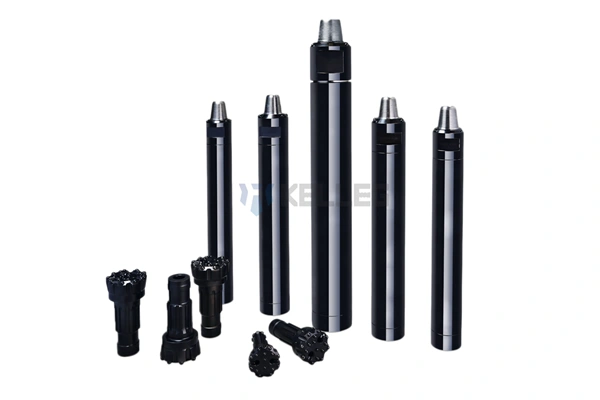
DTH (Down-the-Hole) hammers are built for demanding drilling conditions, but even the most reliable tools can experience performance issues over time. Problems such as slow penetration, unstable operation, or unexpected shutdowns can quickly disrupt productivity and increase operating costs.
For drilling contractors and engineers, the key challenge is not just fixing failures—but identifying them quickly and preventing them from happening again. This FAQ guide summarizes the most frequently asked questions about DTH hammer troubleshooting, offering clear explanations and practical solutions based on real-world drilling scenarios.
Whether you are dealing with performance loss, internal wear, or operational instability, this guide will help you diagnose problems faster and keep your drilling operations running smoothly.
Why is my DTH hammer losing impact power? #
Loss of impact energy is usually related to low air pressure, internal wear, or poor lubrication. Check compressor output first, then inspect the piston, valve system, and lubrication flow. Insufficient oil supply can quickly reduce hammer efficiency.
What causes slow drilling or a low penetration rate? #
Low penetration is commonly caused by a combination of factors, including worn drill bits, incorrect feed force, low air pressure, or improper rotation speed. Internal contamination or excessive water injection can also reduce impact performance.
Why does my DTH hammer stop working in the hole? #
If the hammer stops operating, possible reasons include blocked air passages, damaged internal components, insufficient airflow, or a stuck piston. A quick inspection of airflow and internal cleanliness is essential.
What are the signs of excessive internal wear? #
Typical signs include:
- Weak or inconsistent impact sound
- Increased air consumption
- Reduced drilling efficiency
These usually indicate wear in components such as the piston, wear sleeve, or valve system.
Why is my hammer vibrating or making an unusual noise? #
Abnormal vibration or noise often results from imbalanced drilling parameters, worn drill bits, or insufficient feed force. High rotation speed combined with low feed pressure can also cause instability.
What causes poor cutting removal in DTH drilling? #
Poor hole cleaning is typically linked to low air velocity, blocked flushing holes, or air loss in fractured formations. If cuttings are not removed efficiently, drilling performance will drop significantly.
Why do DTH hammer components fail prematurely? #
Premature failure is often due to:
- Inadequate lubrication
- Incorrect drilling parameters
- Poor air quality (dust, moisture)
- Improper handling or assembly
Consistent maintenance is critical to avoid early wear.
How can I prevent thread damage or connection failure? #
Thread issues are usually caused by a lack of grease, corrosion, or incorrect torque. Always apply proper thread lubrication and follow recommended tightening procedures.
What should I check before disassembling a DTH hammer? #
Before opening the hammer, always check:
- Air pressure and compressor performance
- External leaks
- Lubrication system
- Drill bit condition
Many issues can be solved without full disassembly.
When should I repair vs replace a DTH hammer? #
Repair is suitable for minor wear parts, but replacement is recommended when:
- Multiple core components are worn
- Performance does not improve after repair
- Maintenance costs become too frequent
A cost-benefit evaluation helps determine the best option.
How can I extend the service life of a DTH hammer? #
To maximize hammer lifespan:
- Maintain consistent lubrication
- Use correct drilling parameters
- Ensure clean and dry compressed air
- Inspect components regularly
Preventive maintenance is the most effective strategy.
Conclusion #
DTH hammer failures are often predictable and preventable when operators understand the key warning signs and root causes. By applying proper troubleshooting methods and maintaining optimal drilling conditions, most performance issues can be resolved quickly without major downtime.
A proactive approach—combining routine inspection, correct parameter control, and timely component replacement—will not only improve drilling efficiency but also significantly extend the service life of your equipment. In the long run, effective troubleshooting is not just about fixing problems, but about building a more reliable and cost-efficient drilling operation.