
Introduction
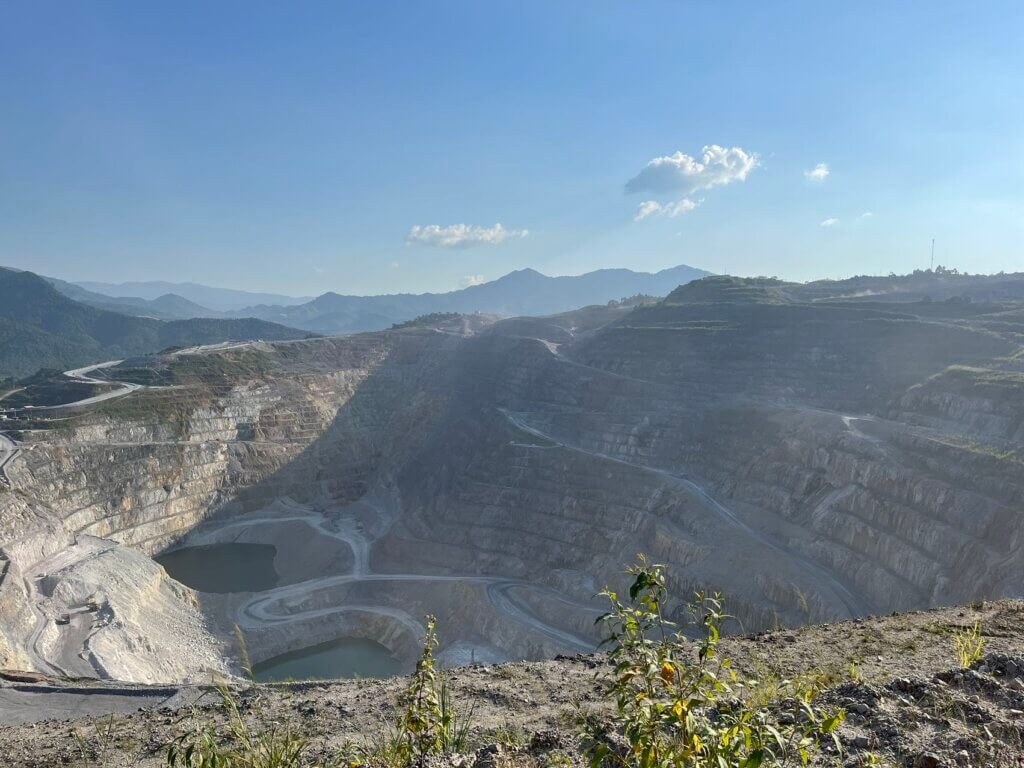
Open-pit mining remains one of the most widely used methods for extracting mineral resources worldwide. As global demand for metals, minerals, and critical raw materials continues to grow, mining companies face increasing pressure to improve productivity, enhance safety, reduce operating costs, and meet stricter environmental standards.
At the same time, rapid advancements in digital technologies are transforming the mining industry. Automation, artificial intelligence (AI), electrification, digital twin technology, and real-time data analytics are reshaping how open-pit mines are planned, operated, and managed. These innovations are helping mining companies achieve higher efficiency while reducing environmental impact and operational risks.
As the industry moves toward smarter and more sustainable operations, understanding the latest development trends in open-pit mining technology has become essential for mining companies, equipment manufacturers, and industry professionals. This article examines the current state of mining equipment, explores emerging technological trends, and discusses the future direction of open-pit mining between 2026 and 2035.
Key Development Trends in Open-Pit Mining (2026–2035)
The open-pit mining industry is entering a new era driven by digital transformation, automation, and sustainability goals. Between 2026 and 2035, mining companies are expected to invest heavily in intelligent equipment, advanced data analytics, and environmentally responsible technologies to improve productivity, safety, and operational efficiency. The following trends are expected to shape the future of open-pit mining worldwide.
| Trend | Expected Benefits |
|---|---|
| Automation and Autonomous Equipment | Increased productivity and reduced labor dependency |
| Artificial Intelligence and Data Analytics | Smarter decision-making and predictive maintenance |
| Electrification and Zero-Emission Equipment | Lower fuel consumption and carbon emissions |
| Digital Twin Technology | Improved mine planning and operational optimization |
| High-Precision Geological Exploration | More accurate resource estimation |
| Intelligent Safety Management Systems | Enhanced worker safety and risk prevention |
| Green Mining Practices | Better environmental sustainability |
| Advanced Drilling Technologies | Higher drilling efficiency and lower operating costs |
Automation and Autonomous Equipment
Autonomous haul trucks, drilling rigs, and loading equipment are becoming increasingly common in large-scale open-pit mines. These systems can operate continuously with minimal human intervention, reducing labor costs while improving production efficiency. Automated equipment also helps minimize human error and enhances safety in hazardous mining environments.
Artificial Intelligence and Data Analytics
Artificial intelligence is transforming how mining companies analyze operational data and make decisions. By processing information from sensors, equipment, and production systems, AI can optimize drilling and blasting operations, predict equipment failures, and improve resource utilization. Predictive maintenance powered by AI helps reduce unplanned downtime and lowers maintenance costs.
Electrification and Zero-Emission Equipment
As mining companies work toward carbon reduction goals, electric and hybrid mining equipment is gaining popularity. Battery-electric haul trucks, drilling rigs, and support vehicles help reduce fuel consumption, lower greenhouse gas emissions, and decrease operating costs. Electrification is expected to play a key role in achieving sustainable mining operations.
Digital Twin Technology
Digital twin technology creates a virtual replica of a mine, allowing operators to simulate and monitor operations in real time. By integrating geological, operational, and equipment data, digital twins help optimize mine planning, improve productivity, and support better decision-making. This technology also enables operators to identify potential issues before they impact production.
High-Precision Geological Exploration
Advancements in geological exploration technologies, including 3D modeling, remote sensing, drone surveys, and geophysical analysis, are improving the accuracy of resource evaluation. More precise geological data helps mining companies optimize mine design, reduce uncertainty, and maximize resource recovery.
Intelligent Safety Management Systems
Modern open-pit mines increasingly rely on intelligent safety systems that use sensors, cameras, IoT devices, and real-time monitoring platforms. These technologies can detect hazardous conditions, monitor equipment performance, track personnel locations, and provide early warnings of potential risks. As a result, mining companies can significantly improve workplace safety and reduce accident rates.
Green Mining Practices
Environmental sustainability is becoming a core focus of mining operations worldwide. Green mining practices include energy-efficient equipment, dust suppression systems, water recycling technologies, waste reduction programs, and land rehabilitation initiatives. These measures help minimize environmental impact while supporting regulatory compliance and corporate sustainability goals.
Advanced Drilling Technologies
Drilling remains one of the most critical processes in open-pit mining, and technological advancements are significantly improving performance. Automated drill rigs, intelligent drilling control systems, high-efficiency rock drilling tools, and real-time drilling data analysis enable faster penetration rates, improved hole accuracy, and lower operating costs. Advanced drilling technologies also contribute to more effective blasting and overall mine productivity.
Current Status of Mining Equipment
Trend Toward Larger Equipment
Modern open-pit mines widely use large-scale mining equipment, including giant electric shovels, dump trucks, and heavy-duty drills. These machines offer powerful digging capabilities, high transportation capacity, and superior operational efficiency, significantly boosting mining productivity.
Automation and Intelligence
Automation and intelligent technology are widely used in surface mining equipment. Examples include autonomous haulage trucks, remote-controlled machinery, and intelligent mining systems, which reduce human presence in high-risk areas, enhance operational safety, and lower labor costs.
Eco-Friendly Equipment
With the enhancement of environmental protection consciousness, surface mining equipment also pays more attention to environmental performance. Engines with lower emissions and noise levels, along with built-in dust suppression and noise reduction systems, help minimize the environmental impact of mining activities.
Development Trends in Open-Pit Mining Technology
Automation and Intelligence
Thanks to rapid developments in artificial intelligence (AI) and the Internet of Things (IoT), open-pit mining is gradually moving away from traditional labor-intensive models towards a new era of automation and intelligence. Automated excavation and haulage equipment have significantly reduced the need for workers in hazardous areas, improving both efficiency and safety.
The application of intelligent technologies is revolutionizing open-pit mining. Sensors installed across mining sites continuously collect and analyze real-time data, monitoring slope stability, weather conditions, and equipment performance. This enables predictive risk assessments and timely alerts, ensuring safer operations. Moreover, AI algorithms can optimize mining plans based on historical data, maximizing resource utilization.
Green Mining
While pursuing efficient mining, the open-pit mining industry is also paying more attention to environmental protection. Traditional mining methods often cause serious damage to the mining area and the surrounding environment, while the emergence of green mining technology provides an effective way to solve this problem.
Modern open-pit mines now employ eco-friendly mineral extraction methods, such as cyanide-free gold extraction, greatly reducing environmental impact. Innovations in tailings management, like dry tailings disposal and tailings recycling, not only lessen ecological damage but also improve economic returns.
Additionally, open-pit mines are actively engaging in land restoration efforts, including soil rehabilitation and vegetation recovery, to ensure that mined land can be returned to a natural ecological state after operations conclude, fostering harmony between human activities and nature.
High-Precision Geological Exploration
The success of open-pit mining heavily depends on a precise understanding of orebody geology. Recent advancements in geological surveying, particularly improvements in geophysical and geochemical detection methods, have significantly enhanced the accuracy of identifying mineral deposits.
The combined use of 3D geological modeling, remote sensing technology, and Geographic Information Systems (GIS) enables more accurate measurements of surface cover thickness and provides reliable geological data for mining operations. These high-precision exploration techniques optimize mine planning, improve mining efficiency, and reduce the risk of geological disasters. They also allow for the fine management of resources, minimizing waste and environmental impact.
Intelligent Risk Assessment and Safety Management Systems
Open-pit mining operations face many safety risks, such as collapses, landslides, explosions, and mechanical equipment failures. To effectively deal with these risks, open-pit mining enterprises are actively building intelligent risk assessment and safety management systems.
These systems integrate IoT, AI-driven analysis, and real-time feedback to monitor mining site conditions, issue early warnings for potential dangers, and automatically adjust operational plans to avoid accidents. Additionally, augmented reality (AR) and virtual reality (VR) technologies are being used for regular safety training, enhancing workers’ ability to respond to complex and hazardous environments and further raising safety standards.
Continuous Optimization and Technological Innovation
Facing complex operational environments and evolving market demands, open-pit mining technology must undergo continuous optimization and innovation. In the future, the industry will focus more on comprehensive resource utilization and the development of a circular economy, promoting a greener and more sustainable mining industry.
As AI, big data, and IoT technologies continue to mature, open-pit mining will become even more intelligent and automated. These new technologies will not only be applied to the mining process itself but will also extend across mine planning, design, production, and management, enabling fully integrated smart mining operations.
Electrification and Zero-Emission Mining
As environmental regulations become stricter and mining companies commit to carbon reduction targets, electrification and zero-emission technologies are rapidly transforming the open-pit mining industry. Traditionally, diesel-powered equipment has been a major source of greenhouse gas emissions and operating costs. Today, mining companies are increasingly investing in cleaner and more energy-efficient alternatives to improve sustainability and reduce long-term operational expenses.
Battery-Electric Mining Trucks
Battery-electric mining trucks are emerging as a practical solution for reducing fuel consumption and carbon emissions. Unlike conventional diesel trucks, electric haul trucks operate with lower energy costs and produce zero direct emissions during operation.
Advancements in battery technology have significantly improved vehicle range, charging efficiency, and overall performance, making battery-electric trucks increasingly suitable for large-scale mining operations. In addition to environmental benefits, electric trucks can reduce maintenance requirements due to their simpler drivetrain systems.
Key Benefits
- Reduced greenhouse gas emissions
- Lower fuel and maintenance costs
- Improved energy efficiency
- Reduced noise pollution
- Enhanced compliance with environmental regulations
Hybrid Mining Equipment
Hybrid mining equipment combines conventional internal combustion engines with electric power systems to improve fuel efficiency and reduce emissions. This technology serves as a transitional solution for mining companies seeking to lower their environmental impact without completely replacing existing equipment fleets.
Hybrid excavators, loaders, and haul trucks can recover and reuse energy during operation, resulting in lower fuel consumption and improved overall efficiency. As battery technology continues to advance, hybrid systems are expected to become even more effective in supporting sustainable mining practices.
Hydrogen-Powered Mining Vehicles
Hydrogen fuel cell technology is gaining attention as a potential long-term solution for achieving zero-emission mining operations. Hydrogen-powered vehicles generate electricity through a chemical reaction between hydrogen and oxygen, producing only water vapor as a byproduct.
Compared with battery-electric vehicles, hydrogen-powered equipment offers advantages such as faster refueling times and longer operating ranges, making it particularly attractive for large open-pit mines with demanding production schedules. Although infrastructure development remains a challenge, hydrogen technology is expected to play an increasingly important role in the future mining industry.
Potential Advantages
- Zero direct emissions
- Faster refueling than battery charging
- Extended operating range
- Suitable for heavy-duty mining applications
- Supports long-term decarbonization goals
Carbon-Neutral Mining Operations
Beyond equipment electrification, mining companies are pursuing comprehensive carbon-neutral strategies that address every stage of the mining process. These initiatives focus on reducing emissions while improving resource efficiency and environmental performance.
Common approaches include:
- Integrating renewable energy sources such as solar and wind power
- Electrifying mining fleets and support equipment
- Optimizing haulage routes through AI and data analytics
- Implementing energy-efficient processing technologies
- Increasing water recycling and waste reduction efforts
- Restoring and rehabilitating mined land
The transition toward carbon-neutral mining not only helps companies meet regulatory requirements but also strengthens their competitiveness in a market increasingly focused on environmental, social, and governance (ESG) performance.
Future Outlook
Electrification and zero-emission technologies are expected to become key drivers of innovation in open-pit mining over the next decade. As battery performance improves, hydrogen infrastructure expands, and renewable energy becomes more accessible, mining companies will continue accelerating the shift away from fossil fuels. Operations that successfully adopt low-carbon technologies will benefit from lower operating costs, improved sustainability performance, and stronger long-term resilience in a rapidly evolving mining industry.
Digital Twin Technology in Open-Pit Mining
Digital twin technology is rapidly becoming one of the most transformative innovations in open-pit mining. By creating a real-time virtual replica of a physical mine, operators can monitor, simulate, and optimize mining activities with unprecedented accuracy. This technology integrates geological data, equipment performance, production systems, and environmental conditions into a unified digital model, enabling smarter and more efficient decision-making.
Real-Time Mine Simulation
One of the core applications of digital twin technology is real-time mine simulation. A digital twin continuously collects data from sensors, GPS systems, drilling equipment, and haulage fleets to replicate the actual mining environment in a virtual space.
This allows mining engineers to:
- Visualize ongoing mining operations in real time
- Simulate different production scenarios
- Identify bottlenecks in the mining process
- Adjust operational parameters without interrupting production
By enabling virtual testing of operational changes, mines can significantly reduce risks and improve planning accuracy.
Production Optimization
Digital twins play a critical role in optimizing mine production. By analyzing real-time operational data, the system can recommend adjustments to drilling patterns, blasting design, haulage routes, and equipment utilization.
Key benefits include:
- Improved ore extraction efficiency
- Reduced fuel and energy consumption
- Optimized fleet coordination
- Higher overall production output
- Lower operational costs
With continuous feedback loops between physical operations and digital models, mining companies can achieve more stable and efficient production performance.
Predictive Maintenance
Equipment downtime is one of the most costly challenges in open-pit mining. Digital twin systems help address this issue through predictive maintenance.
By monitoring the condition of drilling rigs, haul trucks, excavators, and auxiliary equipment, digital twins can:
- Detect early signs of equipment wear
- Predict potential failures before they occur
- Schedule maintenance at optimal times
- Reduce unexpected breakdowns
This leads to higher equipment availability, longer service life, and significantly lower maintenance costs.
Virtual Mine Management
Digital twin technology also enables fully integrated virtual mine management. Mining managers can operate and evaluate the entire mine site from a centralized digital platform.
This includes:
- Real-time monitoring of production progress
- Safety and risk management visualization
- Resource allocation and scheduling optimization
- Environmental impact tracking
- Remote decision-making capabilities
As a result, mine management becomes more data-driven, transparent, and efficient.
Future Outlook
Digital twin technology is expected to become a standard component of intelligent mining operations over the next decade. As integration with artificial intelligence, IoT, and autonomous equipment continues to deepen, digital twins will evolve from monitoring tools into fully autonomous decision-support systems. This transformation will enable open-pit mines to operate with higher efficiency, lower costs, and improved environmental performance.
Future Development Trends of Drilling Equipment in Open-Pit Mining
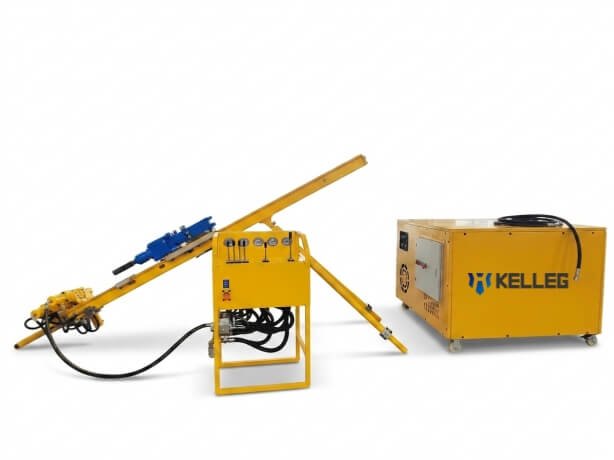
Drilling equipment plays a central role in open-pit mining operations, directly affecting blasting efficiency, production cost, and overall mine productivity. As mining conditions become more complex and operational efficiency requirements increase, drilling technology is rapidly evolving toward automation, intelligence, and high durability. In the coming years, advanced drilling systems will significantly improve accuracy, reduce manual intervention, and optimize rock-breaking performance.
Automated Drill Rigs
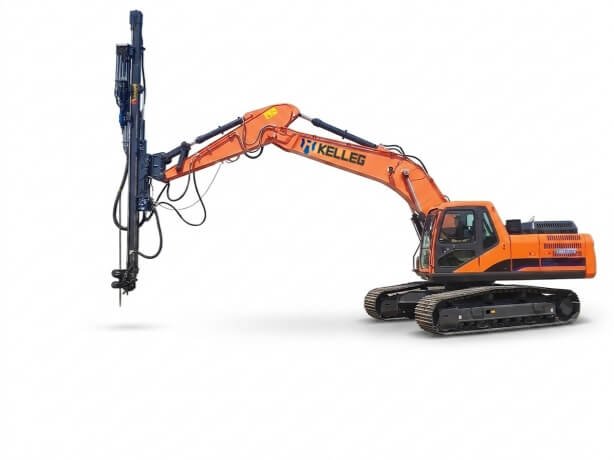
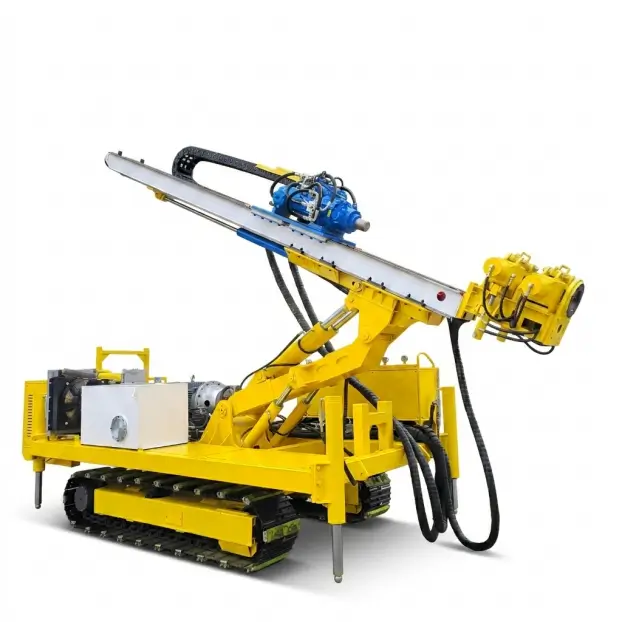
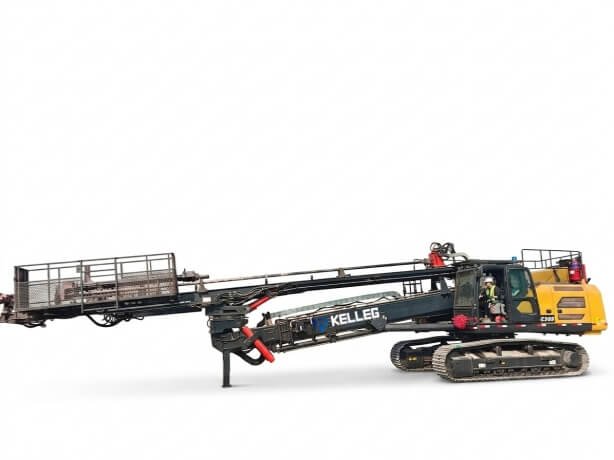
Automation is one of the most important development directions for modern drilling equipment. Automated drill rigs are increasingly being deployed in large open-pit mines to improve drilling consistency and operational safety.
Key automation functions include:
Automatic Hole Positioning
Advanced positioning systems use GPS, laser guidance, and digital mine models to ensure precise drilling location. This reduces human error and improves blast pattern accuracy, leading to better fragmentation results and higher downstream productivity.
Automatic Rod Handling
Automated rod handling systems eliminate the need for manual rod connection and disassembly. This not only improves operational efficiency but also significantly reduces safety risks for operators working in hazardous mining environments.
Remote Operation
Remote-controlled drilling systems allow operators to manage drilling rigs from a safe control center. This is particularly important in deep pits, unstable rock zones, or high-risk working conditions, improving both safety and operational flexibility.
AI-Assisted Drilling Optimization
Artificial intelligence is transforming drilling operations by enabling real-time optimization based on geological and operational data. AI-driven systems continuously analyze drilling performance and adjust key parameters to maximize efficiency.
AI optimization is typically based on:
- Rock hardness variations
- Penetration rate feedback
- Vibration and torque data
Based on this data, the system can automatically adjust:
- Feed pressure
- Rotation speed
- Air pressure
This dynamic optimization helps achieve:
- Faster penetration rates
- Reduced tool wear
- Improved hole quality
- Lower energy consumption
As AI systems continue to evolve, drilling operations will become increasingly autonomous and data-driven.
High-Efficiency Rock Drilling Tools
Alongside intelligent rigs, drilling tools themselves are also undergoing significant technological improvements. The focus is shifting toward durability, wear resistance, and intelligent performance monitoring.
Smart Drill Bits
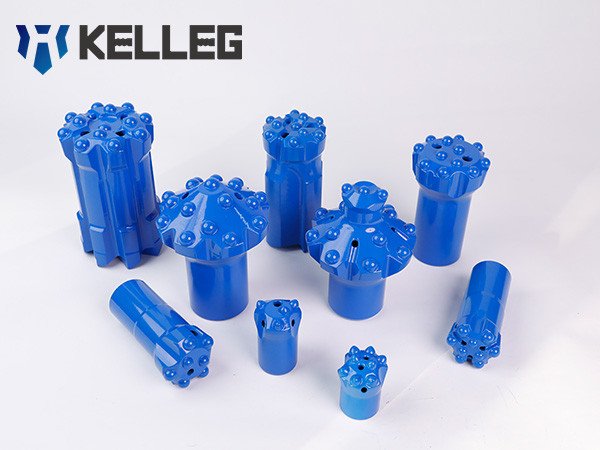
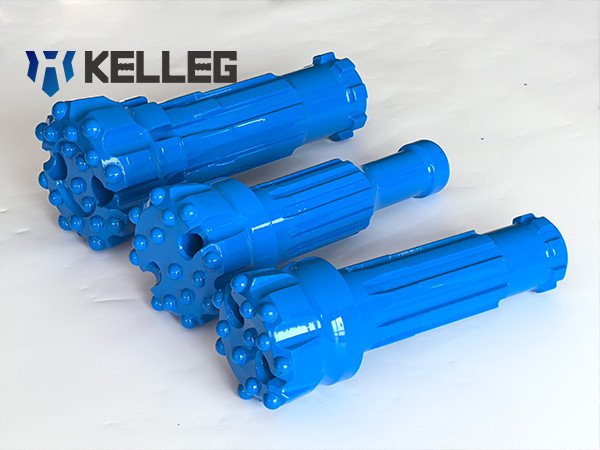

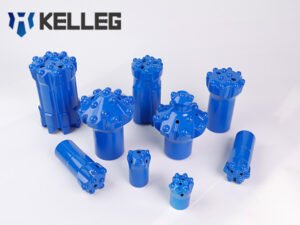
Smart drill bits are equipped with advanced carbide structures and optimized button layouts designed to improve rock-breaking efficiency across different geological conditions. These tools are engineered to maintain stable performance in hard, abrasive, and fractured rock formations.
Wear Monitoring Technology
New-generation drilling tools increasingly integrate wear monitoring capabilities, allowing operators to track bit condition in real time. This helps prevent unexpected failures and ensures timely replacement, reducing downtime and improving operational planning.
Longer Service Life Carbide Buttons
Carbide button technology continues to evolve, with improvements in material composition and heat treatment processes. Modern carbide buttons offer:
- Higher wear resistance
- Improved impact strength
- Extended service life
- Better performance in hard rock conditions
These improvements directly reduce drilling costs and increase overall efficiency.
Industry Application and Equipment Integration
Modern drilling systems are no longer standalone equipment—they are part of an integrated mining production ecosystem. Automated rigs, AI optimization systems, and advanced drilling tools work together to improve overall mine performance.
This evolution also strengthens the importance of core drilling consumables and equipment, including:
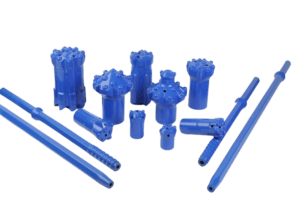
- Top Hammer Drill Bits
- DTH Drill Bits
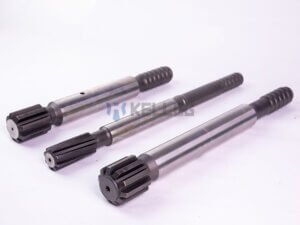
- Drill Rods
- DTH Hammers
These components remain essential to drilling performance, and their continuous improvement plays a key role in supporting automation and AI-driven drilling systems.
Future Outlook
The future of drilling equipment in open-pit mining will be defined by full automation, intelligent control systems, and high-performance wear-resistant materials. As mining companies continue to adopt digital transformation strategies, drilling operations will become more precise, safer, and significantly more cost-efficient. Equipment manufacturers that integrate automation, AI optimization, and advanced materials into their product lines will play a critical role in shaping the next generation of mining productivity.
Conclusion
Open-pit mining is entering a new phase of transformation driven by automation, artificial intelligence, electrification, and digitalization. These technologies are reshaping how mining operations are planned and executed, making them more efficient, safer, and environmentally responsible.
The continuous development of intelligent equipment, including autonomous drilling systems, AI-assisted optimization, digital twin platforms, and low-emission mining fleets, is significantly improving productivity while reducing operational risks and environmental impact.
At the same time, advancements in core drilling technologies—such as high-efficiency drill rigs, wear-resistant drill bits, and optimized rock drilling systems—are playing a crucial role in supporting this industry transformation.
Looking ahead, the future of open-pit mining will be defined by fully connected, data-driven, and low-carbon operations. Mining companies that adopt intelligent technologies and advanced drilling solutions early will gain a significant competitive advantage in productivity, cost efficiency, and sustainability.
Ultimately, open-pit mining is evolving toward a smarter, safer, and greener industry, where digital intelligence and advanced engineering work together to unlock higher levels of resource efficiency and long-term sustainability.