
Top hammer drilling is a percussive rock drilling method in which the impact mechanism is located inside the rock drill at the top of the drill tools. The piston strikes the shank adapter, generating impact energy that travels through the drill rods and reaches the drill bit to break the rock.
At the same time, the drilling tools rotate, the feed mechanism maintains contact between the bit and the rock, and air or water flushing removes rock cuttings from the borehole.
Unlike down-the-hole (DTH) drilling, where the hammer operates directly above the drill bit at the bottom of the hole, top hammer drilling transfers impact energy through the drill string.
Understanding this working principle helps drilling contractors and equipment buyers select compatible rock drill bits, drill rods, shank adapters, and coupling sleeves for their applications.
What Is Top Hammer Drilling?
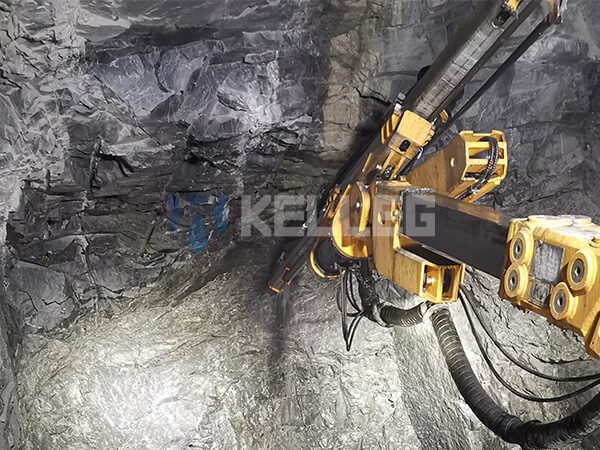
Top hammer drilling is a rotary-percussive drilling method widely used in mining, quarrying, tunneling, and civil construction.
In a top hammer drilling system, the rock drill is mounted on the drilling rig or feed beam. Its internal piston repeatedly strikes the shank adapter, producing stress waves that travel through the drill rod to the drill bit.
The drill bit then breaks the rock through repeated impacts and rotation.
The main characteristic of this method is that the impact mechanism remains at the top of the drill tools, while the impact energy is transmitted to the bottom of the borehole through the connected drilling tools.
This arrangement makes top hammer drilling particularly suitable for small- to medium-diameter holes and many surface and underground rock drilling applications.
Main Components of a Top Hammer Drilling System
A complete top hammer drilling system consists of several interconnected components. Each part has a specific function in transferring impact energy, transmitting rotation, and maintaining effective drilling.
Rock Drill
The rock drill is the main power unit of a top hammer drilling system.
It contains a piston that moves back and forth to generate repeated impact energy. In most modern mechanized top hammer systems, hydraulic power drives the piston, while the rig’s rotation mechanism and feed system provide the other required drilling movements.
The rock drill also supplies rotational torque to the drilling tools through the shank adapter.
Shank Adapter
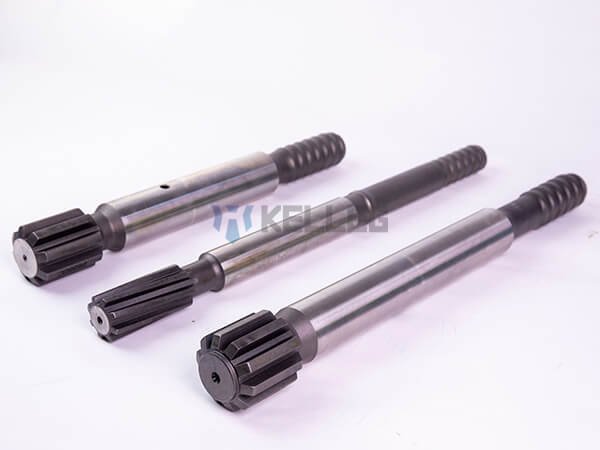
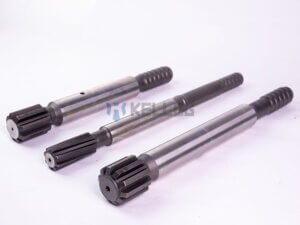
The shank adapter connects the rock drill to the drill rod.
It performs two important functions:
- Transfers impact energy from the rock drill piston into the drill rod.
- Transmits rotational torque from the rock drill to the drilling tools.
The shank adapter must match the rock drill model, connection type, and operating requirements. Incompatibility can cause poor connections, accelerated wear, and reduced drilling performance.
Drill Rods
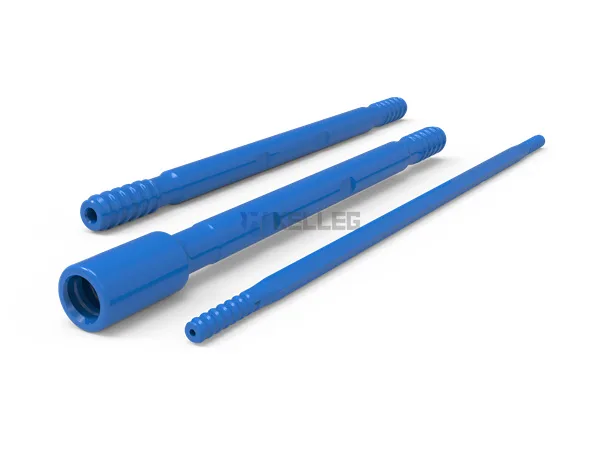
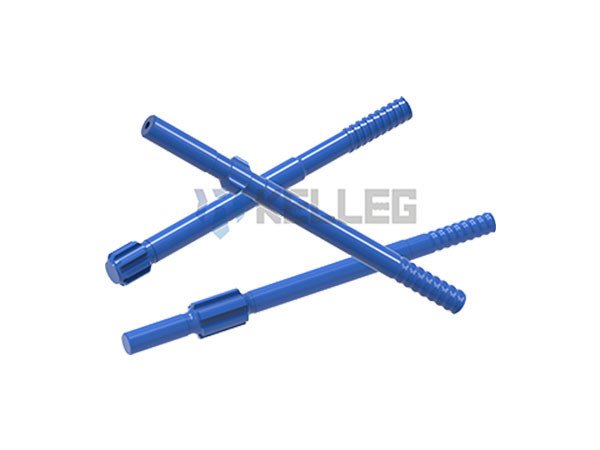
Drill rods extend the drilling reach and transmit impact energy and rotational torque from the rock drill to the bit.
They are designed to withstand repeated impact loading, bending forces, and torsional stress during drilling.
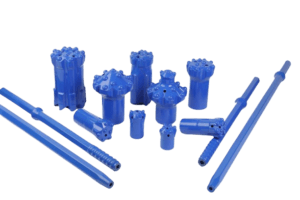
Common drill rods include extension rods and male-female (MF) rods.
The appropriate rod type depends on the drilling equipment, connection thread, hole depth, and application requirements.
Coupling Sleeves

Coupling sleeves connect two separate extension rods, allowing the drill rod to extend as the borehole deepens.
They maintain a secure threaded connection and help transmit impact energy and rotation between connected rods.
The thread type and dimensions must match the corresponding drill rods. A poorly matched or worn coupling can affect connection stability and energy transmission.
MF rods use male and female threaded ends for direct connection and generally do not require a separate coupling sleeve between compatible rods.
Rock Drill Bit
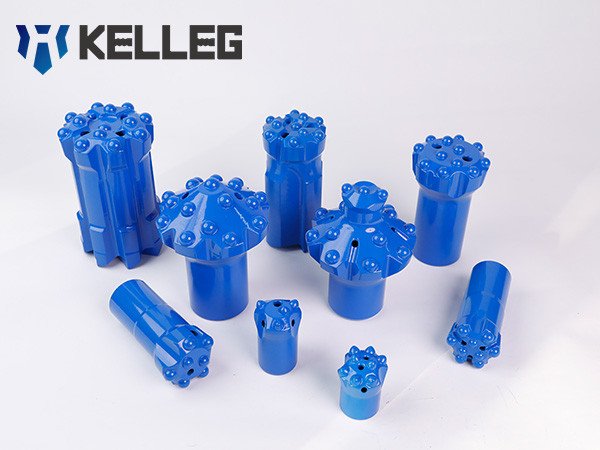
The rock drill bit is the component that directly contacts and breaks the rock.
During drilling, the bit receives repeated impact energy from the drill rod. Its buttons or cutting inserts penetrate and fracture the rock, while rotation brings the cutting elements into contact with fresh rock surfaces.
Common top hammer bit types include:
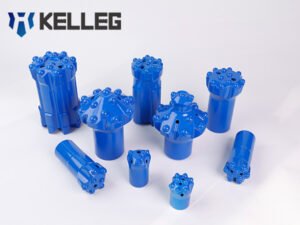
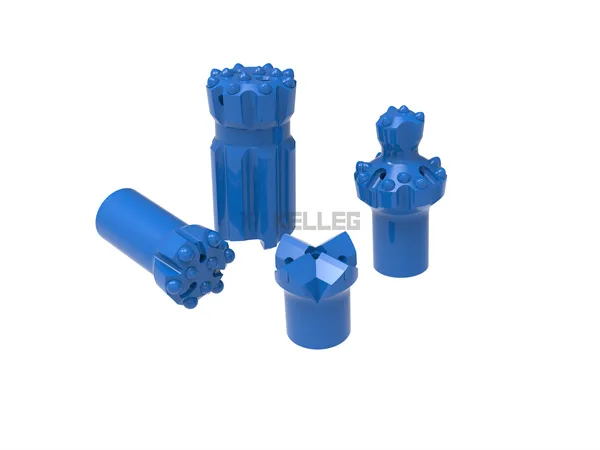
- Button Bits: Widely used for threaded drilling applications in different rock conditions.
- Cross Bits: Suitable for certain fractured or abrasive rock formations.
The correct bit selection depends on rock hardness, abrasiveness, drilling diameter, rock drill capacity, and connection specifications.
How Does Top Hammer Drilling Work?
Top hammer drilling works through the coordinated action of percussion, rotation, feed force, and flushing.
The process can be divided into five main stages.
Step 1: Impact Energy Generation
The process begins inside the rock drill.
A hydraulic or pneumatic mechanism drives the piston back and forth at high speed. Each forward movement produces an impact against the shank adapter.
This repeated action generates stress waves that enter the drill rod.
The actual impact frequency and energy depend on the rock drill model and its operating parameters.
Step 2: Impact Energy Transmission Through the Drill Rod
After the piston strikes the shank adapter, the impact energy travels through the connected drilling tools.
The transmission path is generally:
Rock Drill → Shank Adapter → Drill Rods → Drill Bit
When multiple extension rods are used, coupling sleeves connect the individual rods.
As the impact wave travels through the drill string, some energy is lost through material damping, connections, and other transmission effects. These losses become increasingly important as the drill string gets longer.
This is one of the main factors affecting top hammer drilling performance in deeper holes.
Step 3: Rotation and Feed Force
While impact energy travels through the drill rod, the rotation mechanism continuously turns the drilling tools.
Rotation moves the drill bit buttons or cutting edges across different areas of the rock surface, allowing the bit to break fresh rock with successive impacts.
At the same time, the feed mechanism pushes the rock drill and drill rod toward the rock face.
The feed force helps maintain effective contact between the drill bit and the rock.
Both rotation speed and feed force must be adjusted according to the rock conditions, drill bit diameter, and equipment manufacturer’s recommendations.
Step 4: Rock Fracturing
When the impact energy reaches the drill bit, the carbide buttons or cutting elements strike the rock.
Repeated impacts create local stress and fractures in the rock. Rotation allows the cutting elements to attack new areas, gradually breaking the rock into smaller fragments.
The combined action of percussion and rotation enables the drill bit to advance into the rock and form a borehole.
Step 5: Flushing and Cuttings Removal
As the drill bit breaks the rock, crushed particles accumulate around the bottom of the borehole.
The flushing hole delivers air or water through the drilling tools to remove these cuttings.
The flushing medium carries loosened rock particles away from the bit and out of the borehole.
Without sufficient flushing, cuttings may accumulate, causing repeated grinding, increased bit wear, and reduced penetration efficiency.
These five stages operate continuously throughout the drilling process.
The Difference Between Top Hammer and DTH Drilling
Both top hammer and down-the-hole (DTH) drilling use percussion and rotation to break rock. However, the main difference is the location of the impact mechanism and how impact energy reaches the drill bit.
| Comparison | Top Hammer Drilling | DTH Drilling |
|---|---|---|
| Hammer location | Inside the rock drill at the top | At the bottom of the drill tools |
| Impact transmission | Through the shank adapter and drill rods | Directly from the down-the-hole hammer to the bit |
| Energy transmission | Travels through the drill rod and its connections | Generated close to the drill bit |
| Typical applications | Bench drilling, tunneling, underground mining | Deep-hole drilling, quarrying, larger-diameter holes |
| Depth considerations | Energy losses and hole deviation become more significant with depth | Generally maintains effective impact energy over greater depths |
Top hammer drilling is often selected for smaller- to medium-diameter holes and applications where high drilling productivity and flexible equipment operation are important.
DTH drilling is often considered for deeper holes, larger diameters, or applications where borehole straightness is a major requirement.
The best method depends on hole diameter, depth, rock conditions, equipment availability, and overall drilling costs.
What Factors Affect Top Hammer Drilling Performance?
The performance of a top hammer drilling system depends on more than the impact power of the rock drill. The entire drilling setup must work together.
Rock Conditions
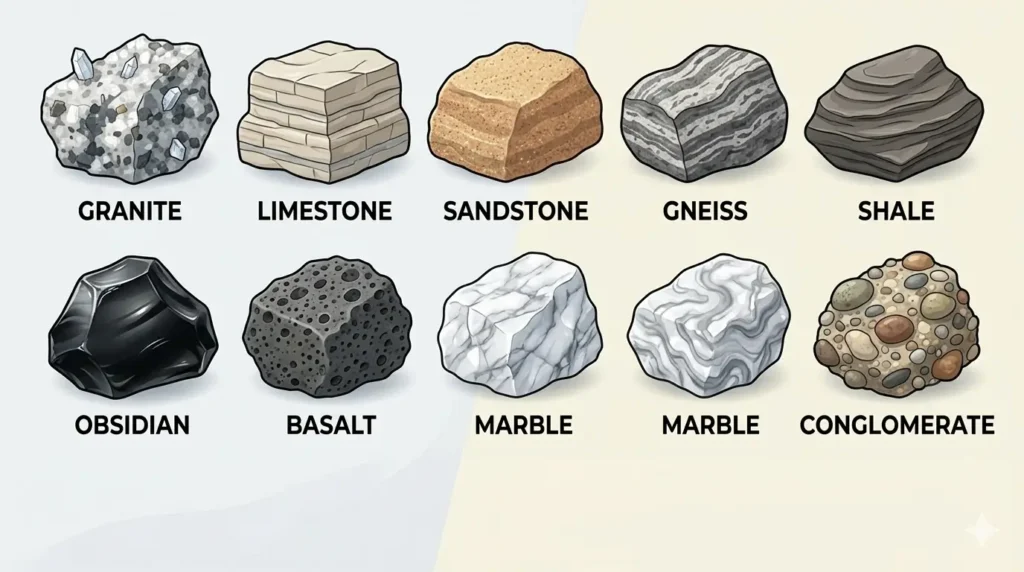
Rock hardness, abrasiveness, and geological structure influence drilling resistance and tool wear.
Hard and abrasive formations may require different drill bit designs and operating parameters compared with softer or fractured rock.
Impact Energy and Feed Force
Impact energy determines how effectively the drill bit breaks the rock.
Feed force keeps the bit in effective contact with the rock surface. Too little feed force may cause the drilling tools to bounce, while excessive force can increase mechanical stress and interfere with proper rotation.
Rotation Speed
Rotation speed determines how quickly the drill bit moves its cutting elements to fresh areas of rock between impacts.
The appropriate rotation speed depends on the drill bit diameter, rock formation, and rock drill specifications.
Incorrect rotation settings may lead to inefficient rock breaking or unnecessary bit wear.
Drilling Tools Connection
The shank adapter, drill rods, and coupling sleeves must have compatible thread specifications and dimensions.
Loose, damaged, or incorrectly matched connections can reduce transmission efficiency and increase wear.
Regular inspection of threaded connections is important for maintaining reliable drilling performance.
Drill Bit Selection
The drill bit must match the rock formation, drilling diameter, rock drill capacity, and connection type.
For example, button bits are widely used in mechanized top hammer drilling, while cross bits and chisel bits are suitable for particular equipment and geological conditions.
Selecting the correct bit design helps maintain drilling efficiency and control tooling consumption.
Flushing Efficiency
Effective flushing removes rock cuttings from the borehole and helps prevent the drill bit from repeatedly grinding broken material.
Insufficient flushing can reduce penetration rate and increase wear on the drilling tools.
Where Is Top Hammer Drilling Used?
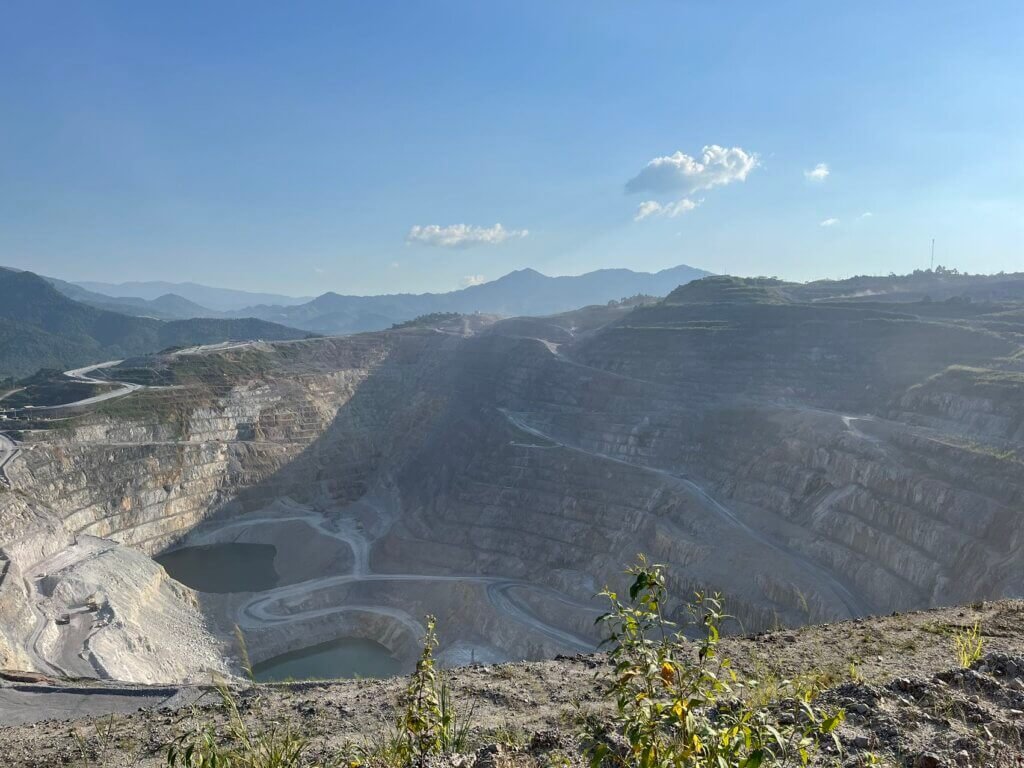
Top hammer drilling is widely used in applications that require efficient rock penetration and reliable borehole formation.
Mining: Used for production drilling, development drilling, and blasting operations in surface and underground mines.
Quarrying: Used for bench drilling and blast-hole preparation in stone quarries and aggregate production.
Tunneling: Used for drilling blast holes and other rock drilling operations during underground excavation.
Civil Construction: Applied in road construction, foundation work, slope excavation, and other projects involving hard rock.
The choice of drilling tools depends on the drilling rig, hole specifications, rock conditions, and project requirements.
How to Select Compatible Top Hammer Drilling Tools
Selecting top hammer drilling tools requires more than choosing a drill bit based on diameter alone.
The main components must be compatible with the rock drill and with one another.
Before purchasing, consider the following information:
- Rock drill brand and model.
- Shank adapter type and connection specifications.
- Drill rod type and thread size.
- Coupling sleeve specifications, if extension rods are used.
- Required drill bit diameter and thread connection.
- Rock hardness, abrasiveness, and drilling conditions.
- Required hole depth and drilling application.
For example, a drill bit with the correct diameter may still be unsuitable if its thread connection does not match the drill rod.
Similarly, a shank adapter must match the rock drill model and the required connection specifications.
For drilling contractors and distributors, confirming the complete tooling configuration before ordering can help avoid compatibility problems and unnecessary replacement costs.
Looking for Compatible Top Hammer Drilling Tools?
Whether you need rock drill bits, drill rods, shank adapters, or coupling sleeves, selecting compatible tooling is essential for reliable drilling performance.
Kelleg supplies a range of top hammer drilling tools for mining, quarrying, and construction applications.
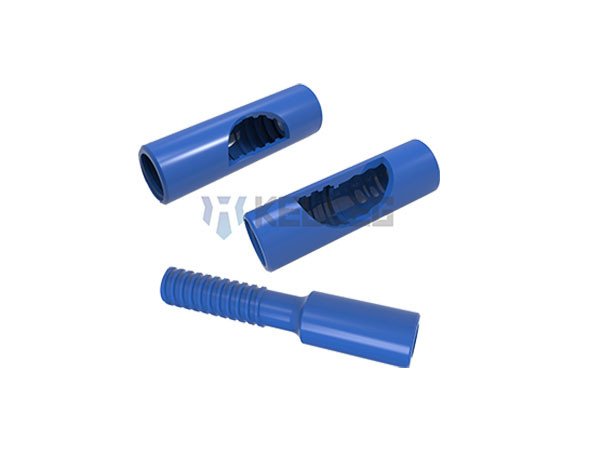
Need help confirming compatibility?
Send us your rock drill model, thread type, bit diameter, and application requirements.
Frequently Asked Questions
What is the main working principle of top hammer drilling?
Top hammer drilling uses repeated piston impacts generated inside the rock drill. The impact energy travels through the shank adapter and drill rods to the drill bit, where it breaks the rock. Rotation, feed force, and flushing work together to maintain continuous drilling.
What is the difference between top hammer and DTH drilling?
The main difference is the location of the impact mechanism. In top hammer drilling, the impact mechanism is located inside the rock drill at the top of the drilling tools. In DTH drilling, the hammer is positioned directly above the drill bit at the bottom of the borehole.
What are the main components of a top hammer drilling system?
The main components include the rock drill, shank adapter, drill rods, coupling sleeves, and rock drill bit.
Why is a shank adapter important in top hammer drilling?
The shank adapter connects the rock drill to the drill rod. It transfers impact energy from the piston and transmits rotational torque to the connected drilling tools.
Can different brands of top hammer drilling tools be used together?
In some cases, tools from different suppliers can be used together, provided that their thread specifications, dimensions, connection types, and equipment compatibility requirements match.
Brand name alone is not sufficient to confirm compatibility. Buyers should verify the rock drill model and the complete tooling specifications before ordering.
What information is needed to select the right top hammer drilling tools?
The most useful information includes the rock drill model, shank adapter connection, drill rod thread type, required bit diameter, hole depth, and rock conditions. Photos or existing tool specifications can also help suppliers confirm compatibility.
Conclusion
Top hammer drilling works by transmitting impact energy from a piston inside the rock drill through the shank adapter and drill rod to the drill bit. The combined action of percussion, rotation, feed force, and flushing enables the bit to break rock and advance the borehole.
For reliable drilling performance, every component must work as part of a compatible system. Selecting the correct rock drill bits, drill rods, shank adapters, and coupling sleeves according to the equipment and drilling conditions is essential.
Kelleg supplies a range of top hammer drilling tools, including rock drill bits, drill rods, shank adapters, and coupling sleeves.
If you are sourcing top hammer drilling tools for mining, quarrying, or construction projects, contact Kelleg with your rock drill model, thread specifications, and drilling requirements. Our team can help you identify suitable tooling options for your application.