
Rock drilling tools have evolved from simple hand-operated chisels into specialized equipment used in mining, tunneling, quarrying, and infrastructure construction. This development has been driven by the need to drill faster, reach greater depths, improve hole accuracy, and withstand increasingly demanding rock conditions.
The history of rock drilling technology can be understood through several major transitions: from manual rock breaking to mechanical drilling, from early pneumatic drills to hydraulic systems, and from conventional drilling tools to modern top hammer and down-the-hole (DTH) drilling technologies.
For mining companies, drilling contractors, and procurement professionals, understanding these developments provides useful context for evaluating modern drilling tools and selecting equipment for specific applications.
A Brief Timeline of Rock Drilling Technology
Rock drilling technology developed gradually rather than through a single invention. The following timeline highlights major stages in its evolution.
| Period | Major Development | Significance |
|---|---|---|
| Ancient times–18th century | Hand-operated hammers, chisels, and picks | Enabled early mining, stone working, and excavation |
| 16th–18th centuries | Wider use of drilling for blasting | Increased demand for more consistent and efficient blast holes |
| Early–mid-19th century | Experimental steam-powered and mechanical rock drills | Began replacing manual labor with powered drilling |
| Mid–late 19th century | Pneumatic percussion drills | Improved impact drilling productivity in mining and tunneling |
| Late 19th–early 20th century | Hollow drill steels and improved flushing methods | Helped remove cuttings and control drilling dust |
| Early–mid-20th century | Portable drills, improved drill steels, and specialized drilling equipment | Expanded drilling applications and improved operational flexibility |
| Mid–late 20th century | Hydraulic rock drills and modern top hammer systems | Improved drilling control and enabled higher-performance drilling equipment |
| Mid–late 20th century onward | Wider adoption of DTH drilling | Supported deep-hole and large-diameter drilling applications |
| 21st century | Automation, digital monitoring, and advanced materials | Improved performance monitoring, maintenance planning, and operational efficiency |
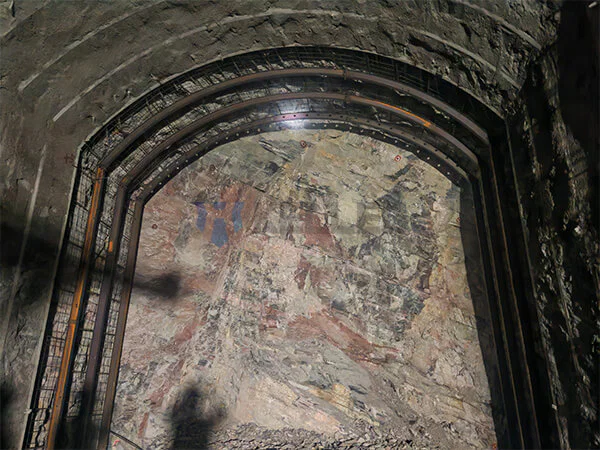
These periods are broad historical markers. The introduction and adoption of individual technologies varied by country, manufacturer, and application.
Early Rock Drilling: Manual Tools and Primitive Rock Breaking
The earliest rock excavation methods relied on human labor and simple tools, including stone hammers, metal chisels, and picks. Workers broke rock through repeated impacts, gradually creating holes or removing material.
Manual drilling was useful when mechanical power was unavailable. It also laid the groundwork for later percussion drilling: applying repeated impacts to fracture rock.
However, manual methods had significant limitations:
- Low drilling productivity
- High labor requirements
- Limited practical drilling depth
- Difficulties maintaining consistent hole dimensions
- Greater dependence on worker skill and physical effort
As mining expanded and underground construction became more demanding, these limitations created a need for powered drilling equipment.
The Rise of Purpose-Built Drill Rigs: Blasting and Mechanization
The use of gunpowder in mining and excavation increased the need for holes that could be positioned and drilled more consistently. As blasting became an important excavation method, drilling became a distinct operation requiring suitable tools and equipment.
During the Industrial Revolution, the expansion of mining, railway construction, and tunneling increased demand for faster rock excavation.
Engineers began developing mechanical rock drills powered by external energy sources. Early steam-powered concepts and subsequent pneumatic designs helped reduce dependence on manual hammering.
The transition was important because drilling productivity increasingly depended on machine performance, tool design, and the ability to remove rock fragments from the hole.
Mechanical drilling also introduced new engineering challenges. Drill rods had to withstand repeated impacts, connections had to transmit energy reliably, and drilling equipment had to operate under demanding underground conditions.
Pneumatic Rock Drills: The Impact of Compressed Air
Pneumatic rock drills use compressed air to drive a reciprocating piston that delivers repeated impacts to the drill rod or bit.
The development of pneumatic drilling represented a major advance in mining and tunneling. Compared with purely manual methods, powered percussion drilling enabled higher drilling output and reduced the physical effort required from workers.
Pneumatic drilling also supported the development of portable rock drills and larger mechanized drilling equipment.
Why flushing became important
Breaking rock produces cuttings and dust that must be removed from the borehole. If these materials accumulate, they can interfere with drilling, increase wear, and reduce operational efficiency.
The development of hollow drill rods and improved air or water flushing methods helped address this problem. Flushing carries cuttings away from the bit and can help control airborne dust, depending on the drilling arrangement and operating conditions.
Effective dust control still requires suitable equipment, correct operating procedures, and appropriate workplace protection.
Key contributions of pneumatic drilling
- Greater drilling productivity than manual methods
- More practical mechanization of underground drilling
- Improved borehole cleaning when effective flushing is used
- A foundation for subsequent developments in percussion drilling
Pneumatic rock drills remain relevant in applications where equipment simplicity, portability, and the available power supply influence equipment selection.
Hydraulic Rock Drills: Greater Power and Drilling Control
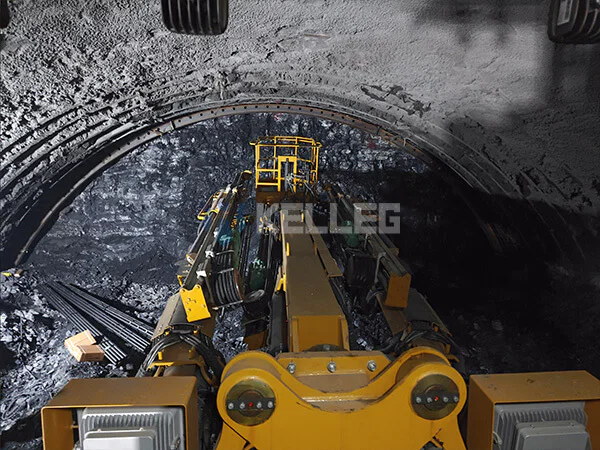
Hydraulic rock drills became an important development in modern mechanized drilling, particularly in mining and tunneling.
Instead of relying primarily on compressed air to drive the impact mechanism, hydraulic drills use pressurized hydraulic fluid to power the drilling action.
Hydraulic technology enabled the development of high-performance drilling rigs with more sophisticated control over impact energy, feed force, and rotation.
Depending on the equipment design and operating conditions, hydraulic drilling can provide advantages in energy efficiency, productivity, and drilling control compared with conventional pneumatic systems.
How hydraulic drilling changed modern operations
Hydraulic rock drills helped support mechanized underground drilling, including equipment designed to drill multiple holes with greater consistency.
Important developments included:
- Higher-performance impact mechanisms
- Improved control of drilling parameters
- Integration with mechanized drilling rigs
- More advanced feed and rotation systems
- Greater potential for automated drilling operations
These advances also increased the importance of matching the drill bit, drill rod, shank adapter, and rock drill to the intended application.
The performance of the complete drilling arrangement depends on compatibility and operating conditions, not simply on the power of the drilling machine.
The Development of Top Hammer Drilling Tools
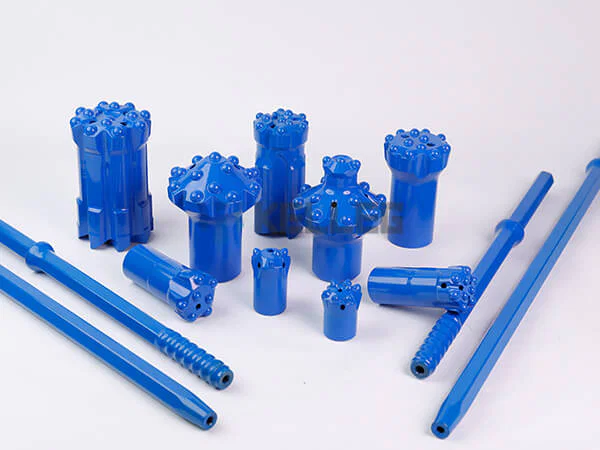
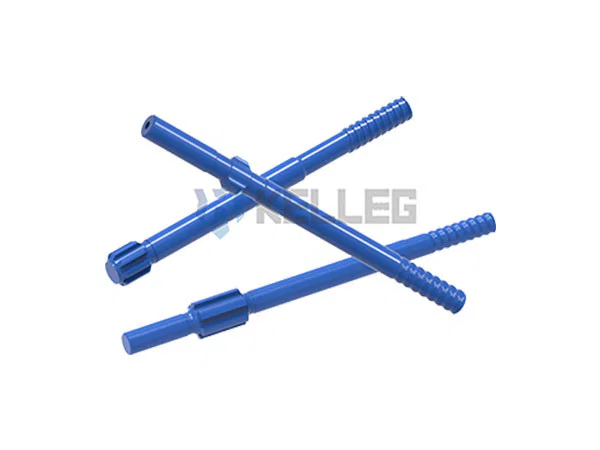
Top hammer drilling is a percussion drilling method in which the impact mechanism is located in the rock drill at the rear of the drill rod. Impact energy travels through the shank adapter and drill rods to the bit at the bottom of the hole.
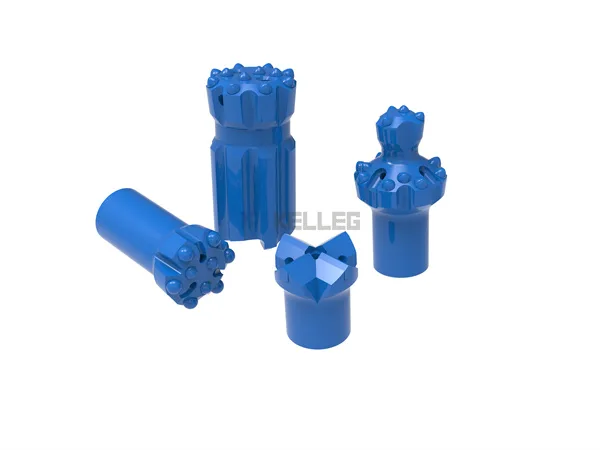
The development of modern top hammer drilling tools reflects improvements in impact transmission, threaded connections, steel quality, heat treatment, and carbide button design.
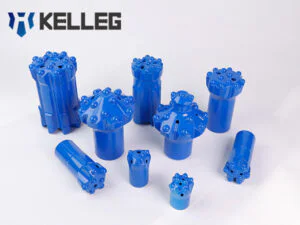
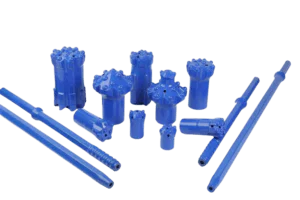
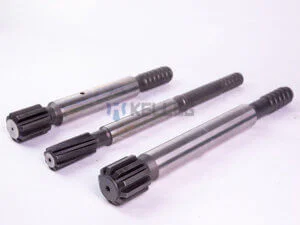
Main components of top hammer drilling tools
- Shank adapters: Connect the rock drill to the drill rods and transmit impact energy and rotation.
- Drill rods: Transfer impact energy and rotation toward the bit.
- Coupling sleeves: Connect compatible threaded rods where required.
- Rock drill bits: Break the rock through repeated impacts and rotation.
- Specialized bits: Retrac, reaming, and other designs serve particular drilling requirements.
How modern top hammer drilling tools improved performance
Modern threaded connections and improved material processing help the drilling tools withstand repeated impact and bending stresses.
Tungsten carbide buttons and optimized bit geometries are designed to balance penetration, wear resistance, and drilling stability under different rock conditions.
Top hammer drilling is commonly used in surface mining, quarrying, underground mining, and tunneling. Its suitability depends on hole depth and diameter, rock conditions, equipment capability, and the required drilling accuracy.
For procurement teams, matching the thread type, rod dimensions, bit diameter, and rock drill specification is essential. A tool that does not match the equipment can compromise performance and service life.
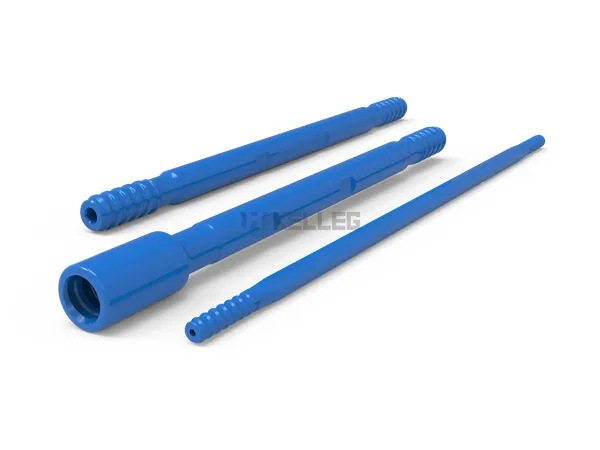
Down-the-Hole (DTH) Drilling: Moving the Impact Mechanism into the Borehole
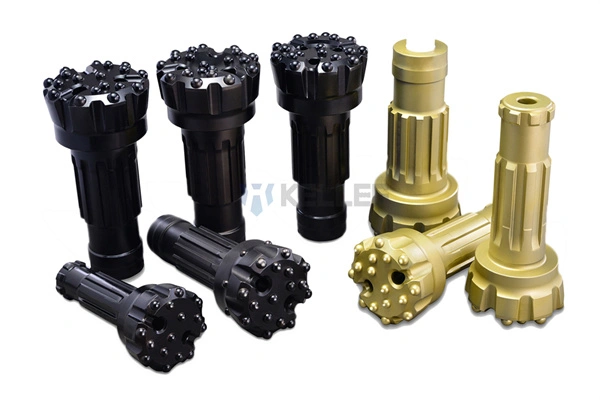
Down-the-hole drilling has developed as an alternative percussion method for applications that require deep holes or larger hole diameters.
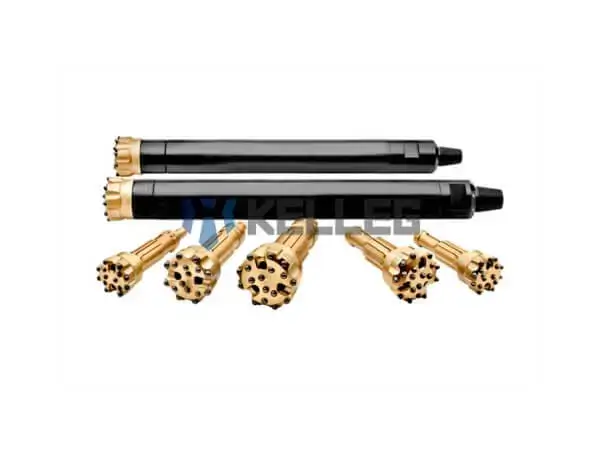
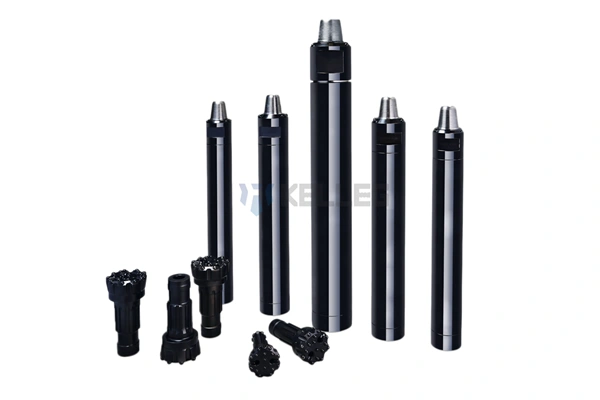
In DTH drilling, a pneumatic hammer operates directly behind the drill bit inside the borehole. This arrangement delivers impact energy close to the rock-breaking point, reducing the distance over which impact energy must travel through the drill rod.
Main DTH drilling tools
- DTH hammers: Generate the percussion action close to the bit.
- DTH bits: Transfer impact energy to the rock and help form the borehole.
The hammer and bit must be compatible in terms of shank design, diameter, and operating requirements.
Why DTH drilling became important
DTH drilling is widely used in open-pit mining, quarry blasting, water well drilling, geothermal projects, and selected foundation applications.
Its characteristics can be particularly useful when drilling deep holes or larger-diameter holes in hard rock. Hole straightness and penetration performance depend on the complete drilling setup, rock conditions, operating parameters, and maintenance.
Top hammer vs. DTH drilling
| Factor | Top Hammer Drilling | DTH Drilling |
|---|---|---|
| Impact mechanism | Located in the rock drill at the surface or rig | Located behind the bit in the borehole |
| Impact transmission | Through the shank adapter and drill rods | Generated close to the drill bit |
| Common applications | Quarrying, surface mining, tunneling, underground drilling | Deep-hole drilling, quarry blasting, water wells, selected large-diameter applications |
| Important selection factors | Rod and thread compatibility, hole depth, rock conditions, equipment capability | Hammer and bit compatibility, hole diameter, air supply, rock conditions |
| Key operating considerations | Impact transmission, rod condition, bit wear, drilling control | Air pressure and flow, hammer condition, bit wear, flushing |
Neither method is universally superior. The appropriate choice depends on the hole requirements, drilling equipment, geological conditions, operating costs, and project objectives.
Rotary Drilling: A Different Approach to Rock Breaking

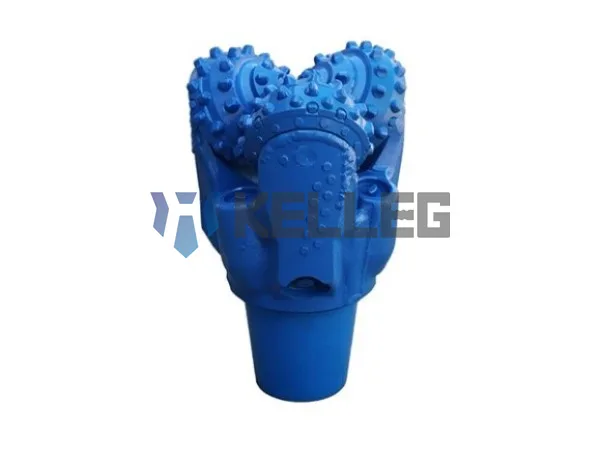

Rotary drilling breaks rock primarily through continuous rotation combined with applied torque and axial force. Depending on the tool design, rock is cut, crushed, or fractured as the bit advances.
Common rotary drilling tools include roller cone bits and polycrystalline diamond compact (PDC) bits. Different bit designs are intended for different formations and operating conditions.
Rotary drilling has played a major role in oil and gas exploration, geological investigation, and large foundation projects.
Although rotary and percussion methods can overlap in some applications, they use different rock-breaking principles. The choice between them depends on formation characteristics, hole dimensions, drilling depth, and the available equipment.
How Materials and Manufacturing Improved Modern Rock Drilling Tools
The evolution of rock drilling tools has involved more than changes to the drilling machine. Tool materials, manufacturing processes, and connection designs have also been essential.
Alloy steel and heat treatment
Drill rods, shank adapters, and other impact-loaded components must withstand repeated loading, bending stresses, and wear.
Appropriate steel selection and heat treatment help balance strength, toughness, hardness, and fatigue resistance. The correct balance depends on the component’s design and operating conditions.
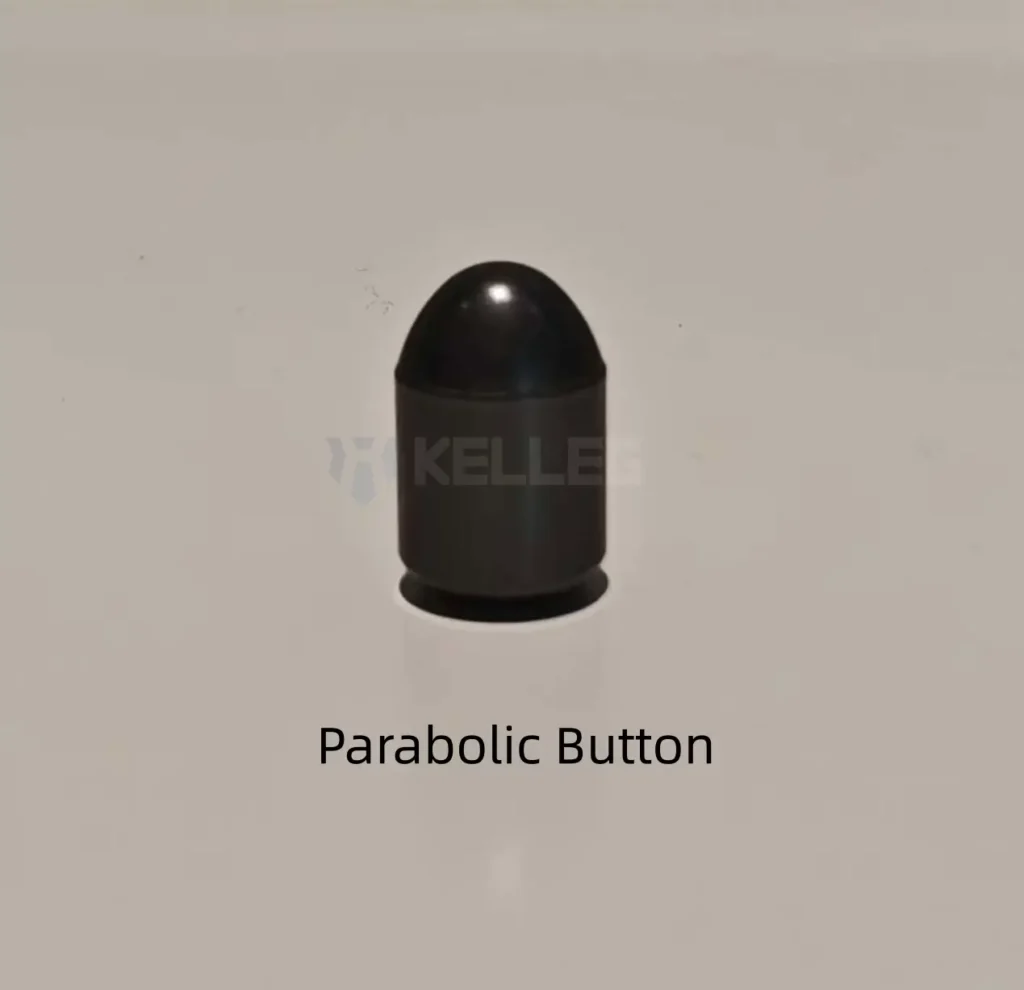
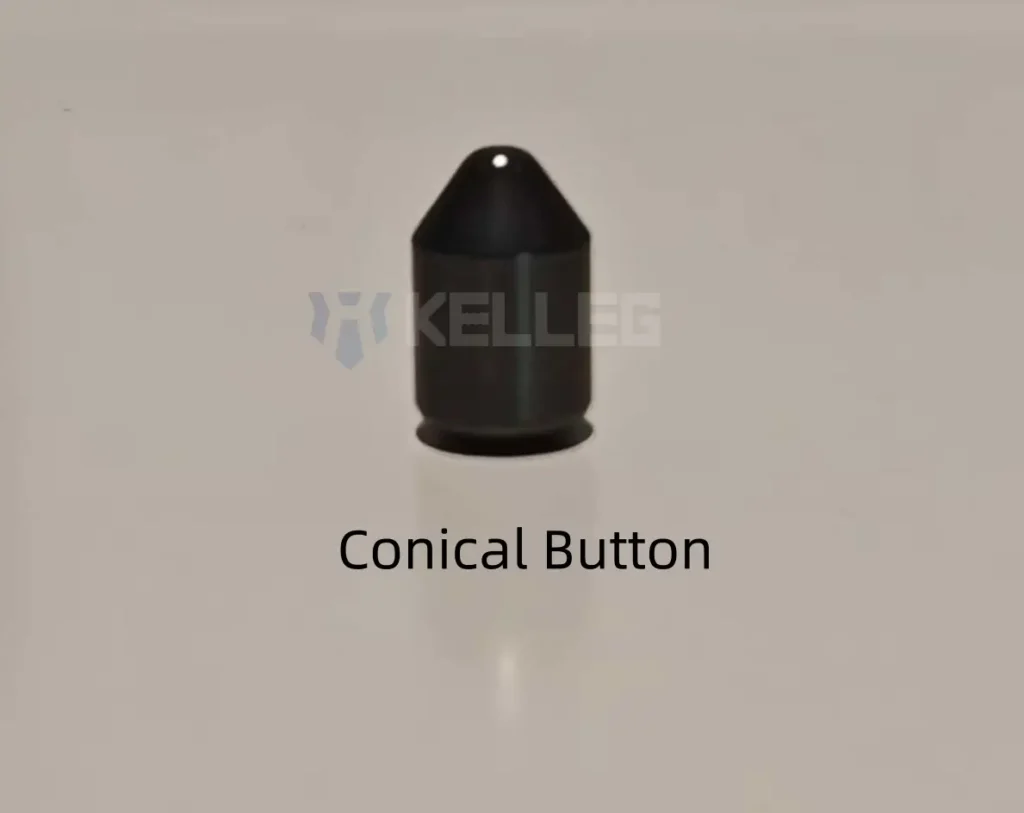
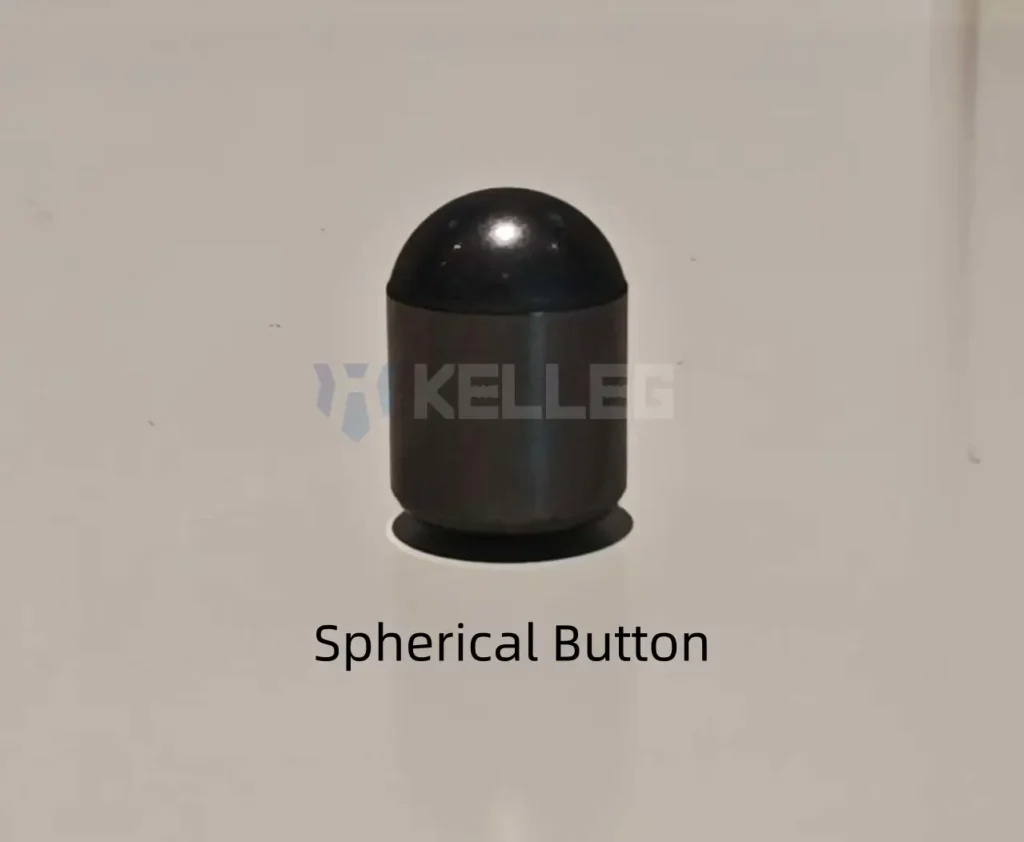
Carbide buttons are widely used in modern percussion drill bits because they provide hardness and wear resistance.
Button shape, size, grade, placement, and bit-face geometry influence how the bit interacts with the rock. The most suitable design depends on the rock formation, drilling method, and operating parameters.
Thread and connection design
Connections must transmit impact energy and rotation while withstanding repeated loads. Thread type and dimensions must match the drilling equipment and adjoining components.
For buyers, the key lesson is that a drilling tool’s service life depends on its design, material quality, manufacturing consistency, compatibility, and operating conditions—not on a single material specification alone.
Modern Trends: Automation, Monitoring, and Sustainability
Modern drilling operations increasingly use mechanized rigs, digital monitoring, and automated control systems.
These technologies can help operators monitor drilling parameters, identify performance changes, plan maintenance, and improve consistency.
Current and emerging development areas include:
- Automated drilling rigs and remote operation
- Monitoring of drilling performance and equipment condition
- Data-assisted maintenance planning
- Improved alloy and carbide materials
- Tool designs intended to extend service life and reduce replacement frequency
- More efficient use of energy and consumables
The level of automation varies widely across equipment and projects. Sensors and artificial intelligence should be treated as tools for supporting operational decisions, not as guarantees of higher productivity in every geological condition.
For mining and construction companies, the practical objective remains the same: achieve reliable drilling performance while managing tool consumption, downtime, safety, and total operating costs.
How Historical Developments Inform Modern Tool Selection
The history of rock drilling technology shows that different tools evolved to address different engineering challenges. Selecting modern equipment therefore requires matching the drilling method and consumables to the project.
Before purchasing rock drilling tools, evaluate the following:
- Rock conditions: Assess rock hardness, abrasiveness, fractures, and geological variability.
- Hole requirements: Define the required diameter, depth, straightness, and drilling purpose.
- Equipment compatibility: Confirm the rock drill model, shank type, thread, and relevant tool dimensions.
- Operating conditions: Consider impact settings, rotation, feed force, air supply, and flushing requirements as applicable.
- Tool durability: Evaluate wear patterns, service life, and the consistency of manufacturing quality.
- Total drilling cost: Consider tool consumption, downtime, replacement frequency, and productivity rather than purchase price alone.
- Technical support: Confirm whether the supplier can help verify specifications and investigate premature wear or performance problems.
For example, a quarry drilling relatively shallow production holes may have different requirements from a contractor drilling deep blast holes in hard rock. Even within the same application, rock conditions and equipment configurations can change which tool performs best.
The most suitable solution is the one that meets the project’s technical requirements and delivers dependable performance under actual operating conditions.
Frequently Asked Questions About Rock Drilling Tools History
Understanding the history of rock drilling tools helps explain how modern drilling technologies have evolved from simple manual equipment into advanced systems used in mining, tunneling, quarrying, and construction. The following FAQs answer common questions about the origin, development, and future direction of rock drilling technology.
When were rock drilling tools first invented?
The earliest rock drilling tools can be traced back thousands of years to ancient civilizations that used simple hand tools such as stone hammers, metal chisels, and iron picks to break and shape rock.
Although these early tools were basic compared with modern equipment, they established the foundation of rock excavation technology. The development of mechanical drilling systems began mainly during the 19th century with the introduction of steam-powered and pneumatic rock drills.
How did early humans drill holes in rocks?
Early drilling was performed manually using hammers, chisels, and other impact tools. Workers repeatedly struck metal tools against rock surfaces to create holes for mining, construction, and quarrying purposes.
These methods were simple but had significant limitations, including:
- Low drilling speed
- High labor requirements
- Limited drilling depth
- Poor productivity in hard rock conditions
The limitations of manual drilling eventually drove the development of mechanical and powered drilling systems.
What was the first breakthrough in rock drilling technology?
One of the earliest breakthroughs was the introduction of mechanical rock drills during the Industrial Revolution.
The development of steam-powered rock drills in the early 19th century and pneumatic rock drills in the mid-19th century replaced manual labor with mechanical power, significantly improving drilling speed and efficiency.
Later innovations, including wet drilling technology, hydraulic drilling systems, and DTH drilling technology, further transformed the industry.
How did pneumatic rock drills change the mining industry?
Pneumatic rock drills revolutionized mining and tunneling by using compressed air to generate repeated impact forces.
Compared with manual drilling methods, pneumatic systems provided:
- Higher penetration rates
- Greater drilling depth
- Improved productivity
- Reduced physical labor requirements
The development of hollow drill rods and water flushing holes also improved dust control and created safer working conditions underground.
When was the DTH drilling technology developed?
Down-the-hole (DTH) drilling technology was developed during the 20th century as a solution for improving deep-hole drilling performance.
Unlike traditional top hammer drilling tools, DTH technology places the impact mechanism directly behind the drill bit inside the borehole. This design reduces energy loss and improves drilling efficiency, especially in hard rock and large-diameter drilling applications.
Today, DTH drilling tools are widely used in:
- Open-pit mining
- Quarry blasting
- Water well drilling
- Geothermal drilling
- Large construction projects
What are the main types of modern rock drilling tools?
Modern rock drilling tools can generally be divided into three major categories:
Top Hammer Drilling Tools
Top hammer drilling tools transfer impact energy from the rock drill through rock rods to the drill bit. They are commonly used in:
- Underground mining
- Tunneling
- Quarrying
- Surface drilling
DTH Drilling Tools
DTH systems place the hammer directly behind the drill bit, providing efficient energy transfer for:
- Deep-hole drilling
- Large-diameter drilling
- Hard rock applications
Rotary Drilling Tools
Rotary drilling tools use continuous rotation and cutting action and are widely used in:
- Foundation drilling
- Oil and gas applications
- Geological exploration
How have rock drilling tool materials changed over time?
The materials used in rock drilling tools have evolved significantly from simple iron and carbon steel to advanced engineering materials.
Modern drilling tools commonly use:
- High-strength alloy steels
- Nickel-chromium-molybdenum steels
- Tungsten carbide buttons
- Advanced surface treatments
These improvements enhance:
- Wear resistance
- Impact toughness
- Fatigue strength
- Service life
Material innovation has become one of the most important factors influencing modern drilling performance.
Why is heat treatment important for modern rock drilling tools?
Heat treatment improves the mechanical properties of drilling tool materials by optimizing hardness, toughness, and wear resistance.
Processes such as:
- Carburizing
- Quenching
- Tempering
help drilling components withstand repeated impact loads, abrasion, and harsh geological conditions.
For components such as drill rods, shank adapters, and drill bits, proper heat treatment is essential for achieving reliable performance and longer service life.
What factors influenced the evolution of rock drilling tools?
The development of rock drilling technology has been driven by several major challenges:
- Increasing mining depth
- Harder rock formations
- Demand for higher productivity
- Need for safer working environments
- Rising requirements for lower operating costs
Each generation of drilling tools was developed to solve these challenges through improvements in design, materials, and automation.
What is the future of rock drilling tools?
The future of rock drilling tools will focus on intelligent, sustainable, and automated drilling solutions.
Key development trends include:
- Smart drilling tools with IoT sensors
- AI-based drilling optimization
- Autonomous drilling systems
- Advanced wear-resistant materials
- Sustainable manufacturing processes
Future drilling technologies will help improve efficiency, reduce downtime, lower operating costs, and support safer mining and construction operations.
How did historical innovations influence today’s drilling technologies?
Modern rock drilling tools are the result of centuries of continuous innovation.
Historical developments such as:
- Manual impact tools
- Pneumatic drilling systems
- Hydraulic rock drills
- DTH technology
- Advanced carbide materials
have collectively shaped today’s high-performance drilling solutions.
Current top hammer drilling tools, DTH drilling tools, and rotary drilling tools represent the combination of mechanical engineering, material science, and digital technology developed throughout the history of rock drilling.
The history of rock drilling tools reflects the continuous pursuit of higher efficiency, better durability, and safer operations. From early hand tools to intelligent drilling systems, every technological advancement has contributed to the development of modern drilling solutions. Understanding this evolution helps mining companies, contractors, and engineers select the right drilling technologies for their specific applications.
Conclusion
Rock drilling tools have evolved from hand-operated chisels to specialized pneumatic, hydraulic, top hammer, DTH, and rotary drilling technologies. Each stage of development addressed specific challenges in drilling productivity, rock breaking, hole quality, tool durability, and operating efficiency.
For today’s mining companies, quarry operators, drilling contractors, and procurement teams, understanding this history provides a foundation for evaluating modern drilling solutions.
The next step is to match the drilling method, tool design, material quality, and equipment specifications to the actual project. Careful selection and ongoing performance evaluation can help improve drilling reliability and manage total operating costs.