- Introduction
- What Makes Hard Rock Drilling So Challenging?
- Matching Rock Drill Bit Types to Hard Rock Applications
- Critical Design Elements That Impact Performance
- How to Optimize Drilling Efficiency in Hard Rock
- Common Failures in Hard Rock Drilling & How to Avoid Them
- Cost vs Performance: How to Choose the Most Economical Drill Bit
- When to Use Top Hammer Drilling vs DTH Drilling in Hard Rock
- Expert Tips for Selecting the Right Supplier
- Conclusion
Introduction #
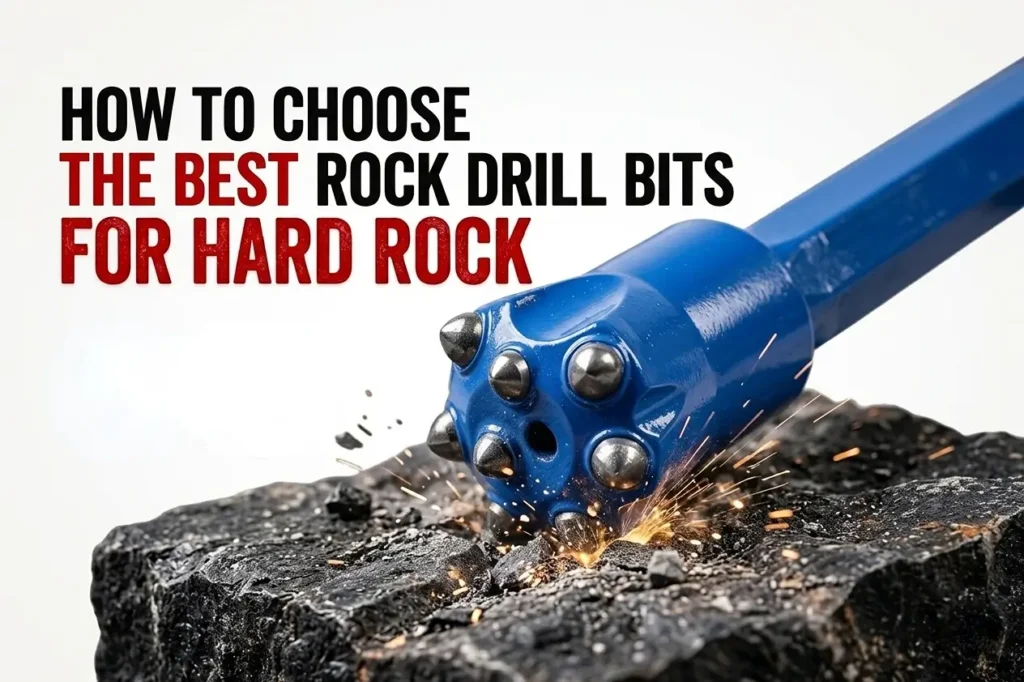
Hard rock drilling—especially in formations such as granite, basalt, and quartzite—places extreme demands on rock drilling tools. The combination of high compressive strength, strong abrasiveness, and intense impact loading means that standard drill bits often struggle to maintain performance. As a result, operators frequently encounter challenges such as slow penetration rates, rapid wear, and frequent bit replacement, all of which can significantly increase project costs and downtime.
In many drilling operations, these issues are not caused by equipment limitations alone, but by mismatches between the drill bit design and the actual working conditions. Selecting the wrong bit type, button shape, or material grade can quickly reduce efficiency and shorten service life, especially in demanding hard rock environments.
This guide is designed to help you make smarter decisions when choosing rock drill bits for hard rock drilling. Instead of focusing only on product categories, we approach the topic from a practical perspective—combining real-world applications, cost control considerations, and performance optimization strategies—to help you achieve higher drilling efficiency and better overall value.
What Makes Hard Rock Drilling So Challenging? #
Hard rock drilling is not just about “hardness”—it is a combination of multiple extreme conditions that directly affect drilling efficiency, tool life, and hole quality. Understanding these underlying challenges is essential for selecting the right drill bit and optimizing performance.
High Compressive Strength (High UCS) #
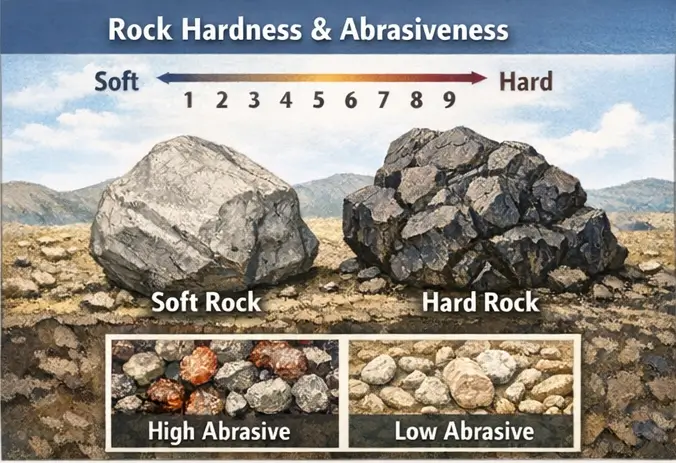
Hard rock formations such as granite and basalt typically have very high uniaxial compressive strength (UCS). This means drill bits must withstand intense impact energy to penetrate the rock. If the bit design or carbide strength is insufficient, penetration rates drop significantly, leading to low drilling efficiency and increased energy consumption.
High Abrasiveness #
In addition to strength, many hard rocks contain highly abrasive minerals like quartz. These particles continuously grind against the drill bit during operation, accelerating wear on both the carbide buttons and the steel body. Without proper wear resistance, drill bits can lose their cutting structure quickly, requiring frequent replacement.
Heat Build-up and Impact Fatigue #
Hard rock drilling generates substantial heat due to constant impact and friction. Over time, this leads to thermal stress and cyclic fatigue in the drill bit materials. Carbide buttons may crack, and the bit body can weaken, especially if cooling and flushing are not properly managed.
Hole Deviation and Stability Issues #
Maintaining straight and stable holes becomes more difficult in hard rock formations. Uneven rock structure or improper bit design can cause deviation, which affects drilling accuracy and downstream operations such as blasting or anchoring. Poor hole quality often results in rework, increasing overall project costs.
Matching Rock Drill Bit Types to Hard Rock Applications #
Choosing the right drill bit for hard rock is not just about the bit type itself—it’s about how well it matches your specific application scenario. Different industries and drilling tasks require different performance priorities, such as impact resistance, hole accuracy, or drilling depth. Below is a practical guide to selecting the most suitable drill bits based on real-world applications.
Mining (Underground & Surface) #

Recommended: Button Bits (primarily spherical buttons)
In mining operations, especially in hard rock environments, drill bits are exposed to continuous high-impact loads. Spherical button bits are widely preferred due to their superior durability and resistance to breakage.
Key Advantages:
- Excellent impact resistance under high-energy drilling
- Strong wear resistance in abrasive formations
- Longer service life, reducing downtime
Best suited for: production drilling, tunneling, and drifting in hard rock mines
Quarrying #
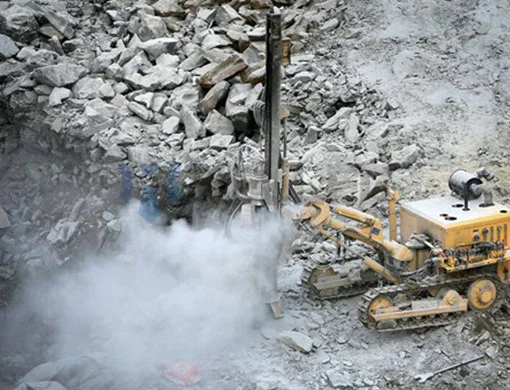
Recommended: DTH (Down-the-Hole) Drill Bits with high air pressure
Quarrying operations require both high efficiency and precise hole alignment for effective blasting. DTH drill bits perform exceptionally well in hard rock due to their direct impact mechanism.
Key Advantages:
- Superior hole straightness and accuracy
- High penetration rates in hard and dense rock
- Stable performance in deep and large-diameter holes
Best suited for: bench drilling, blast hole drilling in granite and basalt quarries
Construction & Foundation Drilling #

Recommended: Top Hammer Drill Bits
Construction projects often involve varying rock conditions and require flexible, adaptable drilling solutions. Top hammer drill bits are ideal for shallow to medium-depth holes in hard rock.
Key Advantages:
- High operational flexibility across different site conditions
- Faster setup and easier handling
- Suitable for a wide range of drilling rigs
Best suited for: anchoring, foundation piling, and urban construction projects
Deep Hole Drilling (Water Wells / Blasting) #
Recommended: DTH Drill Bits with high air pressure
For deep hole applications, maintaining hole straightness and consistent energy transfer is critical. DTH drill bits deliver impact energy directly to the bit, minimizing energy loss.
Key Advantages:
- Consistent performance at greater depths
- Reduced hole deviation
- Efficient debris removal with high-pressure air
Best suited for: water well drilling, geothermal drilling, and deep blasting holes
Key Takeaway #
There is no single “best” drill bit for all hard rock conditions—the optimal choice depends on your application, drilling depth, and performance priorities. By selecting drill bits based on real working scenarios rather than generic categories, you can significantly improve drilling efficiency, reduce wear, and lower overall operational costs.
Critical Design Elements That Impact Performance #
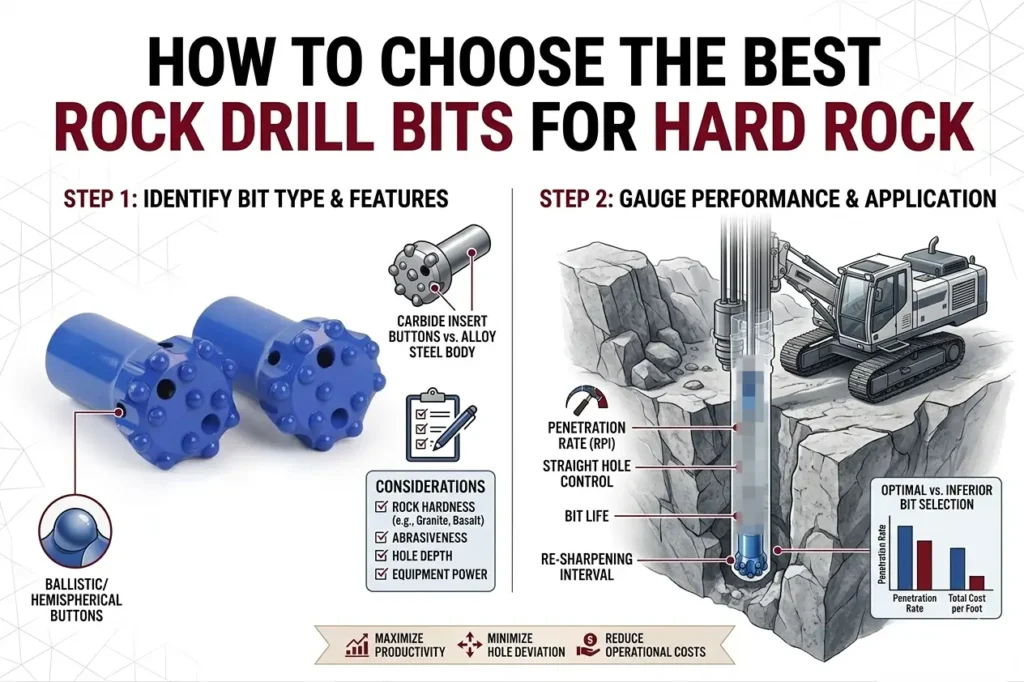
In hard rock drilling, performance is not determined by a single factor—it is the result of how well different design elements work together under extreme conditions. From button shape to flushing efficiency, each detail directly influences penetration rate, wear resistance, and overall drilling cost.
Button Shape Selection #
The shape of carbide buttons plays a critical role in how energy is transferred into the rock and how the bit resists wear and breakage.
| Button Shape | Key Feature | Best For |
|---|---|---|
| Spherical | Maximum strength and durability | Hard and highly abrasive rock |
| Ballistic | High penetration capability | Medium-hard and fractured rock |
| Conical | Balanced penetration and durability | Medium rock formations |
| Parabolic | Improved wear resistance with good penetration | Abrasive rock conditions |
How it impacts performance: #
- More aggressive shapes (ballistic, conical) increase penetration speed but are more prone to wear or breakage in hard rock
- Stronger shapes (spherical) sacrifice some speed for significantly longer service life
- The right choice depends on whether your priority is maximum speed or maximum durability
Carbide Quality & Grade #
The quality of tungsten carbide is one of the most important factors affecting drill bit lifespan in hard rock.
Key considerations:
- High-grade carbide improves resistance to cracking and premature failure
- Grain structure and binder composition determine toughness and wear resistance
- Poor-quality carbide often leads to button breakage or “button pop-out.”
Performance trade-off:
- Higher toughness (impact resistance) → reduces breakage in hard rock
- Higher hardness (wear resistance) → improves lifespan in abrasive formations
The best performance comes from a balanced carbide grade tailored to specific rock conditions.
Face Design Optimization #
The face design determines how the drill bit contacts the rock, affecting penetration efficiency, hole accuracy, and debris removal.
| Face Design | Ideal Rock UCS | Penetration Rate | Hole Straightness | Flushing Efficiency |
|---|---|---|---|---|
| Flat Face | Hard rock >180 MPa | Medium | Good | Medium |
| Convex Face | Medium–hard (120–200 MPa) | High | Medium | Medium |
| Concave Face | Medium–hard rock | Medium | Excellent | Medium |
How it impacts performance: #
- Flat face provides stability and durability in very hard rock
- Convex face increases drilling speed but may reduce hole accuracy
- Concave face improves hole straightness, ideal for precision drilling
Flushing System (Debris Removal Design) #
Efficient flushing is essential for maintaining drilling performance in hard rock.
Why it matters:
- Removes rock cuttings from the hole bottom
- Reduces regrinding, which accelerates wear
- Helps control temperature and prevent overheating
Impact on results:
- Poor flushing → faster wear, lower penetration rate, higher failure risk
- Optimized flushing → longer bit life, smoother drilling, better efficiency
Key Takeaway #
Drill bit performance in hard rock is driven by design synergy—button shape, carbide quality, face design, and flushing must all be matched to the application. Even a high-quality bit can underperform if one of these elements is not properly optimized.
How to Optimize Drilling Efficiency in Hard Rock #
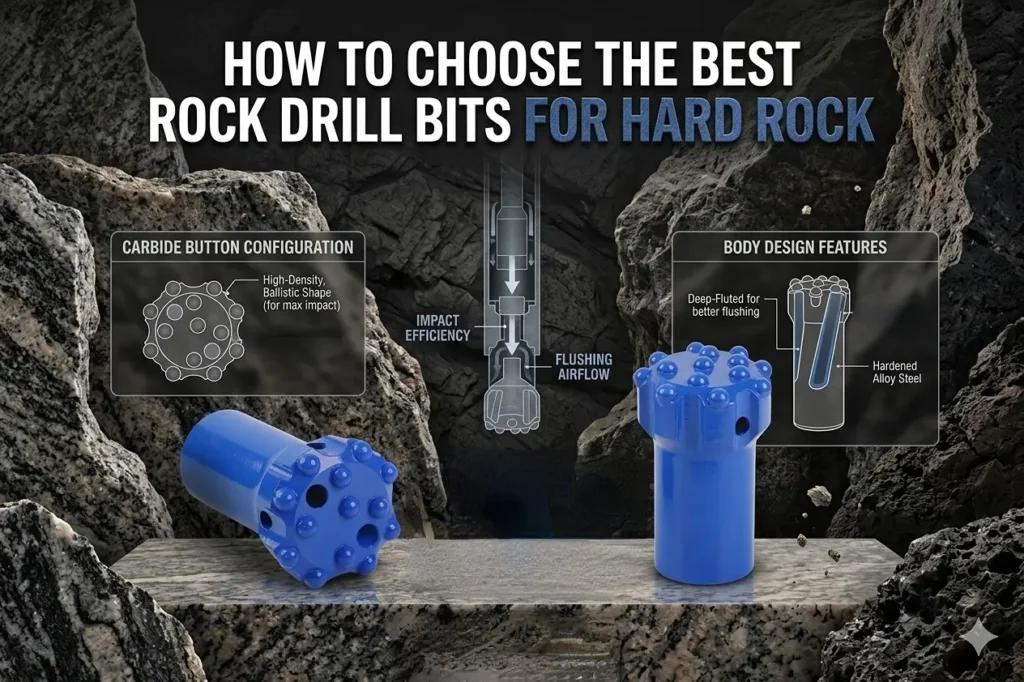
Improving drilling efficiency in hard rock is not only about using a high-quality drill bit—it is about optimizing the entire drilling system, including energy input, operational parameters, and downhole conditions. Small adjustments in field practice can significantly increase penetration rate and extend service life.
Proper Matching of Impact Energy (Impact Energy Control) #
One of the most critical factors in hard rock drilling is ensuring that the drill bit receives the correct impact energy from the drilling rig or hammer system.
Why it matters:
- Insufficient impact energy leads to slow penetration and ineffective rock breakage
- Excessive impact energy can cause carbide cracking or premature bit failure
Best practice:
- Match hammer size and air pressure with rock hardness (UCS level)
- Avoid “overdriving” small bits with oversized hammers
- Ensure stable energy transfer without fluctuation
Correct energy matching ensures maximum rock-breaking efficiency with minimum tool damage.
Optimize Rotation Speed and Feed Force (RPM & Feed Pressure) #
Drilling efficiency depends heavily on the balance between rotation and thrust.
Key principles:
- Too high RPM: increases wear without improving penetration
- Too low RPM: reduces cutting efficiency and causes uneven wear
- Insufficient feed force: leads to bit bouncing and energy loss
- Excessive feed force: accelerates carbide fatigue and breakage
Best practice:
- Adjust RPM based on rock hardness (harder rock = lower RPM)
- Maintain steady feed force to keep constant contact with the rock face
- Monitor drilling response and adjust in real time
Use High Air Pressure #
In hard rock formations, Down-the-Hole (DTH) drill bits with high-pressure air significantly improve drilling performance.
Why it matters:
- Direct energy transfer to the bit improves efficiency
- High-pressure air removes cuttings faster
- Reduces regrinding of debris at the hole bottom
Best practice:
- Use sufficient compressor capacity for deep or hard formations
- Maintain stable air pressure to avoid performance fluctuations
- Ensure proper sealing and airflow efficiency in the system
High-pressure air is especially critical for deep hole and large-diameter drilling.
Reduce Idle Impact and Bit Wear (Operational Control) #
Inefficient drilling often comes from poor operational control rather than tool failure.
Common issues:
- Drilling without proper rock contact
- Excessive re-drilling of the same material
- Poor hole cleaning leading to bit regrinding wear
Best practice:
- Ensure continuous and stable rock contact during drilling
- Avoid unnecessary pauses that cause energy loss cycles
- Maintain effective flushing to keep the hole bottom clean
Key Takeaway #
To drill faster in hard rock, efficiency must be improved at the system level—not just the drill bit. The best results come from the right combination of impact energy, rotation control, thrust optimization, and effective flushing. When these factors are properly balanced, drilling speed increases significantly while tool wear and operational costs are reduced.
Common Failures in Hard Rock Drilling & How to Avoid Them #
Even high-quality rock drill bits can experience failure in hard rock conditions if the working parameters or bit selection are not properly optimized. Understanding the root causes of common issues is essential for improving service life and reducing drilling costs.
Button Breakage (Carbide Loss / Button Fracture) #
Problem:
Carbide buttons crack, chip, or fall out during drilling.
Main Causes:
- Excessive impact energy (overpowered hammer for bit size)
- Incorrect button shape selection for rock type
- Drilling in highly fractured or uneven formations
- Poor-quality carbide material or improper heat treatment
How to Avoid It:
- Match hammer energy with bit specification and rock hardness
- Use spherical buttons for highly abrasive and hard rock conditions
- Avoid excessive feed pressure that causes overloading
- Choose high-grade tungsten carbide with good toughness
Excessive Wear (Rapid Abrasion Loss) #
Problem:
Fast reduction of button height and bit face wear, leading to reduced penetration efficiency.
Main Causes:
- Highly abrasive rock formations (quartz-rich formations)
- Improper flushing leading to regrinding of cuttings
- High rotation speed in hard rock
- Low wear-resistant carbide grade
How to Avoid It:
- Select wear-resistant carbide grades for abrasive rock
- Ensure an efficient flushing system to remove cuttings quickly
- Reduce RPM in highly abrasive conditions
- Optimize face design (e.g., concave or flat face for durability)
Bit Body Cracking (Steel Body Failure) #
Problem:
Cracks appear on the drill bit body, sometimes leading to complete failure.
Main Causes:
- Excessive impact energy or shock loading
- Thermal fatigue due to poor cooling/flushing
- Manufacturing defects or poor steel quality
- Drilling in highly fractured rock causes uneven stress distribution
How to Avoid It:
- Use properly matched drilling parameters (avoid over-energizing)
- Maintain effective cooling and flushing during drilling
- Select heat-treated, high-strength steel body bits
- Avoid prolonged drilling in unstable formations without adjustment
Hole Deviation (Loss of Drilling Accuracy) #
Problem:
Drilled holes deviate from the intended direction, affecting blasting or anchoring accuracy.
Main Causes:
- Improper face design selection
- Uneven rock structure or fractured zones
- Excessive feed force or unstable drilling conditions
- Worn-out or unbalanced drill bits
How to Avoid It:
- Use concave face bits for better hole straightness control
- Maintain stable feed pressure and avoid sudden load changes
- Replace worn bits before severe wear affects stability
- Use DTH drill bits for deeper and more accurate hole drilling
Key Takeaway #
Most drill bit failures in hard rock are not caused by a single factor, but by a combination of incorrect selection, improper drilling parameters, and poor flushing conditions. By understanding the root causes and applying the right corrective measures, operators can significantly improve bit life, reduce downtime, and enhance overall drilling efficiency.
Cost vs Performance: How to Choose the Most Economical Drill Bit #
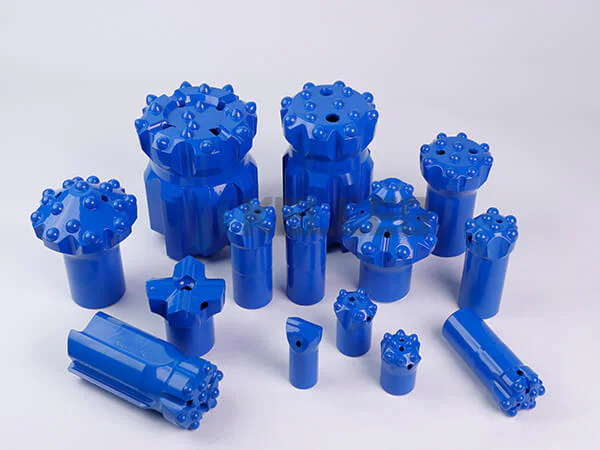
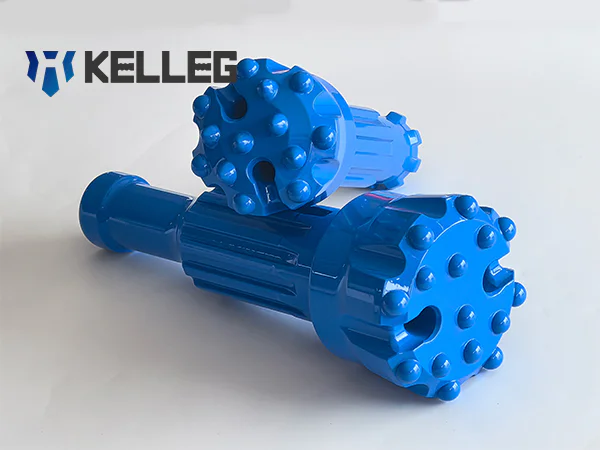
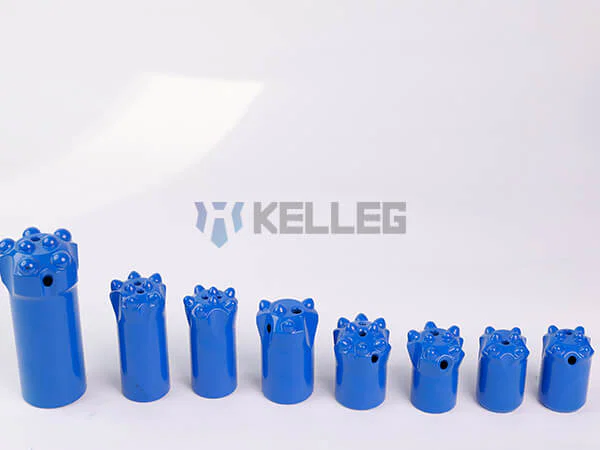
In hard rock drilling, the cheapest drill bit is rarely the most economical option. True cost efficiency is determined by how much drilling you achieve per unit cost, not the initial purchase price. For procurement teams and project managers, focusing only on upfront cost often leads to higher overall drilling expenses.
Low Price ≠ Low Cost #
A lower-priced drill bit may seem attractive at first, but it can quickly become more expensive in real operation.
Why cheap bits often cost more:
- Shorter service life leads to frequent replacements
- Lower penetration efficiency increases drilling time
- Higher risk of failure causes downtime and delays
- Inconsistent performance affects project scheduling
In hard rock drilling, operational downtime is far more expensive than the bit itself.
Cost per Meter (True Economic Indicator) #
The most reliable way to evaluate drill bit value is cost per meter drilled, not unit price.
Formula concept:
- Cost per meter = (Bit price ÷ Total meters drilled)
Why it matters:
- A high-quality bit may cost more initially, but drills significantly more meters
- A low-cost bit may fail early, increasing total cost per meter
This metric provides a realistic comparison across different brands and bit types.
Balancing Bit Life and Penetration Rate #
Economical performance depends on the balance between durability (life) and drilling speed (penetration rate).
Key trade-offs:
- High durability bits → longer life, lower replacement frequency, but sometimes slower penetration
- High penetration bits → faster drilling, but may wear out sooner
Best practice:
- For abrasive hard rock → prioritize durability (longer lifespan)
- For production drilling → balance speed and lifespan
- For deep hole drilling → optimize for stability and consistency
Total Drilling Efficiency Approach #
Instead of evaluating drill bits alone, consider the full drilling system:
- Bit service life
- Drilling speed (meters per hour)
- Downtime frequency
- Fuel/air consumption
- Labor and equipment utilization
The most economical bit is the one that delivers the lowest overall project cost, not just the lowest purchase price.
Key Takeaway #
The most cost-effective drill bit for hard rock drilling is not the cheapest one, but the one that delivers the best balance between lifespan, penetration rate, and operational stability. Evaluating performance using cost per meter drilled provides a far more accurate and practical basis for procurement decisions, especially in demanding mining, quarrying, and construction environments.
When to Use Top Hammer Drilling vs DTH Drilling in Hard Rock #
Selecting between Top Hammer and DTH (Down-the-Hole) drilling is one of the most important decisions in hard rock applications. Each method has distinct advantages depending on hole depth, rock conditions, and required drilling accuracy. Choosing the right system can significantly improve efficiency and reduce overall drilling cost.
Top Hammer Drilling #
Best suited for: Shallow to medium-depth holes in hard rock
Top hammer drilling transmits impact energy from the drill rig through the drill rods to the bit. This method is widely used for its flexibility and high productivity in shorter holes.
Key Advantages:
- High drilling speed in shallow applications
- Flexible and easy to operate in varied working conditions
- Cost-effective for short-hole drilling projects
- Suitable for a wide range of construction and mining tasks
Limitations in hard rock:
- Energy loss increases with hole depth
- Hole deviation becomes more noticeable in deeper drilling
- Less efficient for very hard or abrasive formations at depth
Ideal for: bench drilling, tunneling, anchoring, and shallow blasting holes
DTH (Down-the-Hole) Drilling #
Best suited for: Deep holes and high-precision drilling in hard rock
In DTH drilling, the hammer is located directly behind the drill bit, delivering impact energy at the bottom of the hole. This minimizes energy loss and improves performance in hard rock conditions.
Key Advantages:
- Excellent performance in hard and abrasive rock
- High penetration rate at greater depths
- Superior hole straightness and accuracy
- Efficient debris removal with high-pressure air
Limitations:
- Higher initial equipment cost
- Requires an air compressor
- Less efficient for very shallow drilling applications
Ideal for: water wells, deep blast holes, quarrying, and geothermal drilling
Quick Comparison Summary #
- Top Hammer drilling→ Best for shallow, flexible, high-mobility drilling
- DTH drilling→ Best for deep, straight, and hard rock drilling efficiency
How to Choose the Right Method #
When selecting between the two systems, consider:
- Hole depth (shallow vs deep)
- Rock hardness and abrasiveness
- Required hole straightness
- Project cost structure
- Equipment availability
In many hard rock projects, DTH drilling is preferred for deeper and more demanding conditions, while top hammer drilling remains the go-to solution for shallow and fast-moving operations.
Internal Reference #
For a deeper breakdown of drilling system differences, see:
Rock Drill Bit Types Explained: Top Hammer vs DTH vs Rotary – Pros, Cons & When to Use Each
Key Takeaway #
There is no universally “better” drilling method. The most efficient choice depends on depth, rock conditions, and project goals. Proper system selection ensures higher productivity, better hole quality, and lower overall drilling costs in hard rock environments.
Expert Tips for Selecting the Right Supplier #
Choosing the right drill bit supplier is just as important as selecting the product itself. In hard rock drilling, supplier capability directly impacts product performance, consistency, and long-term drilling cost efficiency. A qualified supplier should not only provide products, but also deliver technical support and application expertise.
Material Quality & Heat Treatment Capability #
A reliable supplier must have strong control over raw materials and heat treatment processes.
What to look for:
- Stable tungsten carbide quality and grading system
- Advanced heat treatment processes for bit body strength
- Strict quality control to ensure consistency between batches
Poor material control often leads to premature failure, such as button breakage or body cracking.
Application & Rock Condition Matching Support #
Professional suppliers should help customers select the right drill bit based on real working conditions.
Key capabilities:
- Ability to analyze rock hardness (UCS) and abrasiveness
- Recommendation of a suitable button shape and face design
- Optimization suggestions based on drilling method (Top Hammer / DTH)
This support is critical for improving efficiency and reducing trial-and-error costs.
Customization Capability #
Hard rock drilling conditions vary significantly from project to project, making customization an important advantage.
Customization options may include:
- Button layout design
- Face profile adjustment
- Carbide grade selection
- Bit diameter and thread compatibility
A flexible supplier can significantly improve performance in complex geological conditions.
Global Project Experience #
Experience in international projects is a strong indicator of reliability and engineering capability.
Why it matters:
- Proven performance in different rock formations worldwide
- Better understanding of mining, quarrying, and construction requirements
- Ability to support large-scale and long-term projects
Suppliers with global experience are more likely to provide stable and field-tested solutions.
Conclusion #
Hard rock drilling has no “universal drill bit”—only the best solution for specific working conditions. Successful selection depends on a combination of:
- Rock type and geological conditions
- Drilling method and equipment
- Cost and performance balance
To achieve optimal results, it is highly recommended to work with a professional supplier who can provide not only products but also technical guidance and application optimization.