
Introduction
In rock drilling operations, selecting the right rock drill bit is a critical factor that directly influences drilling performance, productivity, and overall project costs. A suitable drill bit must match not only the drilling method and equipment but also the specific rock conditions and working environment.
With various drilling applications, from mining and quarrying to tunneling and foundation engineering, choosing an unsuitable drill bit can result in reduced penetration efficiency, increased downtime, and unnecessary replacement costs. Therefore, understanding the key factors behind rock drill bit selection is essential for achieving stable and efficient drilling performance.
This guide explains how to choose the right rock drill bit based on drilling requirements, rock conditions, equipment compatibility, and operational considerations. It also provides practical tips to help you make a more informed decision and maximize drilling efficiency in different rock formations.
Types and Characteristics of Rock Drill Bits
Rock drill bits are designed for different drilling methods, rock conditions, and project requirements. The right bit selection depends on factors such as drilling equipment, hole diameter, rock formation, and operating environment.
Based on their working principles and drilling applications, rock drill bits are mainly categorized into Top Hammer Drill Bits, DTH Drill Bits, and Roller Cone Bits. Each type has unique advantages and is commonly used in different industries, including mining, quarrying, tunneling, and foundation engineering.
Top Hammer Rock Drill Bits
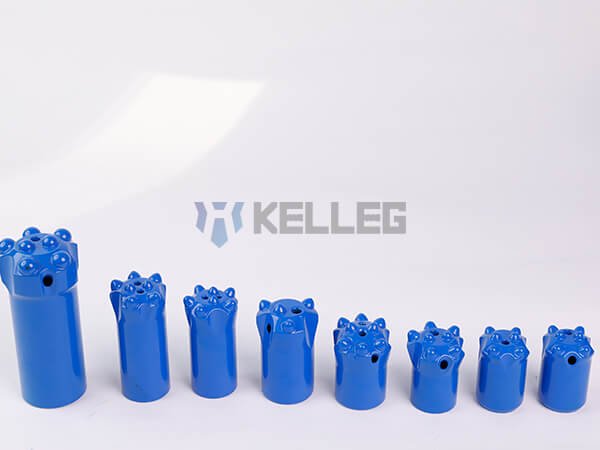

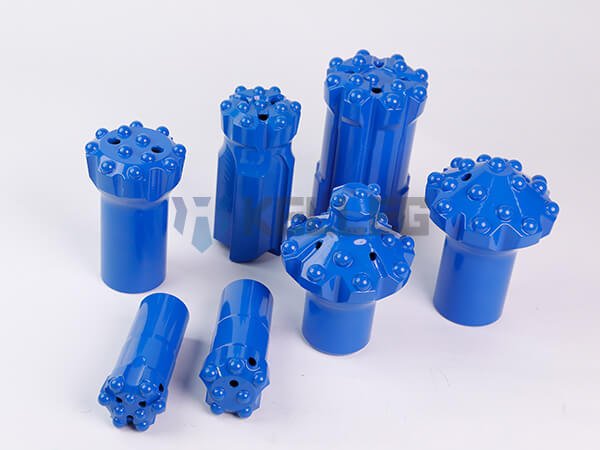
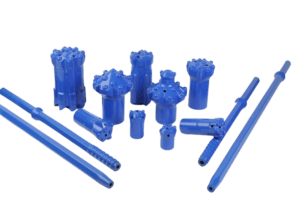
Top hammer drill bits are widely used in surface and underground drilling applications where impact energy is transferred from the rock drill through the drill rod to the bit. They are commonly selected for projects requiring fast drilling, high mobility, and good drilling control.
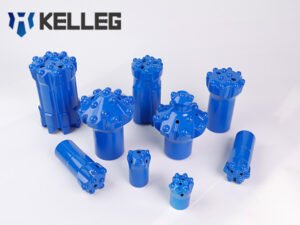
According to different drilling requirements, top hammer bits are available in various designs, including chisel bits, cross bits, X bits, and button bits.
- Chisel bits are known for their simple design and good adaptability, making them suitable for general drilling applications, especially in softer or less abrasive rock formations.
- Cross bits provide better stability when drilling fractured or jointed rock formations. Their design helps reduce the risk of bit deviation and sticking during drilling.
- X bits are commonly used in demanding drilling conditions where strong impact energy and wear resistance are required, especially in abrasive or fractured rock.
- Button bits use cemented carbide buttons to improve drilling performance and are widely applied in mining, quarrying, and tunneling due to their balance of drilling efficiency and durability.
The selection of a top hammer bit should be based on the drilling equipment, rock conditions, and required drilling performance rather than only the bit design itself.
DTH Drill Bits
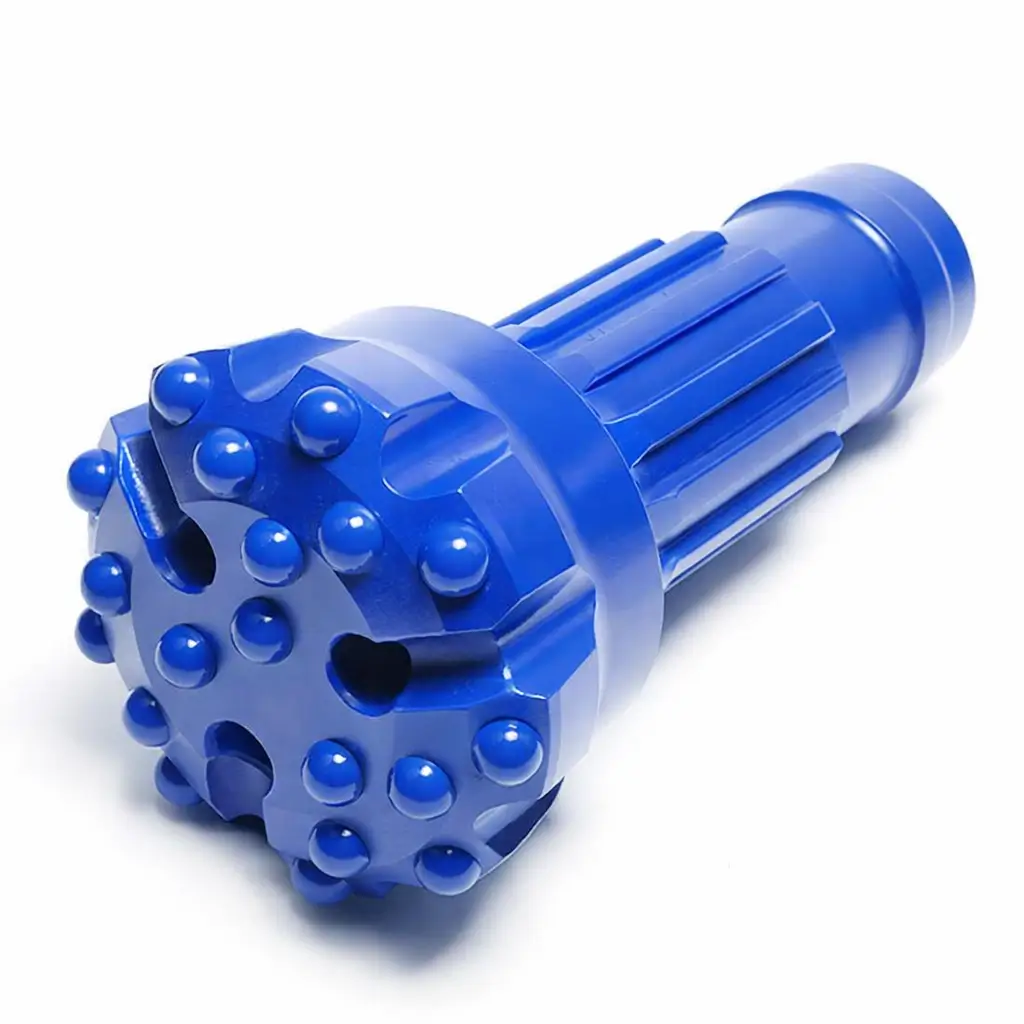
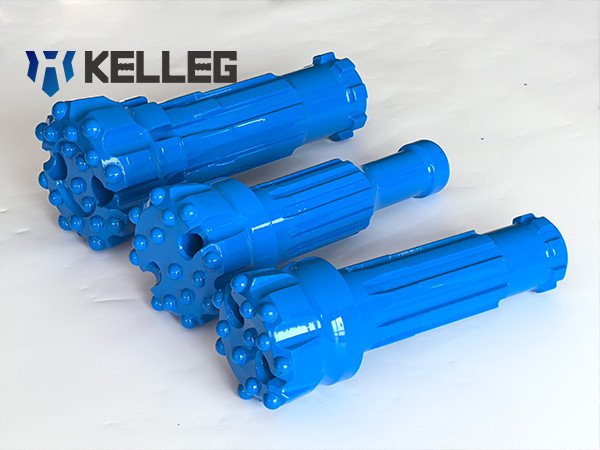
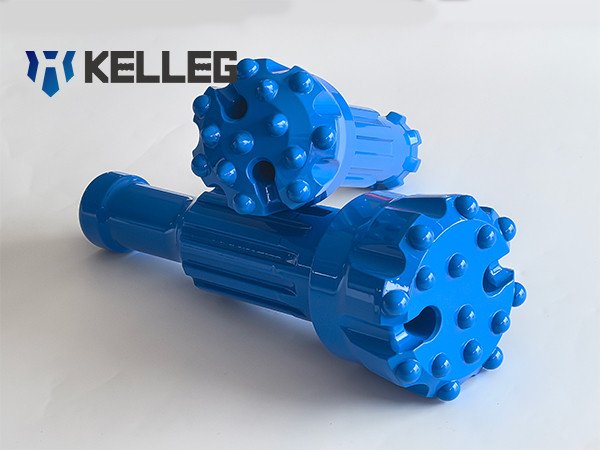
DTH (Down-The-Hole) drill bits work together with DTH hammers, where impact energy is delivered directly behind the bit to achieve efficient rock breaking. This drilling method is especially suitable for deeper holes and larger-diameter drilling applications.
DTH drill bits are commonly used in:
- Mining blasting operations
- Quarry drilling
- Water well drilling
- Foundation and construction projects
They are available for different air pressure systems and drilling conditions, allowing operators to select suitable bit designs according to rock hardness, hole depth, and equipment requirements.
Compared with conventional drilling methods, DTH drilling provides advantages in deep-hole accuracy, penetration efficiency, and performance in hard rock formations.
Roller Cone Bits

Roller cone bits use rotating cones equipped with cutting elements to crush and break rock. They are widely used in geological drilling, oil and gas exploration, mining, and water well projects.
Due to their ability to adapt to different geological formations, roller cone bits can be applied in various conditions ranging from softer formations to harder rock layers.
Compared with impact drilling tools, roller cone bits are typically selected for projects requiring large-diameter drilling, continuous rotary drilling, and adaptability to complex geological conditions.
Choosing the Right Rock Drill Bit Type
Although different rock drill bits have their own advantages, there is no single “best” drill bit for all drilling projects. The optimal choice depends on a combination of factors, including:
- Rock hardness and abrasiveness
- Drilling method and equipment compatibility
- Required hole diameter and depth
- Project efficiency requirements
- Operating conditions
Understanding the differences between drill bit types is the first step toward improving drilling performance. In the next section, we will discuss how to select the most suitable rock drill bit based on actual drilling requirements.
How to Choose the Right Rock Drill Bit?
Choosing the right rock drill bit is not simply about selecting a specific product type. The best choice depends on multiple factors, including rock conditions, drilling method, equipment compatibility, and project requirements.
A properly selected drill bit can improve drilling stability, increase penetration efficiency, reduce unnecessary downtime, and help control overall drilling costs. The following factors should be considered before making a decision.
Analyze Rock Conditions Before Selection
Rock properties are one of the most important factors when choosing a drill bit. Different formations vary significantly in hardness, abrasiveness, fracture conditions, and compressive strength, which directly affect drilling performance.
Before selecting a rock drill bit, it is important to evaluate:
- Rock hardness: Harder rock formations usually require drill bits with stronger impact resistance and suitable cutting designs.
- Abrasiveness: Highly abrasive rocks can accelerate wear, requiring better wear resistance and optimized bit designs.
- Fracture conditions: Jointed or fractured rock may require specific bit designs to improve drilling stability and reduce the risk of deviation or jamming.
Selecting a drill bit that matches the actual rock conditions helps achieve a better balance between drilling speed and service life.
Match the Drill Bit with Your Equipment and Drilling Method
A drill bit must be compatible with the drilling system being used. Even a high-performance bit may not achieve the expected results if it does not match the equipment or operating conditions.
Key factors to consider include:
- Drilling method (Top Hammer, DTH, or rotary drilling)
- Drill rig specifications
- Hole diameter and drilling depth
- Thread or connection type
- Operating parameters such as impact energy and flushing hole
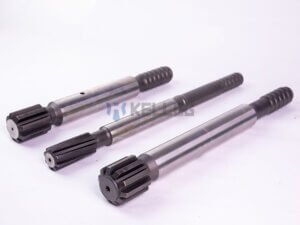
For example, top hammer drilling requires proper matching between the bit, drill rod, and rock drill, while DTH drilling requires compatibility between the bit and DTH hammer model.
Choosing the right combination of drilling tools ensures efficient energy transfer and stable drilling performance.
Balance Drilling Performance and Operating Cost
The fastest drilling speed does not always mean the lowest drilling cost. A suitable drill bit should provide a balance between penetration rate, service life, and replacement frequency.
When evaluating drill bit performance, consider:
- Drilling speed and productivity
- Bit consumption rate
- Replacement time and downtime
- Total cost per drilled meter
A high-quality drill bit may have a higher initial purchase cost, but its longer service life and stable performance can help reduce overall drilling expenses.
Select a Reliable Rock Drill Bit Supplier
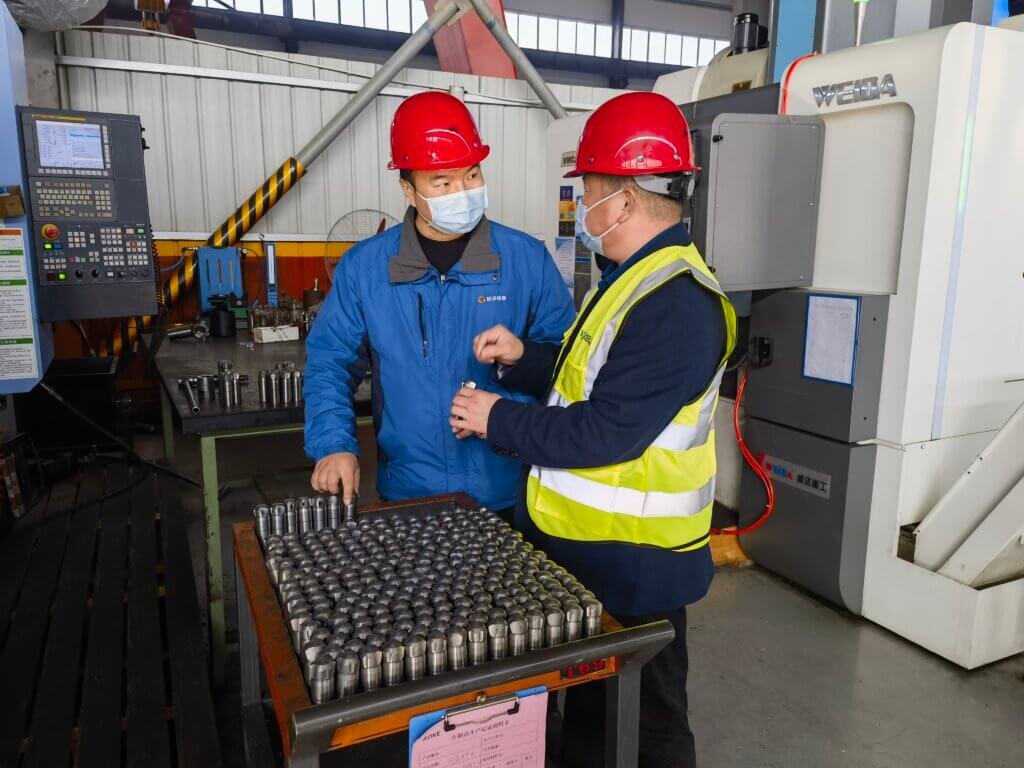
Choosing the right supplier is an important part of ensuring consistent drilling performance. Different manufacturers may vary in production technology, quality control standards, and technical support capabilities.
When evaluating a supplier, consider:
- Manufacturing experience and product expertise
- Quality control processes
- Ability to provide suitable recommendations for different drilling conditions
- Technical support and after-sales service
A reliable supplier does not only provide drill bits but also helps customers select suitable drilling solutions based on their applications and operating conditions.
By considering rock conditions, equipment compatibility, drilling performance, and supplier capability, customers can make more informed decisions and select rock drill bits that deliver better results for their projects.
Rock Drill Bit Selection Mistakes to Avoid
Choosing the right rock drill bit is essential for achieving stable drilling performance and controlling project costs. However, many drilling problems are caused not by the drill bit itself, but by incorrect selection decisions.
Before purchasing or replacing a rock drill bit, it is important to avoid the following common mistakes:
Choosing a Drill Bit Based Only on Price
Price is an important factor when purchasing rock drill bits, but it should not be the only consideration. Selecting the lowest-priced option without evaluating drilling conditions, performance requirements, and service life may result in higher long-term costs.
Low-cost drill bits may lead to:
- Faster wear and shorter service life
- Reduced drilling efficiency
- Increased replacement frequency
- More downtime during operations
A suitable drill bit should provide a balance between purchase cost, drilling performance, and overall cost per drilled meter.
Ignoring Actual Rock Conditions
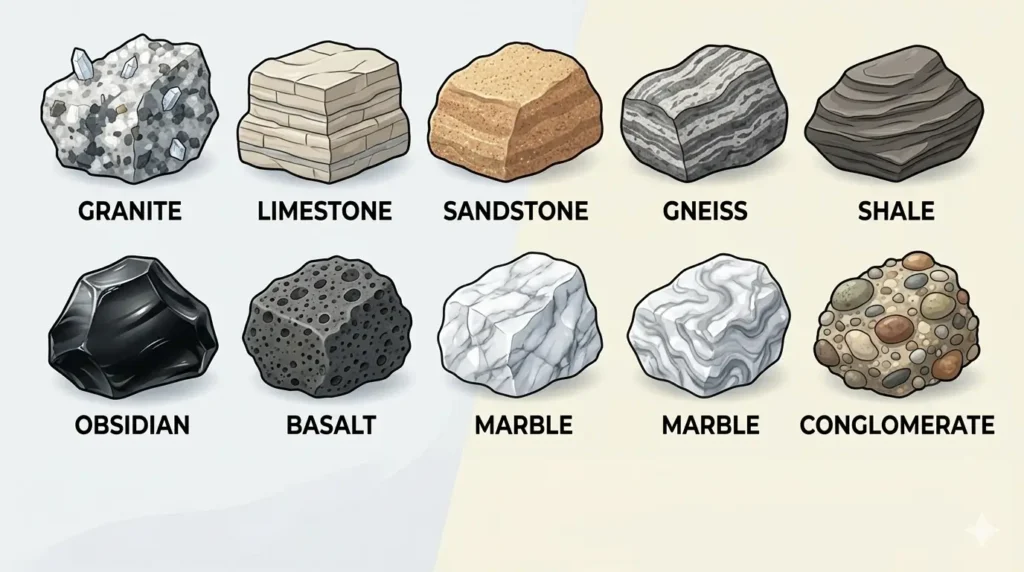
Different rock formations require different drilling solutions. Selecting a drill bit without considering the geological conditions of the project site can negatively affect drilling speed, stability, and tool consumption.
Important factors to evaluate include:
- Rock hardness
- Rock abrasiveness
- Fracture and joint conditions
- Drilling depth and hole requirements
A drill bit that performs well in one type of rock may not achieve the same results in another formation. Proper selection should always be based on the actual working environment.
Selecting a Drill Bit Without Considering Equipment Compatibility
A rock drill bit must work together with the complete drilling system to achieve the expected performance. Choosing a bit only based on its appearance, size, or general application may result in poor compatibility.
Before selection, consider:
- Drilling method (Top Hammer, DTH, or rotary drilling)
- Drill rig specifications
- Drill rod or hammer compatibility
- Thread and connection type
- Operating conditions
The correct match between the drill bit and drilling equipment helps improve energy transfer, drilling stability, and overall efficiency.
Focusing Only on Initial Performance Instead of Long-Term Results
Some buyers focus only on initial drilling speed while ignoring factors that affect overall drilling costs.
A high penetration rate does not always mean better performance. The ideal drill bit should provide a good balance between:
- Drilling speed
- Service life
- Replacement frequency
- Total drilling cost
Evaluating performance based on the cost per drilled meter provides a more accurate way to measure the value of a drill bit.
Choosing a Supplier Without Considering Technical Support
A reliable rock drill bit supplier provides more than just products. Professional technical support and application experience can help customers select suitable drilling tools and solve problems during operation.
When evaluating suppliers, consider:
- Product experience in different drilling applications
- Quality control capabilities
- Technical recommendation ability
- After-sales support
Working with an experienced supplier can help improve drilling efficiency and reduce unnecessary tool consumption.
Avoiding these common selection mistakes can help ensure that the chosen rock drill bit matches the project requirements and delivers consistent drilling performance. A successful selection process should consider rock conditions, equipment compatibility, drilling objectives, and long-term operating costs rather than focusing on a single factor.
For more detailed information about common purchasing mistakes and practical solutions, you can also read “7 Mistakes Buyers Make When Choosing Rock Drill Bits (And How to Avoid Them)”.
Rock Drill Bit Use and Maintenance
Selecting the right rock drill bit is only the first step toward achieving efficient drilling performance. Proper operation and regular maintenance are equally important for maintaining drilling efficiency, extending bit service life, and reducing unnecessary replacement costs.
By following correct operating practices, operators can help prevent premature wear, improve drilling stability, and ensure that the drill bit performs as expected under different working conditions.
Check the Drill Bit Before Use
Before starting drilling operations, the condition of the rock drill bit should be carefully inspected. Using a damaged or unsuitable drill bit may reduce drilling efficiency and increase the risk of equipment problems.
Before use, check:
- Condition of carbide buttons or cutting elements
- Damage or cracks on the bit body
- Thread or connection condition
- Flushing holes and cleaning passages
- Compatibility between the drill bit and drilling equipment
Any severely damaged or worn drill bit should be replaced in time to avoid affecting drilling performance or causing additional equipment wear.
Ensure Correct Installation
Proper installation is essential for stable drilling performance. A correctly installed drill bit ensures efficient energy transmission and reduces the risk of connection damage during operation.
During installation:
- Confirm that the drill bit matches the drill rod, hammer, or drilling system
- Keep connection parts clean before assembly
- Ensure the bit is properly tightened according to equipment requirements
- Avoid improper installation that may cause loosening, vibration, or premature wear
Correct installation helps improve drilling stability and prevents unnecessary downtime.
Optimize Drilling Operation Parameters
The performance of a rock drill bit is closely related to operating conditions. Excessive impact force, improper rotation speed, or insufficient flushing may accelerate wear and reduce drilling efficiency.
During drilling, operators should adjust parameters according to actual conditions, including:
- Impact pressure
- Rotation speed
- Feed force
- Flushing air or water supply
The drilling parameters should be optimized based on rock characteristics and equipment performance to achieve a balance between penetration rate and bit service life.
Perform Regular Inspection and Maintenance
Regular inspection helps identify potential problems before they affect drilling operations. Although rock drill bits are designed for demanding working environments, proper maintenance can help maintain consistent performance.
Routine maintenance includes:
- Cleaning the drill bit after operation
- Checking wear conditions regularly
- Monitoring changes in drilling performance
- Replacing severely worn components when necessary
Timely maintenance and replacement can help avoid reduced drilling efficiency, excessive energy consumption, and unexpected downtime.
Proper use and maintenance play an important role in maximizing the performance of rock drill bits. By conducting regular inspections, ensuring correct installation, optimizing drilling parameters, and replacing worn bits at the right time, operators can achieve more efficient and cost-effective drilling operations.
Conclusion
Choosing the right rock drill bit is an important factor in achieving efficient, stable, and cost-effective drilling operations. The ideal drill bit is not determined by a single factor, but by a combination of rock conditions, drilling method, equipment compatibility, and project requirements.
By understanding the differences between various rock drill bit types, evaluating actual drilling conditions, avoiding common selection mistakes, and following proper operating practices, operators can improve drilling performance and reduce unnecessary downtime and tool consumption.
However, selecting the right drill bit is only part of the solution. Working with an experienced drilling tool supplier can provide valuable technical support and help you choose the most suitable drilling solution for your specific application.
At Kelleg, we provide a wide range of rock drilling tools for mining, quarrying, tunneling, and construction applications, including top hammer drill bits, DTH drill bits, drill rods, and related drilling products. Our team can help you select the right tools based on your drilling conditions and project requirements.
If you need assistance choosing the right rock drill bit for your application, please feel free to contact us for professional recommendations.
Frequently Asked Questions About Rock Drill Bit Selection
What factors should I consider when choosing a rock drill bit?
The main factors include rock conditions, drilling method, equipment compatibility, hole requirements, and project objectives. A suitable drill bit should match the actual working environment to achieve better drilling performance.
Which rock drill bit is suitable for hard rock?
For hard rock formations, the suitable choice depends on the drilling method and equipment used. Generally, drill bits designed with appropriate impact resistance and wear performance are selected according to rock hardness, abrasiveness, and drilling conditions.
Can one rock drill bit be used for all rock types?
No. Different rock formations have different hardness, abrasiveness, and fracture characteristics. Using the same drill bit for all conditions may result in reduced drilling efficiency and increased wear.
How can I improve rock drilling efficiency?
Improving drilling efficiency requires selecting the correct drill bit, optimizing drilling parameters, ensuring proper equipment matching, and maintaining the drilling tools regularly.
Should I choose a drill bit based on price or performance?
Price should not be the only consideration. The best choice is a drill bit that provides the right balance between initial cost, drilling efficiency, service life, and total cost per drilled meter.