
How to Choose Top Hammer Rock Drilling Tools Compatible with Your Drilling Rig
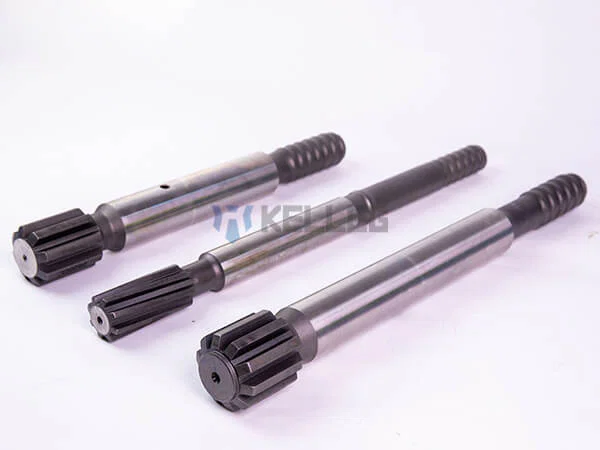
Top hammer rock drilling tools are essential components in mining, tunneling, and foundation engineering, directly impacting drilling efficiency and project costs. Choosing tools compatible with your drilling rig not only optimizes drilling speed but also extends equipment lifespan and reduces maintenance expenses. However, with diverse rig types and complex operational conditions, selecting the right tools can be challenging for many professionals. This article provides the key factors, tool types, and considerations for choosing top hammer drilling tools. Factors Influencing the Selection of Top Hammer Rock Drilling Tools Selecting the right top hammer rock drilling tools is critical for ensuring drilling efficiency, equipment longevity, and cost-effectiveness. The choice depends on several key factors that must be carefully evaluated to match the tools with the drilling rig and operational requirements. Proper selection not only enhances drilling performance but also minimizes equipment failures and maintenance costs, ensuring smooth project execution. Below are the primary factors influencing the selection process: Drilling Rig Parameters The technical specifications of the drilling rig play a pivotal role in determining the compatibility of the drilling tools. Understanding these parameters ensures that the selected tools can withstand the rig’s operational demands and perform optimally. Here are the critical rig parameters to consider: Connection Type: Top hammer drilling rigs typically employ specific thread connection types, such as R32. T38. T45. or T51. Matching the thread type of the drilling tool to the rig is essential to prevent connection failures, ensure secure fastening, and maintain operational efficiency. A mismatched connection can lead to excessive vibrations, energy loss, or even equipment damage, posing safety risks and reducing productivity. Impact Power: The impact power of the rig, measured in kilowatts or joules, dictates the tool’s ability to endure repetitive impact forces. Excessive power can cause premature wear or fracturing of the tool, while insufficient power may result in ineffective rock breaking, slowing down the drilling process. Selecting tools that match the rig’s impact power is crucial for maintaining durability and achieving efficient rock penetration. Rotational Speed: Rotational speed, measured in revolutions per minute (RPM), affects the cutting efficiency and wear rate of the drilling tools. High-speed rotation demands tools made from highly wear-resistant materials, such as premium-grade carbide, to withstand abrasion and maintain performance. Conversely, low-speed rotation requires tools that can handle higher impact forces to achieve effective rock penetration. Proper matching of rotational speed enhances tool lifespan and drilling efficiency. Power System: The power system of the rig—whether hydraulic or pneumatic—significantly influences. Hydraulic rigs, which typically deliver higher impact frequencies, require robust tools capable of withstanding intense and rapid forces. Pneumatic systems, on the other hand, may prioritize lighter tools optimized for energy efficiency, reducing operational costs. The power system directly impacts the design and material requirements of the tools. Geological and Operational Conditions Geological and operational conditions are crucial when selecting drilling tools, as they directly impact drilling performance, tool durability, and overall project success. These conditions vary widely across sites, requiring careful assessment to ensure optimal tool selection. Below is a detailed analysis of key conditions: Rock Hardness: The hardness of the rock, measured by the Mohs scale or compressive strength (MPa), determines the material and design of the drilling tool. Hard rocks like granite or basalt require bits with carbide inserts for superior wear resistance and effective breaking. Softer rocks, such as limestone or sandstone, can be drilled with standard bits, which are less costly but still effective, offering a balance between performance and cost. Drilling Depth: Deep-hole drilling requires longer rods and more durable bits to ensure stability and reduce replacement frequency. Long rods must have sufficient rigidity and torsional strength to prevent bending or breaking during deep-hole drilling, ensuring consistent performance in challenging conditions. Drilling Diameter: The drilling diameter determines the bit size. Larger diameters require stronger tools to handle greater cutting forces and wear, ensuring precision and stability. Selecting the appropriate bit size optimizes drilling efficiency, reduces wear, and extends tool lifespan. Operational Environment: Environmental conditions, such as high temperatures, humidity, or corrosive settings, significantly affect material selection. For instance, in high-humidity or saline mining environments, tools with anti-corrosion coatings are recommended to prevent material degradation and extend service life. Harsh environments require tools with enhanced resistance to corrosion and heat. Brand and Quality Brand and quality are critical when selecting drilling tools. Brands like Kelleg typically offer reliable products tested for performance and durability. This brand uses advanced materials and manufacturing processes to ensure stable performance under demanding conditions. However, high quality often comes with a higher cost, requiring a balance with budget considerations. Choosing trusted brands reduces the risk of equipment failure but necessitates evaluating cost-effectiveness. Cost Cost is a significant factor in tool selection. High-quality tools are typically more expensive but may reduce overall costs due to their durability and efficiency, minimizing downtime and replacement frequency. Conversely, low-cost tools may save money initially but could lead to higher maintenance costs due to frequent replacements or subpar performance. Balancing initial investment with long-term benefits is essential for selecting the most cost-effective tool solution. Types of Top Hammer Rock Drilling Tools Top hammer rock drilling tools primarily include rods and bits, each with various designs to meet different drilling needs. Below are the main types and their applications: Drill Rods Drill rods connect the rig to the bit, transferring impact and rotational forces. Different types of rods are suited for various drilling tasks, ensuring compatibility and efficiency: Tapered Rods: Tapered rods are typically used with small or lightweight rigs, particularly in shallow-hole drilling. The rod is a hexagonal hollow shaft with a shank structure that connects to drilling equipment. The head of the rod is tapered to connect with tapered bits, making them ideal for quick changes and small-scale drilling tasks, often in soft or medium-hard rocks. Their ease of installation and removal makes them suitable for projects requiring frequent bit changes. Extension Rods: Extension rods are used to extend drilling depth, ideal for deep-hole drilling or scenarios requiring multiple rod connections. They offer